
What happens when a member of Congress demands the Epstein files—and says his own leadership is running out the clock?
Watch Thomas Massie above explain why he believes Speaker Mike Johnson shortened the House calendar to delay an Epstein vote.
In my earlier investigation, I covered Massie’s decision to read names on the House floor and his push to force a vote on the Epstein Files Transparency Act II.
Naming people is not a finding of guilt. It is a demand for investigation—and for access to the records needed to establish responsibility.
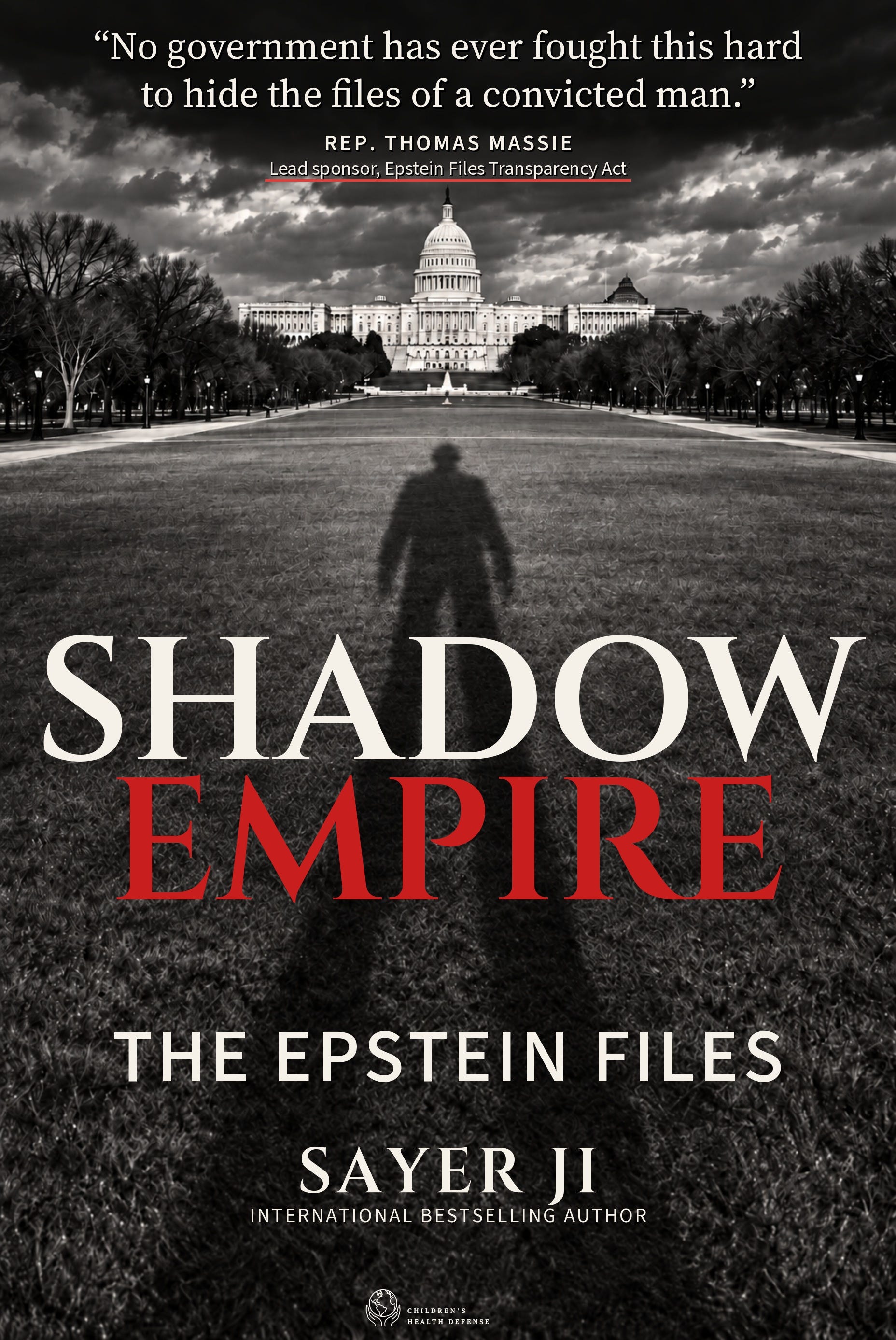
That is where this fight connects to Shadow Empire: The Epstein Files.
The documents already released demand more than a list of famous names. They demand an explanation of how the relationships worked: who proposed the projects, arranged the money, opened the doors, and made Epstein useful.
My book follows that record across banking, philanthropy, science, and state power. Its central argument is that power increasingly operates through networks that cross national borders—and that understanding Epstein means examining the machinery around him.
Massie is pressing for what remains concealed. Shadow Empire examines what the disclosed documents allow us to see.
Making records public is only the beginning. Making power visible is the work.
Watch the announcement of Shadow Empire.