


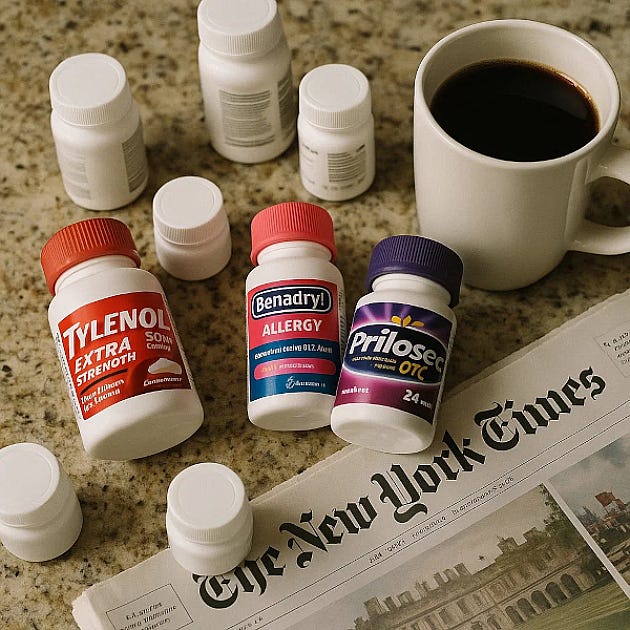
Part 2 of our series. Part 1 can be found here. Ten more head-to-head clinical trials — pulled from the GreenMedInfo archive — in which ginger, St. John’s wort, garlic, saffron, valerian and a handful of other simple remedies matched or outperformed an antibiotic, Prozac, Aricept, Ritalin, a beta-blocker and a benzodiazepine. Each one links to the full research write-up.


In Part 1, honey beat a steroid fourteen-fold for chronic cough, turmeric stopped prediabetes in 100% of trial participants, and saffron ran even with Prozac. The response told us something: people are hungry for the studies nobody puts in a press release.
So for Part 2, we went back into the archive — 455,000 studies, hand-mapped since 2008 — and pulled ten more. This time we went after the drugs people take every day: the antibiotic for recurrent UTIs, the beta-blocker for blood pressure, the Alzheimer’s blockbuster, the stimulant given to millions of children, the benzodiazepine for sleep, and the antidepressants tens of millions of people take every morning.
Same rules as Part 1. Every study is a human trial. Every one is indexed in our database. Every one links to the long-form article or abstract so you can check the work yourself.
And the same caveat: this is research information, not medical advice. Some of these trials are large and well designed — the St. John’s wort meta-analysis covers 27 trials and 3,808 patients; the mindfulness trial ran in The Lancet. Others are smaller or single studies. I’ve given you the design and the numbers for each so you can weigh them. Never stop a prescribed medication without your practitioner.
1. Ginger vs. Dramamine — Motion Sickness
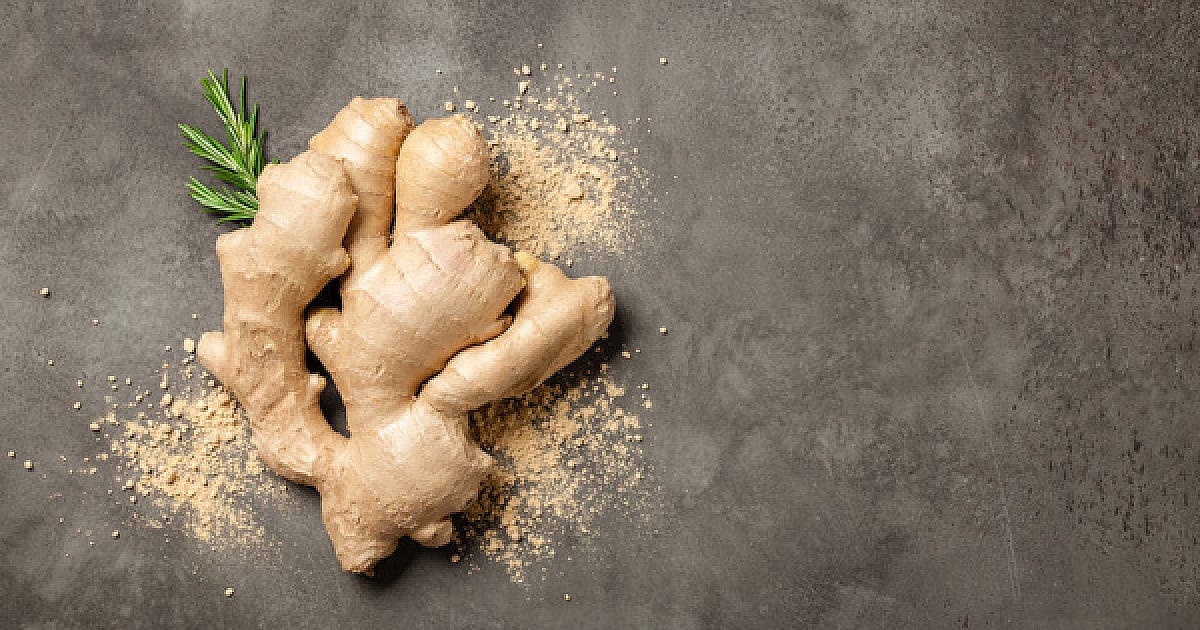
The trial: Randomized, double-blind comparison of a ginger preparation (Zintona) against dimenhydrinate — the active drug in Dramamine. European Phytotherapy, 1999.
The result: Everyone taking ginger had good results. Only 31% of those taking Dramamine did. And while the ginger group reported no side effects, 69% of the Dramamine group suffered them — the drowsiness, dry mouth and fog the drug is famous for.
It isn’t a one-off. On a Norwegian whale-watching voyage — seas that typically leave 80% of passengers sick — a 1994 double-blind study in the Journal of Travel Medicine found passengers given ginger did as well as those given any of six common seasickness medications. Over 80% felt fine.
→ Read the full article: Natural Remedies Found Superior to Drugs for Motion Sickness · Eight Unexpected Health Benefits of Ginger
2. D-Mannose vs. Nitrofurantoin — Recurrent Urinary Tract Infections

The trial: 308 women with recurrent UTIs, randomized after initial antibiotic treatment into three groups for six months: 2 grams of D-mannose powder (a simple sugar found in cranberries and other fruit) dissolved in water daily, 50 mg of the antibiotic nitrofurantoin daily, or no prevention at all. World Journal of Urology, 2014.
The result:
No prevention: 60.8% had another infection.
Nitrofurantoin (antibiotic): 20.4%.
D-mannose (sugar powder): 14.6%.
A spoonful of a fruit sugar outperformed a daily antibiotic — without feeding antibiotic resistance, disrupting gut flora, or carrying the lung and liver warnings on nitrofurantoin’s label. Cranberry extract, separately, has been shown as effective as the antibiotic trimethoprim for preventing recurrent UTIs in older women.
→ Read the study: D-mannose powder significantly reduced the risk of recurrent UTI · The Amazing Healing Properties of 13 Common Fruits
3. St. John’s Wort vs. Prozac — Major Depression

The trial: Randomized, double-blind, 12 weeks: 900 mg/day of St. John’s wort extract versus 20 mg/day of fluoxetine (Prozac) in major depressive disorder. Journal of Clinical Psychopharmacology, 2005.
The result: St. John’s wort was significantly more effective than Prozac. End-point depression scores (HAMD-17) were 10.2 on the herb versus 13.3 on the drug.
The bigger picture: A 2017 meta-analysis in the Journal of Affective Disorders pooled 27 clinical trials and 3,808 patients comparing St. John’s wort against SSRIs. Response and remission rates were statistically equivalent. But patients on the herb were significantly less likely to drop out — the pooled odds of discontinuation were about 40% lower — which in antidepressant research is usually a proxy for side effects people can’t tolerate.
One honest note: St. John’s wort interacts with many medications, including birth control and blood thinners. It is gentle, not inert.
→ Read the study: St. John’s wort significantly more effective than fluoxetine · 27-trial meta-analysis · 23 Natural Alternatives for Depression
4. Garlic vs. Atenolol — High Blood Pressure
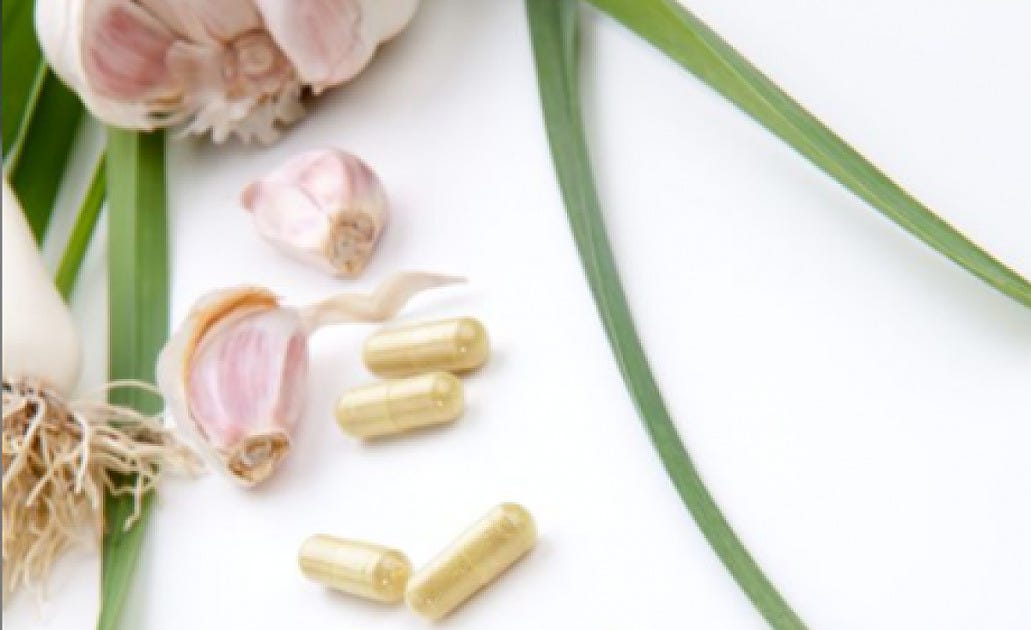
The trial: 210 patients with stage 1 hypertension split into seven groups of 30: five different daily doses of garlic tablets (300 mg up to 1,500 mg), the beta-blocker atenolol, or placebo. Blood pressure was measured at 0, 12 and 24 weeks. Pakistan Journal of Pharmaceutical Sciences, 2013.
The result: Every single garlic group — down to the lowest 300 mg dose — produced a significantly greater drop in both systolic and diastolic pressure than atenolol (p < 0.005). The effect grew with dose and with time.
Atenolol is one of the most prescribed blood-pressure drugs in the world, and it comes with fatigue, cold hands and feet, and sexual side effects. Garlic comes with garlic breath.
→ Read the full article: Garlic Compares Favorably to a Best-Selling Blood Pressure Drug · Study abstract
5. Ginkgo vs. Aricept — Alzheimer’s Disease
The trial: Randomized, double-blind, 22 weeks, 96 outpatients with Alzheimer’s. Three arms: 240 mg/day of standardized ginkgo extract (EGb 761), the $4-billion-a-year blockbuster donepezil (Aricept) at up to 10 mg/day, or both combined. Aging & Mental Health, 2009.
The result: Improvements in cognition and response rates were similar across all three groups — ginkgo did what Aricept did. But adverse events were lower with ginkgo than with the drug.
A separate 24-week, double-blind, placebo-controlled trial in the European Journal of Neurology (2006) reached the same conclusion: “no evidence of relevant differences in the efficacy” of ginkgo and donepezil. Donepezil, it’s worth knowing, is a cholinesterase inhibitor — the same mechanistic class as certain pesticides and nerve agents.
→ Read the full article: Declaring Chemical Warfare on the Brain — Alzheimer’s Drugs Are Neurotoxicants · Study summary
6. Saffron vs. Ritalin — ADHD in Children
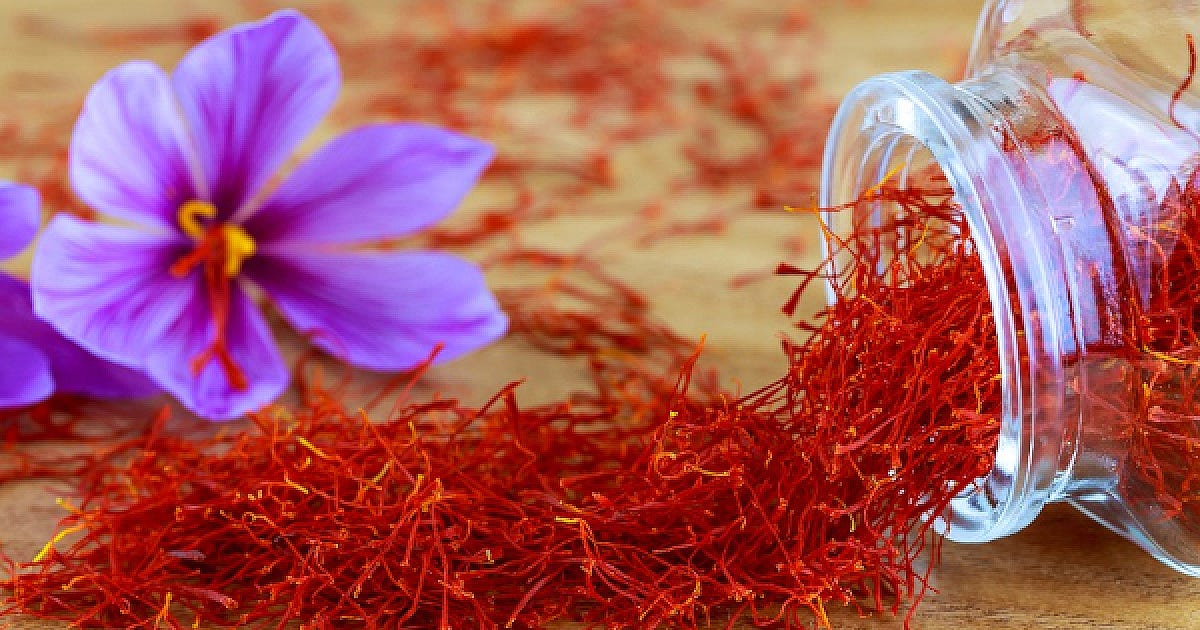
The trial: Randomized, double-blind, six weeks: children with ADHD received 20–30 mg/day of saffron or 20–30 mg/day of methylphenidate (Ritalin), dosed by weight. Journal of Child and Adolescent Psychopharmacology, 2019.
The result: Both worked equally well. Saffron was as effective as Ritalin for ADHD symptoms.
A 2022 study in Nutrients followed children and adolescents aged 7–17 for three months on 30 mg of evening saffron versus extended-release methylphenidate. Efficacy on core symptoms and executive function was comparable, saffron tended to do better on hyperactivity — and parents in the saffron group reported their kids falling asleep faster, the opposite of the insomnia stimulants are known for.
Millions of children are on a Schedule II controlled substance. A spice deserves at least a seat at the table.
→ Read the full article: Ancient Spice Saffron Works as Well as Ritalin for ADHD
7. Melatonin vs. Amitriptyline — Migraine Prevention
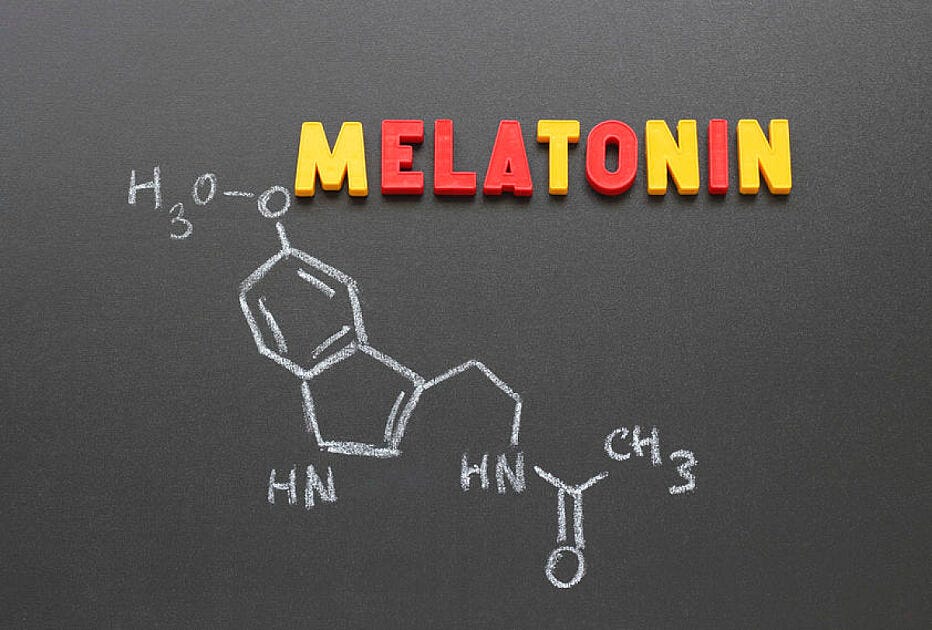
The trial: Randomized, double-blind, placebo-controlled; 196 adults with 2–8 migraines a month. 3 mg of melatonin versus 25 mg of amitriptyline (a tricyclic antidepressant widely used for migraine prevention) versus placebo, for three months. Journal of Neurology, Neurosurgery & Psychiatry, 2016.
The result: Monthly migraine days fell by 2.7 on melatonin, 2.2 on amitriptyline and 1.1 on placebo. Melatonin was superior to the drug in the share of patients who cut their migraine frequency by more than half — and it was as well-tolerated as placebo.
The side-effect gap was visible on the scale: melatonin patients lost weight. Amitriptyline patients gained significantly. A molecule your own brain makes every night beat a drug that sedates, dries you out and adds pounds.
→ Read the full article: Melatonin Superior to Toxic Drug in Migraine Prevention Study
8. Hibiscus vs. Captopril — Hypertension
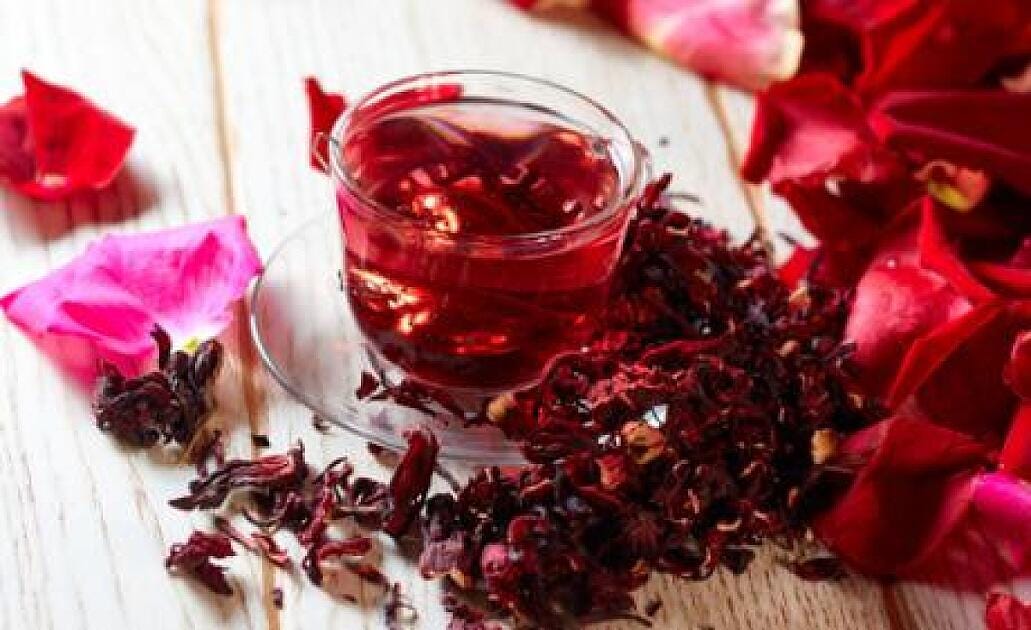
The trial: Phase II, randomized, double-blind, 134 patients with grade 1 hypertension, eight weeks. A standardized hibiscus and olive-leaf preparation at two doses versus 25 mg of the ACE-inhibitor captopril, twice daily. Phytotherapy Research, 2020.
The result: No significant difference in systolic or diastolic blood-pressure reduction between either herbal dose and captopril. The flowers did the drug’s job.
A meta-analysis of five studies and 390 participants found hibiscus lowered systolic pressure by nearly 8 mmHg and diastolic by 4 — in the range of a first-line medication. It’s the tart red tea sold in every Mexican market as agua de jamaica.
→ Read the full article: 6 Medicinal Properties of Hibiscus · Captopril trial abstract
9. Valerian vs. Oxazepam (a Benzodiazepine) — Insomnia
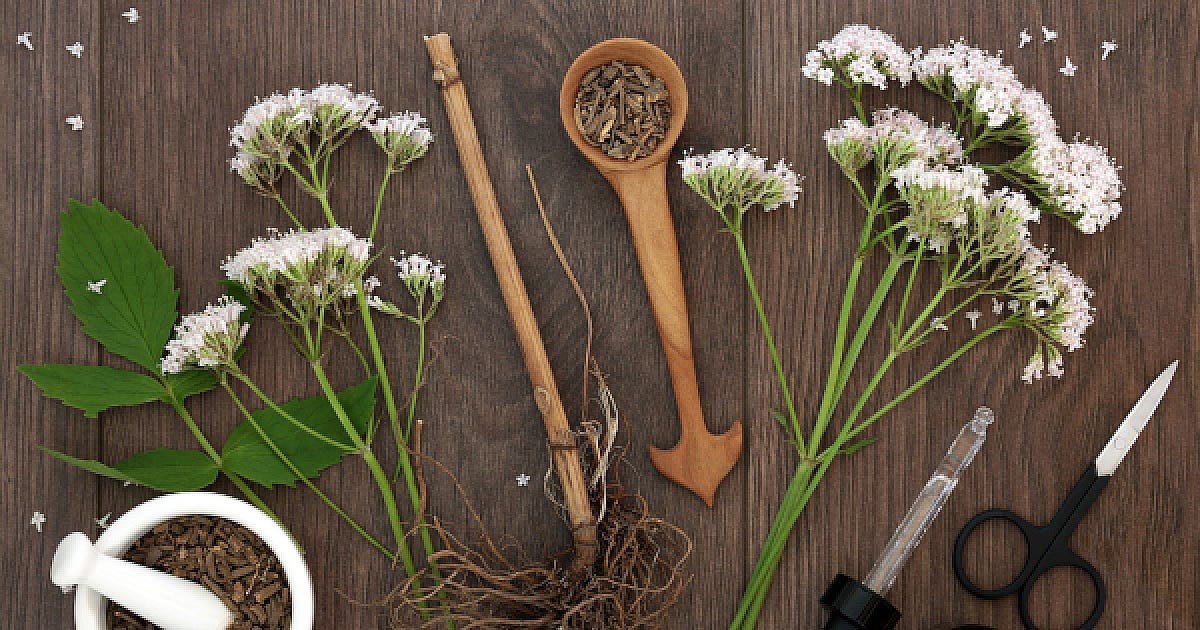
The trial: Randomized, double-blind, multicenter, 202 adults with insomnia, six weeks. 600 mg/day of valerian root extract versus 10 mg/day of oxazepam, a benzodiazepine in the same family as Valium and Xanax. European Journal of Medical Research, 2002.
The result: Valerian was at least as effective as the benzodiazepine for sleep quality. 82.8% of valerian patients rated their treatment “very good,” versus 73.4% on oxazepam. Adverse events: 28.4% on valerian, 36.0% on the drug.
Benzodiazepines carry an FDA boxed warning for dependence, withdrawal and abuse, and raise the risk of falls in older adults. Valerian root has been used for sleep since Hippocrates described it.
→ Read the full article: Top 6 Uses for Valerian · Study abstract
10. Mindfulness vs. Antidepressants — Preventing Depression Relapse
The trial: 424 patients with three or more past episodes of major depression, randomized and followed for two years. One group stayed on maintenance antidepressants. The other tapered off their medication while learning mindfulness-based cognitive therapy — eight group sessions plus home practice. The Lancet, 2015.
The result: At two years, relapse was 44% in the mindfulness group and 47% in the drug group. The researchers did not claim mindfulness was better — the difference wasn’t statistically significant — but that is exactly the point: people who came off their antidepressants and learned a practice did just as well as people who stayed on them, at no extra cost.
No pill, no weight gain, no sexual side effects, no withdrawal. Just training the mind you already have.
→ Read the full article: Mindfulness Therapy Better Than Antidepressants
Also in the Archive
EPA omega-3 vs. Prozac: The omega-3 fatty acid EPA was as effective as fluoxetine for major depressive disorder (Australian & New Zealand Journal of Psychiatry, 2008).
L-tryptophan vs. imipramine: The amino acid was as effective as the tricyclic antidepressant.
Cranberry vs. trimethoprim: Cranberry extract matched the antibiotic for preventing recurrent UTIs in older women — without raising the risk of resistance or fungal infection.
→ Browse: 23 Natural Alternatives for Depression
Two Parts, Twenty Studies. Still Nobody’s Holding a Press Conference.
Across Parts 1 and 2, we’ve now shown you twenty peer-reviewed, head-to-head trials in which a food, an herb, a nutrient or a practice matched or beat a pharmaceutical — for cough, diabetes, depression, arthritis, flu, ulcers, motion sickness, UTIs, blood pressure, Alzheimer’s, ADHD, migraine and insomnia.
None of it is secret. All of it is sitting in the National Library of Medicine. It’s just buried under tens of millions of papers — and since 2021, PubMed no longer even lets you filter for complementary and alternative medicine.
That’s why GreenMedInfo exists: 455,000 studies, hand-mapped to the substances, conditions and mechanisms people actually search for, free to use. In 2020 they tried to take it away. It’s still here. It’s still yours.
Share this with one person who’s on one of these drugs. Then search the archive for your own condition — and bring what you find to your next appointment.
Help us grow our project to encompass the totality of the world’s literature supporting natural and integrative health approaches by becoming a member of GreenMedInfo here.

This article is for research and informational purposes only and is not medical advice, diagnosis or treatment. Several trials cited are small or unreplicated. Do not stop or change any prescribed medication — especially antidepressants, blood-pressure drugs or benzodiazepines, which can cause dangerous withdrawal — without the guidance of a qualified practitioner. St. John’s wort interacts with many medications.
Thank you for sharing these! Grateful for your work.