

Hippocrates never said “Let food be thy medicine and medicine be thy food.”
Scholars who have combed the entire Hippocratic corpus report that the famous line appears nowhere in it — it’s a modern paraphrase retrofitted onto an ancient name. But here is the part that should stop you: what the corpus actually contains is far more radical than the misquote. Hundreds of dietary prescriptions. Barley gruels calibrated to fevers. Honeys, vinegars, wines, and herbs dosed like pharmaceuticals. For the father of Western medicine, food wasn’t a metaphor for medicine. It was the practice of it.
Twenty-five centuries later, we have inverted his entire project.
A widely cited survey published in Academic Medicine (Adams et al., 2010) found that the average U.S. medical student receives roughly 19.6 hours of nutrition education — across four years of training. Most schools failed to meet even the National Academy of Sciences’ modest 25-hour minimum. Four years to learn the human body. Twenty hours on the substance that builds, fuels, and informs it three times a day for a lifetime.
Call that an oversight if you like. But the revealed preference of a pharmaceutical-centered curriculum looks remarkably like a design choice: a system that profits from managing disease has little incentive to teach the tools that prevent it — tools that grow in soil, cost pennies, and cannot be patented.
Which is why, when something comes along that restores this stolen inheritance — beautifully, rigorously, and freely — I make a point of putting it in front of you. And best of all, the series is produced by my good friend Nick Polizzi, an incredible human, whose amazing body of work you should all know about!
Nine Episodes. Nine Body Systems. Zero Dollars.
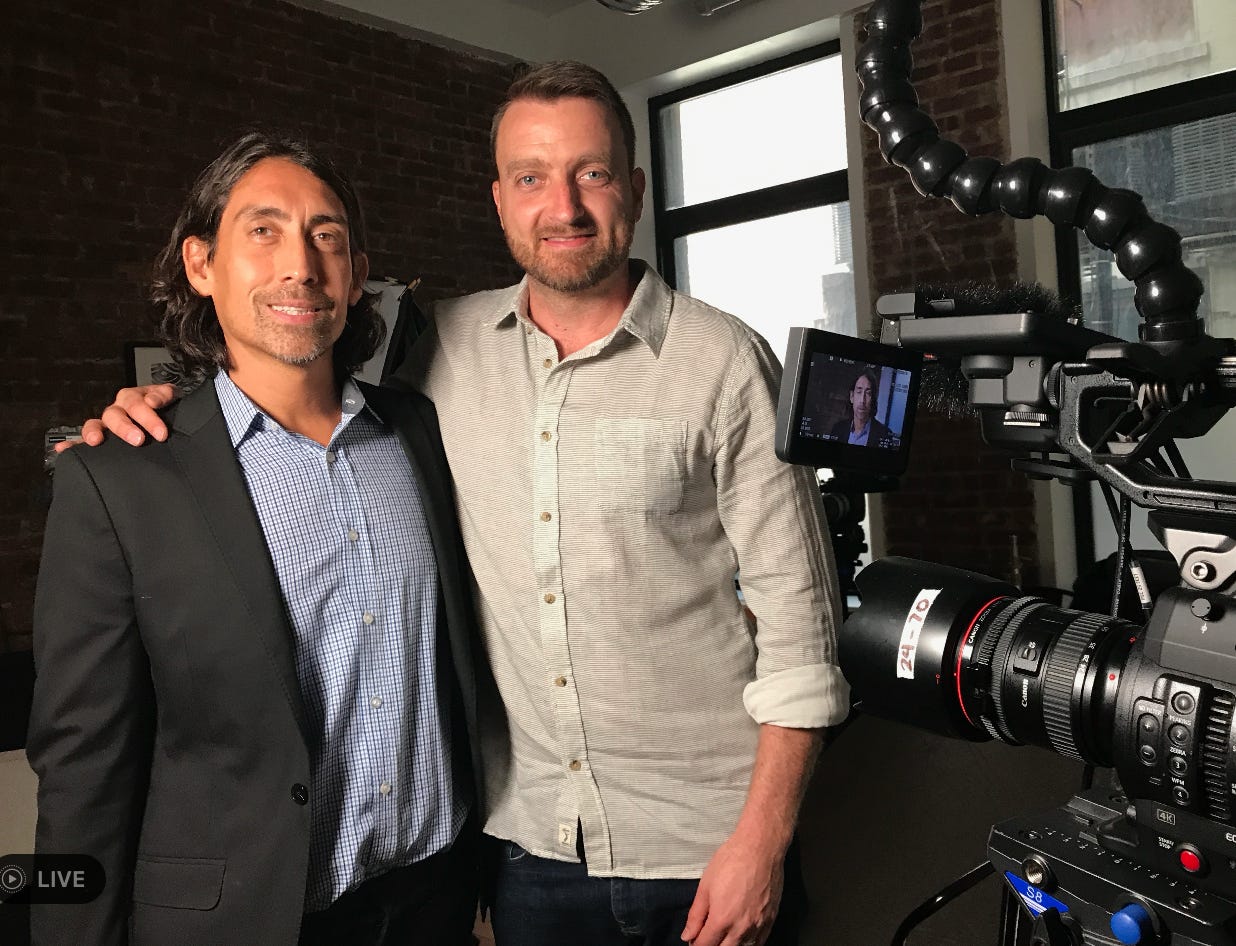
Healing Kitchen is a nine-part documentary series and the team at The Sacred Science — the same filmmakers who have spent over a decade documenting traditional healing systems around the world. And for a limited window, they are screening the entire series online, free, to anyone who registers.
→ Register here for free access to Healing Kitchen

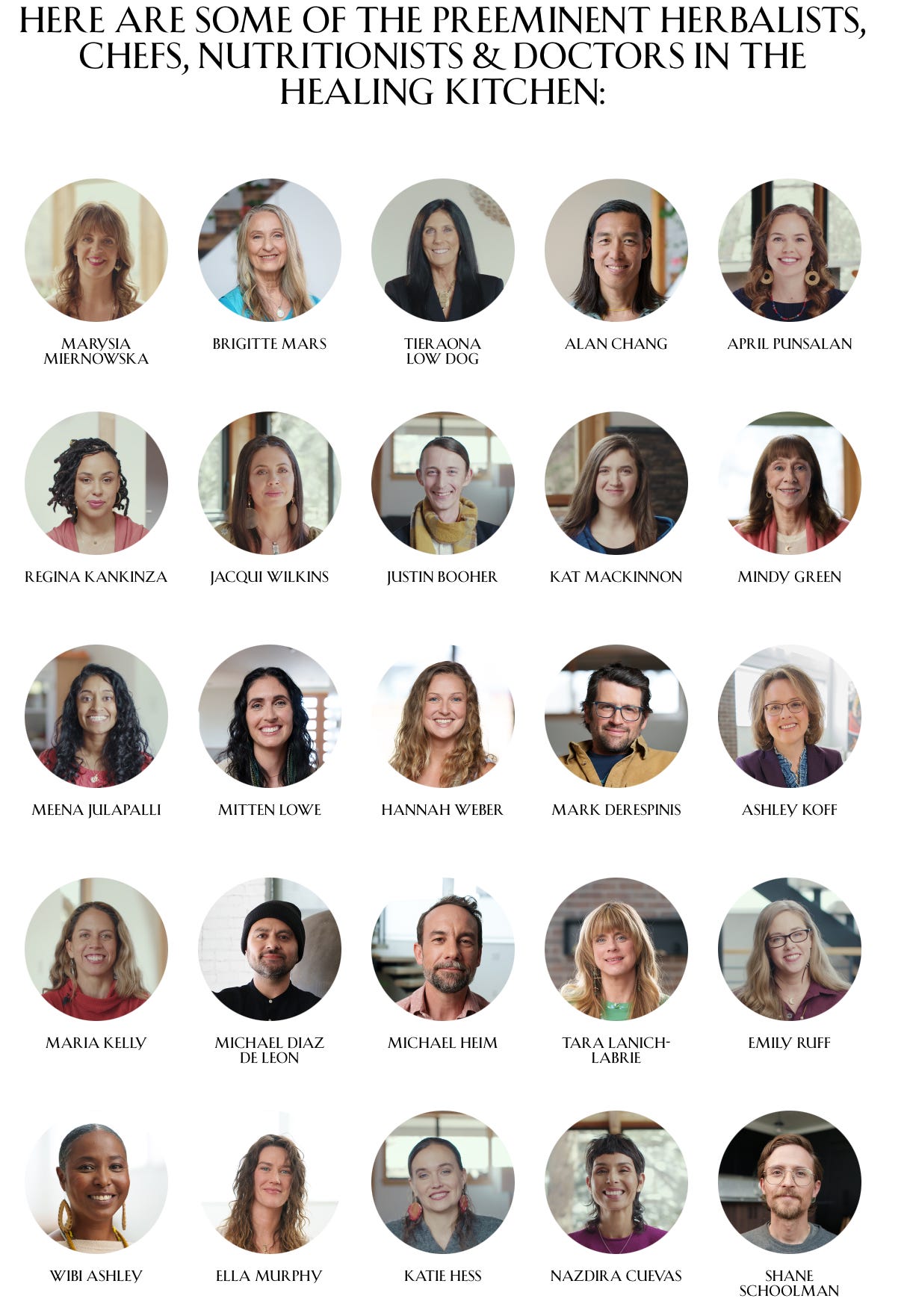
Imagine your favorite cooking show — the warmth, the craft, the aromas you can almost taste through the screen — but where every ingredient is chosen for its medicinal intelligence, and every recipe comes with the science and the story behind it. That is the format. The faculty is what elevates it: Dr. Tieraona Low Dog — one of the most respected integrative physicians in the country, who served on the White House Commission on Complementary and Alternative Medicine Policy — alongside veteran herbalists like Brigitte Mars and Marysia Miernowska, holistic nutritionists, wild-food foragers, small regenerative farmers, and farm-to-table chefs who treat the cutting board as an apothecary bench.
Each episode pairs a vital system of the body with the traditional dishes and remedies that support it:
The Forgotten Secrets of Food — why nutrition vanished from medicine, eating well on any budget, and medicinal mushroom tacos with epazote
A Happy Gut — feeding your inner ecosystem, avoiding hidden antibiotics and pesticides, an Ayurvedic fasting dish, and a toxin-clearing superfood soup
Cooking for Immunity — mineral broths, fire cider, an Indian “heal-all” spice, and a Thai medicinal-mushroom soup
Cognitive Cuisine — brain-nourishing dishes from antiquity, including the “herb of remembrance,” plus one chef’s account of recovering from traumatic brain injury
Heart-Smart Menus — hawthorn, rose, lemon balm, and a restorative beet-and-nettle broth for the organ Chinese medicine calls “The Emperor”
Zest & Zen — formulas for deep sleep and sustainable energy, from pre-bedtime herbal brews to dreamweaver truffles
Food Fighters — crafting anti-cancer meals: the brassica family, the power of chlorophyll, and the survivors who cooked their way through treatment
Beauty in a Bowl — skin and hair from the inside out, with a segment on the irreplaceable role of bees
Spice of Life — hormone health, fertility-supporting traditions, and the forgotten art of elixir-craft
Readers of my work will recognize Episode 7 as home territory. The brassicaceae vegetables and chlorophyll are two of the most deeply indexed subjects in the GreenMedInfo database — the research literature on their protective biological activity runs to thousands of studies. Watching traditional cooks and clinicians translate that literature into an actual dinner is the missing bridge between the PubMed abstract and your plate.
Food Is Not Fuel. It Is Information.
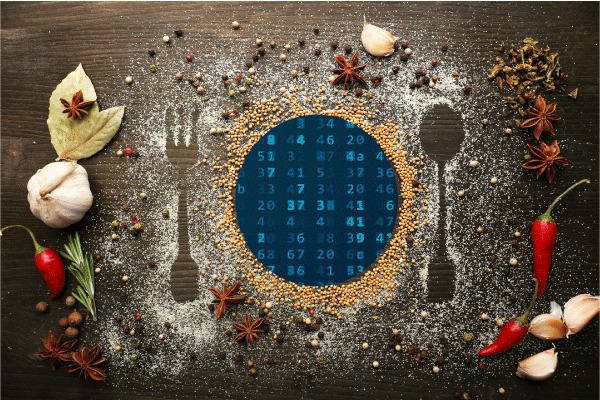
This is the deeper thesis I explored in Regenerate, and it is the quiet premise running underneath every episode of this series: food is not merely calories and cofactors. It is biological information — gene-regulating, microbiome-instructing, cross-kingdom communication refined over millions of years of co-evolution between our bodies and the living world. When you sip a broth of nettles and beets, or fold turmeric into a stew the way it has been done for a hundred generations, you are not just eating. You are receiving a transmission from an unbroken lineage of human observation — the collective clinical trial of our ancestors, run across millennia, with survival itself as the endpoint.
The pharmaceutical era taught us to see the kitchen as the place where health is lost and the pharmacy as the place where it is purchased back. Healing Kitchen restores the original arrangement. The series’ own phrase for it is exactly right: transforming your kitchen into a sacred table of wellness.
What to Do Now
Registration is free and takes about thirty seconds. The worldwide screening begins soon and runs for a limited time only — these free windows from The Sacred Science do not stay open long, so sign up now and mark your calendar when the schedule arrives in your inbox.
→ Sign up here to watch Healing Kitchen free
Watch it with the people you cook for. Keep a notebook by the stove. Pick one recipe from each episode and actually make it — the fire cider, the mineral broth, the rainbow kale salad — because this knowledge only becomes medicine when it becomes dinner.
Hippocrates’ most famous quote may be apocryphal. His practice was not. The oldest pharmacy on Earth never closed — it just went by another name.
Yours is called the kitchen.
→ Claim your free access to Healing Kitchen here
This is a free series! Share with friends and family who can benefit from the educational opportunity!
GreenMedInfo is proud to partner with The Sacred Science as an affiliate for this screening. Registering through the links above supports our research and educational work at no cost to you.
The information in this series and article is educational in nature and is not a substitute for the advice of your physician or other healthcare professional.
Thank you Sayer ji,
I'm cutting and pasting your writing....
"a system that profits from managing disease has little incentive to teach the tools that prevent it — tools that grow in soil, cost pennies, and cannot be patented."
Well said.
This is the piece that names the gap. The average medical student gets about 20 hours of nutrition education across four years. Twenty hours to learn about the substance that builds, fuels, and informs the body three times a day for a lifetime. That's not an oversight. That's a design choice. A system that profits from managing disease has little incentive to teach the tools that prevent it.
The misquote is almost perfect. Hippocrates never said "let food be thy medicine." But what the corpus actually contains is far more radical. Hundreds of dietary prescriptions. Barley gruels calibrated to fevers. Honeys, vinegars, wines, and herbs dosed like pharmaceuticals. Food wasn't a metaphor for medicine. It was the practice of it.
The deeper thesis is the one that matters. Food is not merely calories and cofactors. It is biological information. Gene-regulating, microbiome-instructing, cross-kingdom communication refined over millions of years of co-evolution. When you eat, you are receiving a transmission.
The oldest pharmacy on Earth never closed. It just went by another name. Yours is called the kitchen.