


Ounce for ounce, few foods carry this much copper, calcium and lignans. Here is what 13 years of GreenMedInfo coverage and the newest meta-analyses show, including where the evidence is weaker than the headlines.
Gold is priced by the ounce. So let’s price sesame the same way.
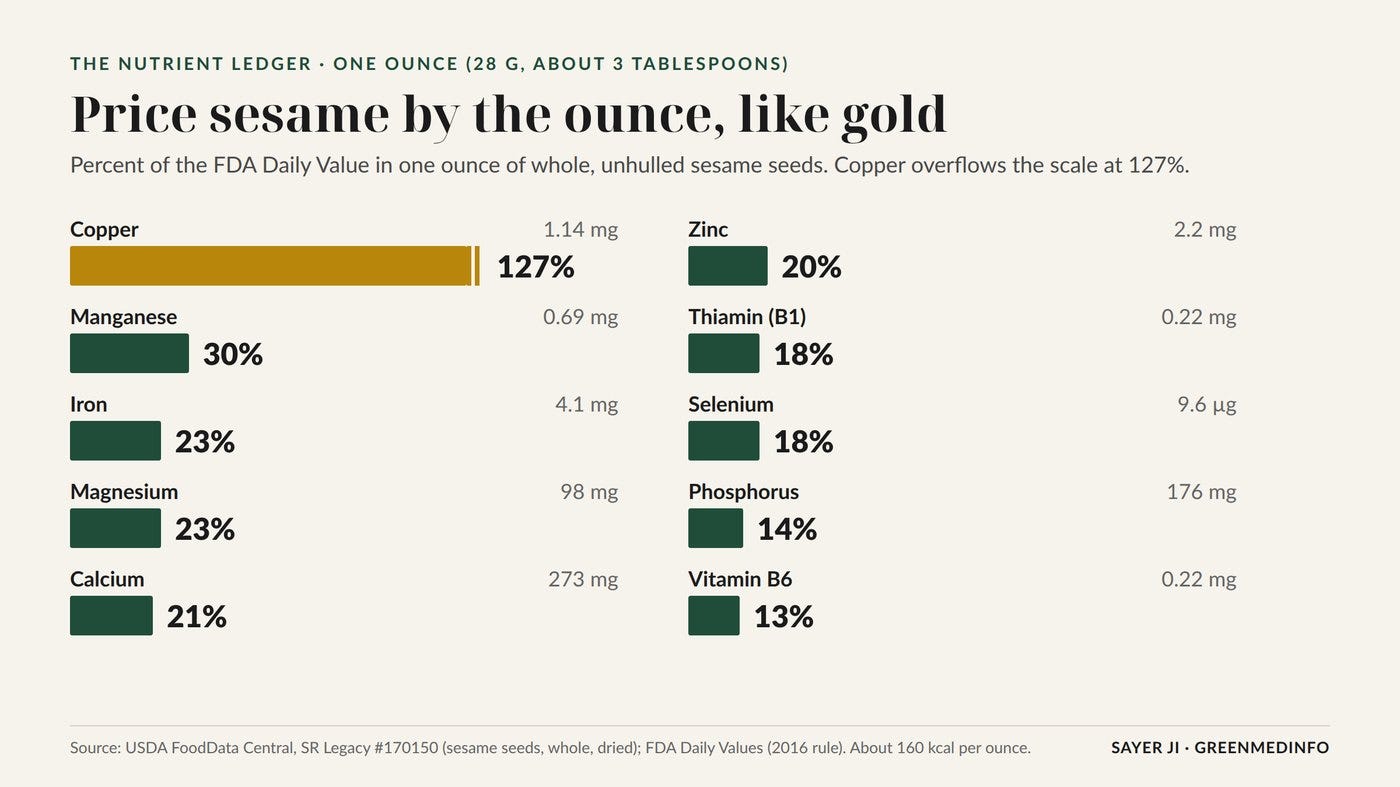
One ounce of whole, unhulled sesame seeds, about three tablespoons, carries 127% of the Daily Value for copper, roughly a fifth of your day’s iron, magnesium, calcium and zinc, and nearly a third of your manganese, according to the USDA’s FoodData Central entry for whole dried sesame seeds, scored against the FDA’s Daily Values. That is before we count the compounds no label lists at all: sesamin, sesamolin and sesaminol, the lignans behind dozens of studies indexed on GreenMedInfo’s sesame seed research page.
For more than a decade, GreenMedInfo has been building the case for sesame, in “Sesame May Eclipse Flaxseed As The Ultimate Healing Seed”, in “The Profound Healing Properties of Sesame Seed”, in “How Sesame Seeds Could Save Your Life”, and in the research group’s “Open Sesame! 10 Amazing Health Benefits”. This piece pulls that archive together, rechecks every study against its primary source, and adds what the newest meta-analyses say, including the places where the evidence is weaker than the headlines.
A seed older than writing
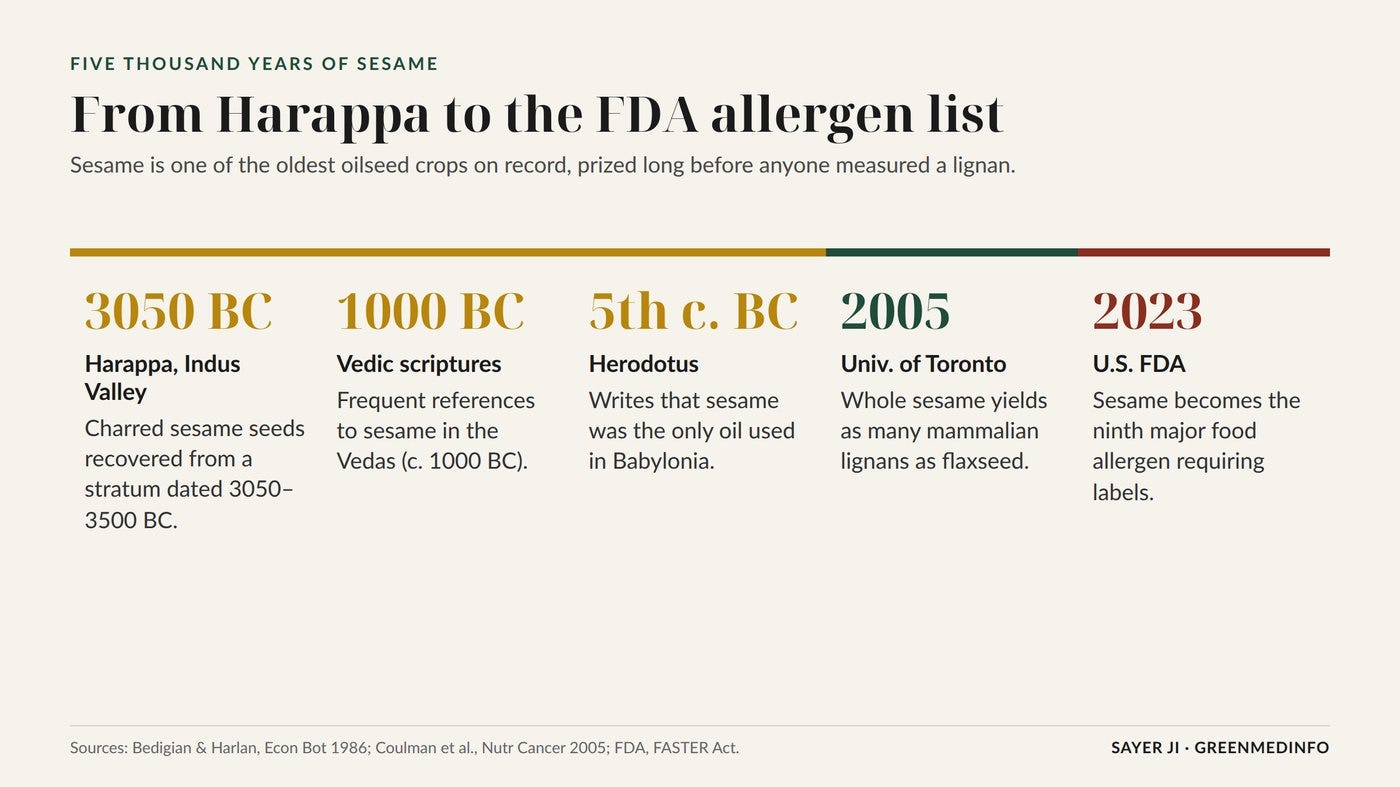
Sesame is not a trend. Charred sesame seeds have been recovered at Harappa, in the Indus Valley, from a layer dated to 3050–3500 BC, and the Vedic scriptures refer to it often, according to the ethnobotanists Dorothea Bedigian and Jack Harlan. The same review notes that Herodotus, in the fifth century BC, wrote that sesame was the only oil used in Babylonia. Modern geneticists still call it the “queen of oilseeds” for its unsaturated fats and natural antioxidants, as a recent population-genomics study puts it.
The nutrient ledger
Most “superfood” claims rest on one nutrient. Sesame’s rest on a whole column of them. Copper is the standout: one ounce gives you more than a full day’s worth. Copper is easy to overlook, but your body uses it to make energy, connective tissue and blood vessels, and to support the nervous and immune systems, according to the NIH Office of Dietary Supplements.
There is a catch, and it matters for how you buy sesame. Most of the calcium sits in the hull. The USDA lists 975 mg of calcium per 100 grams of whole seeds, but only 60 mg per 100 grams of hulled (decorticated) kernels. Copper and iron drop sharply too.
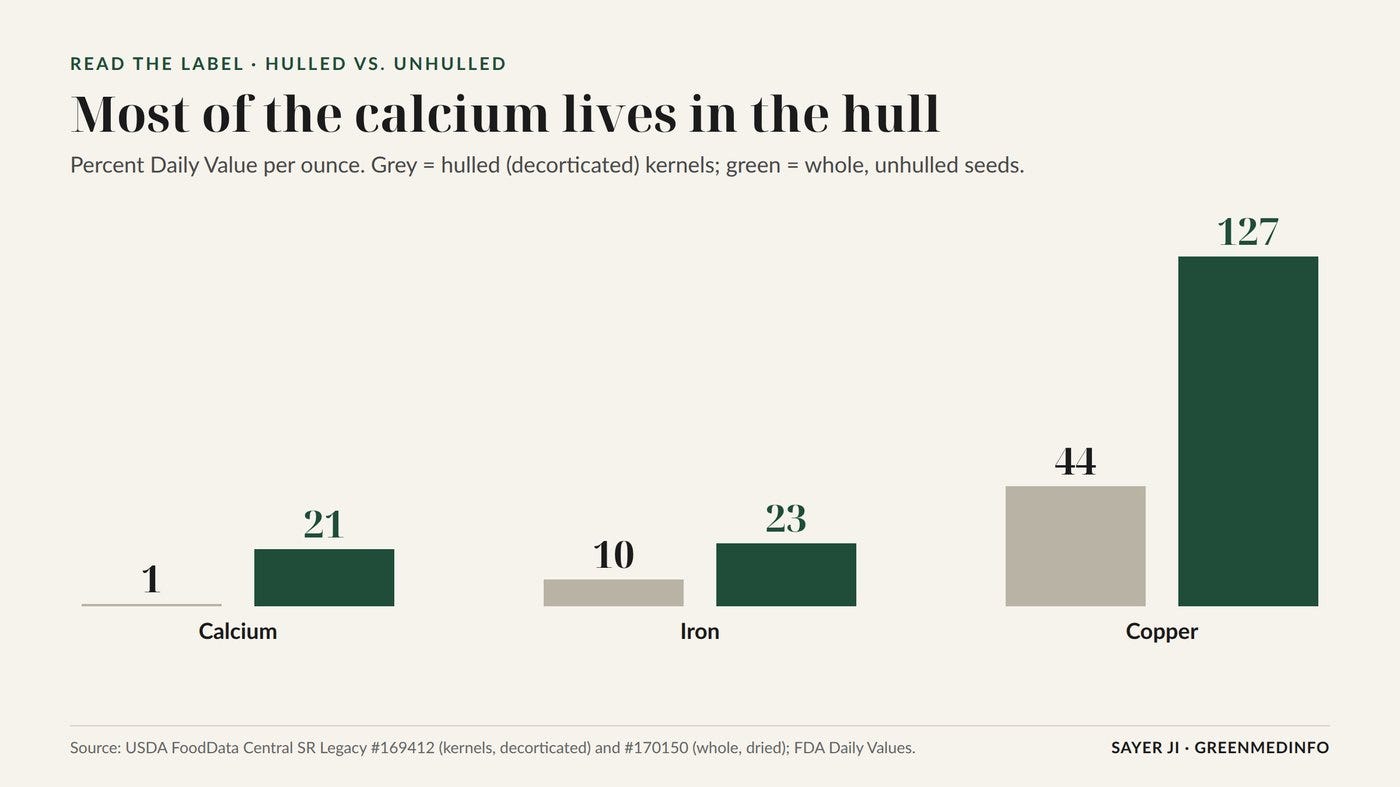
The hull has its own catch. A 2023 review of sesame processing notes that the seed coat contains oxalic acid, which binds calcium, and estimates that less than 25% of sesame’s total calcium is bioavailable. So whole sesame is not a calcium pill, but it is still a real contributor, and it is the form that keeps the copper, iron and hull polyphenols.
The technical record
Per 100 g, whole dried sesame (USDA SR Legacy #170150): 573 kcal, 17.7 g protein, 49.7 g fat, 11.8 g fiber, 975 mg calcium, 14.6 mg iron, 351 mg magnesium, 629 mg phosphorus, 7.75 mg zinc, 4.08 mg copper, 2.46 mg manganese, 34.4 µg selenium, 0.79 mg thiamin, 0.79 mg vitamin B6. Hulled kernels (#169412): 60 mg calcium, 6.36 mg iron, 1.40 mg copper, 345 mg magnesium. One ounce = 28 g ≈ 160 kcal. Daily Values used: copper 0.9 mg, calcium 1,300 mg, iron 18 mg, magnesium 420 mg, manganese 2.3 mg, zinc 11 mg. Oxalate and bioavailability: the 2023 review reports the coat “can contain up to 35 mg oxalic acid/100 g” and that “bioavailable calcium has been estimated at less than 25% of the total calcium.”
The lignan upset
For years, flaxseed was crowned the richest food source of lignans, the plant compounds your gut bacteria turn into enterolactone and enterodiol. Sayer Ji’s 2016 article told the story of the study that challenged it.
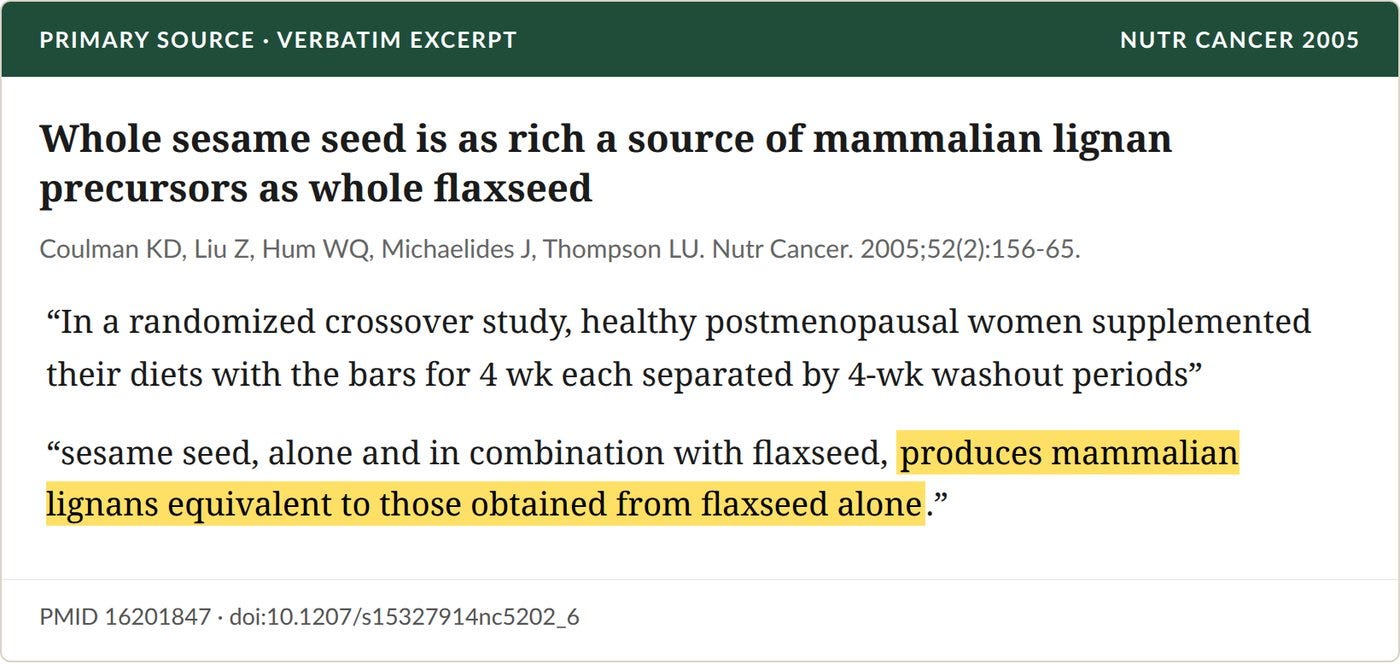
At the University of Toronto, postmenopausal women ate food bars containing 25 grams of whole flaxseed, whole sesame, or a mix, for four weeks at a time. Sesame produced as many mammalian lignans as flaxseed, the researchers reported in Nutrition and Cancer, and it also produced an extra lignan metabolite that flax did not.
The same Toronto group then put the two lignans head to head in mice carrying human breast tumors. Purified sesamin shrank tumor size by 23% compared with controls, and outperformed flax’s main lignan, according to their 2012 study. But the authors added an important line: whole sesame seed itself had not been protective in their earlier models, and sesamin’s effect “may have been lost when consumed as a component of” the seed. That is part of the honest record, and it shapes the safety note further down.
Joints: the 40-gram trial
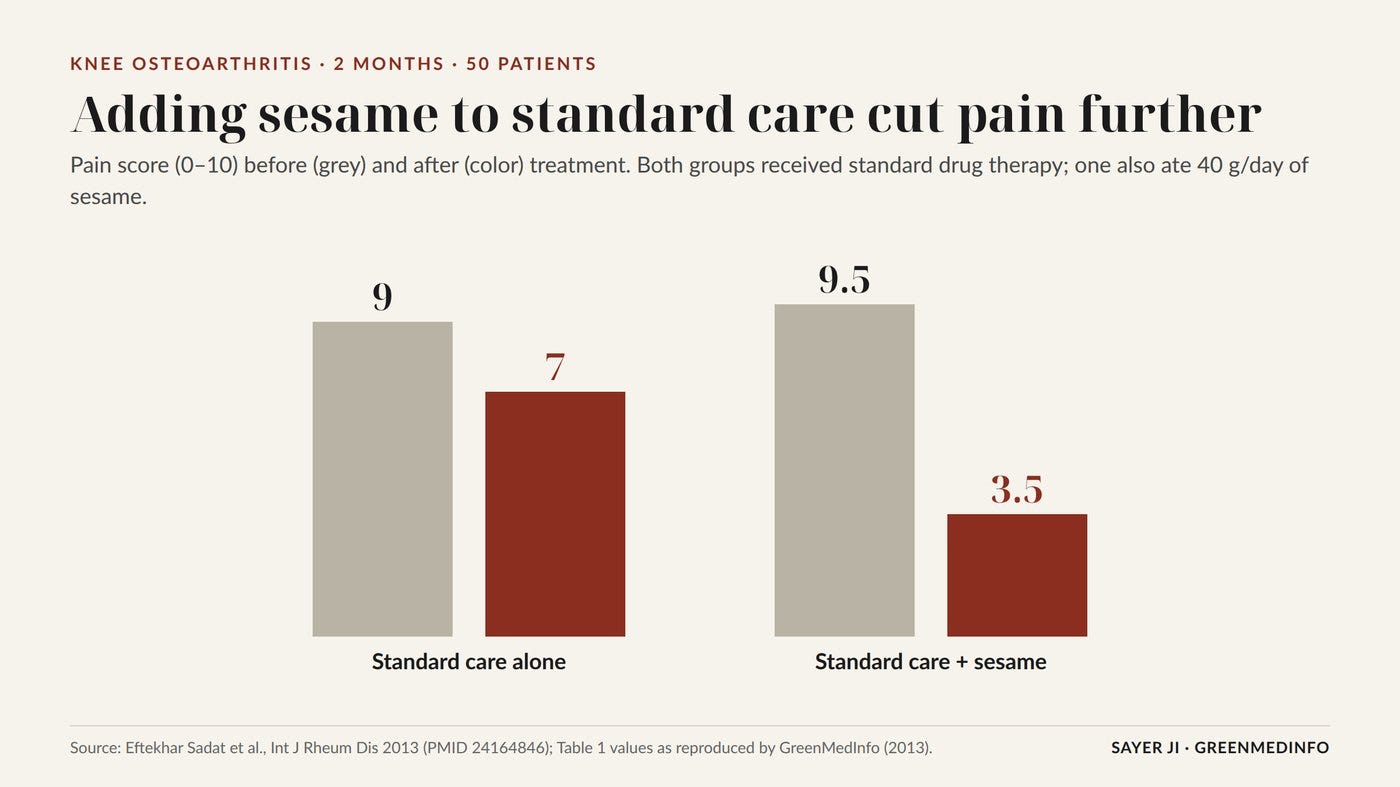
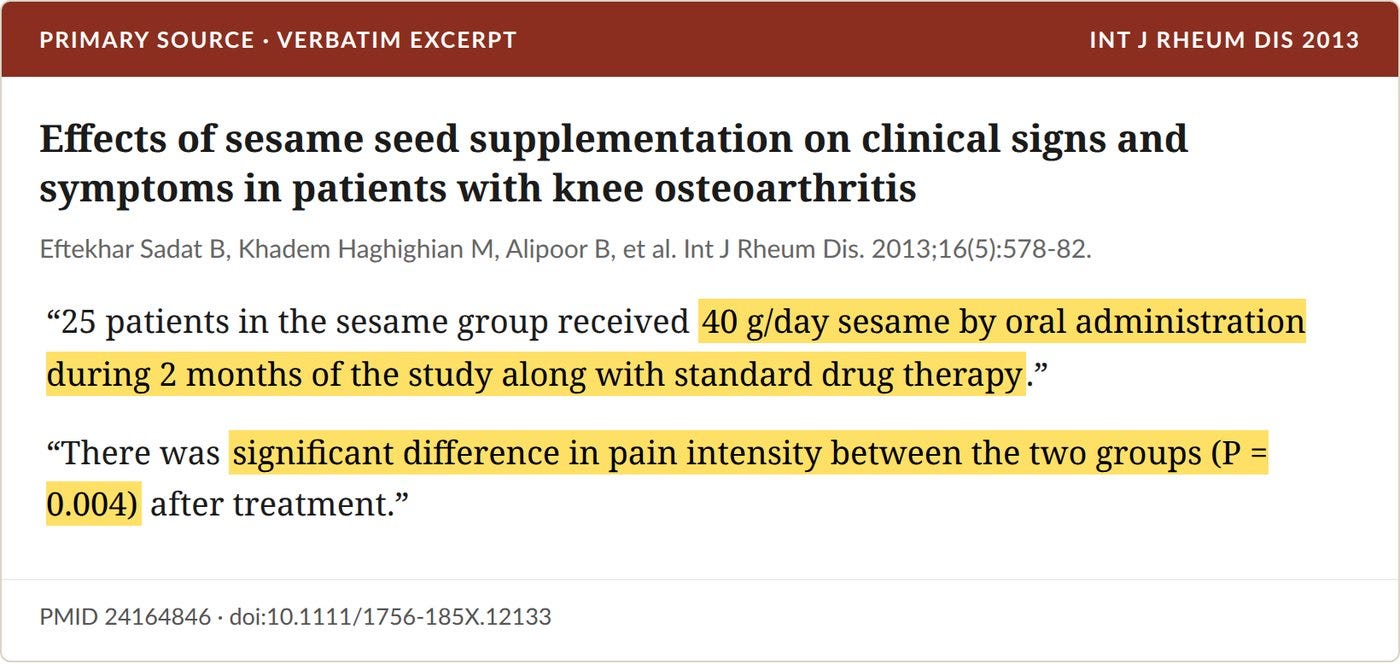
In 2013, GreenMedInfo covered an Iranian trial under the headline “Eating Sesame Seeds Superior To Tylenol for Knee Arthritis.” Fifty people with knee osteoarthritis were split into two groups. Rechecking the primary abstract gives a sharper and more defensible reading: both groups stayed on standard drug therapy, and one group also ate 40 grams of sesame a day, about four tablespoons, for two months, as the International Journal of Rheumatic Diseases abstract specifies.
The sesame group’s pain fell much further. On the scores GreenMedInfo reproduced from the paper’s table, pain dropped from 9.5 to 3.5 with sesame, against 9 to 7 on standard care alone, and the abstract reports a significant difference between groups (P = 0.004). Function scores improved more with sesame too.
A follow-up from the same research group measured what was happening inside the joint’s chemistry. In 50 patients, this time with a 40-gram placebo powder for comparison, sesame lowered the oxidation marker malondialdehyde and the inflammation marker hs-CRP, and IL-6 ended significantly different between the groups, according to Acta Medica Iranica. And sesame oil works from the outside as well: in a double-blind trial of 104 patients, topical sesame oil was not inferior to diclofenac gel for knee pain on the WOMAC pain score, per the abstract indexed by GreenMedInfo.
The technical record
Eftekhar Sadat et al., Int J Rheum Dis 2013;16(5):578-82 (PMID 24164846): n = 50 (25 per group), 2 months; “Twenty-five patients in the control group received standard treatment while 25 patients in the sesame group received 40 g/day sesame by oral administration during 2 months of the study along with standard drug therapy.” Between-group differences after treatment: pain P = 0.004, KOOS P = 0.009, TUG P = 0.002. The 9.5→3.5 and 9→7 pain values are as reproduced in GreenMedInfo’s 2013 article; we could not view the paywalled full text. Not blinded or placebo-controlled; single region (northwest Iran). Topical oil trial: Askari et al., Complement Ther Med 2019 (PMID 31780006), non-inferiority was not shown for VAS, WOMAC stiffness and WOMAC total at week 4.
Athletes and recovery
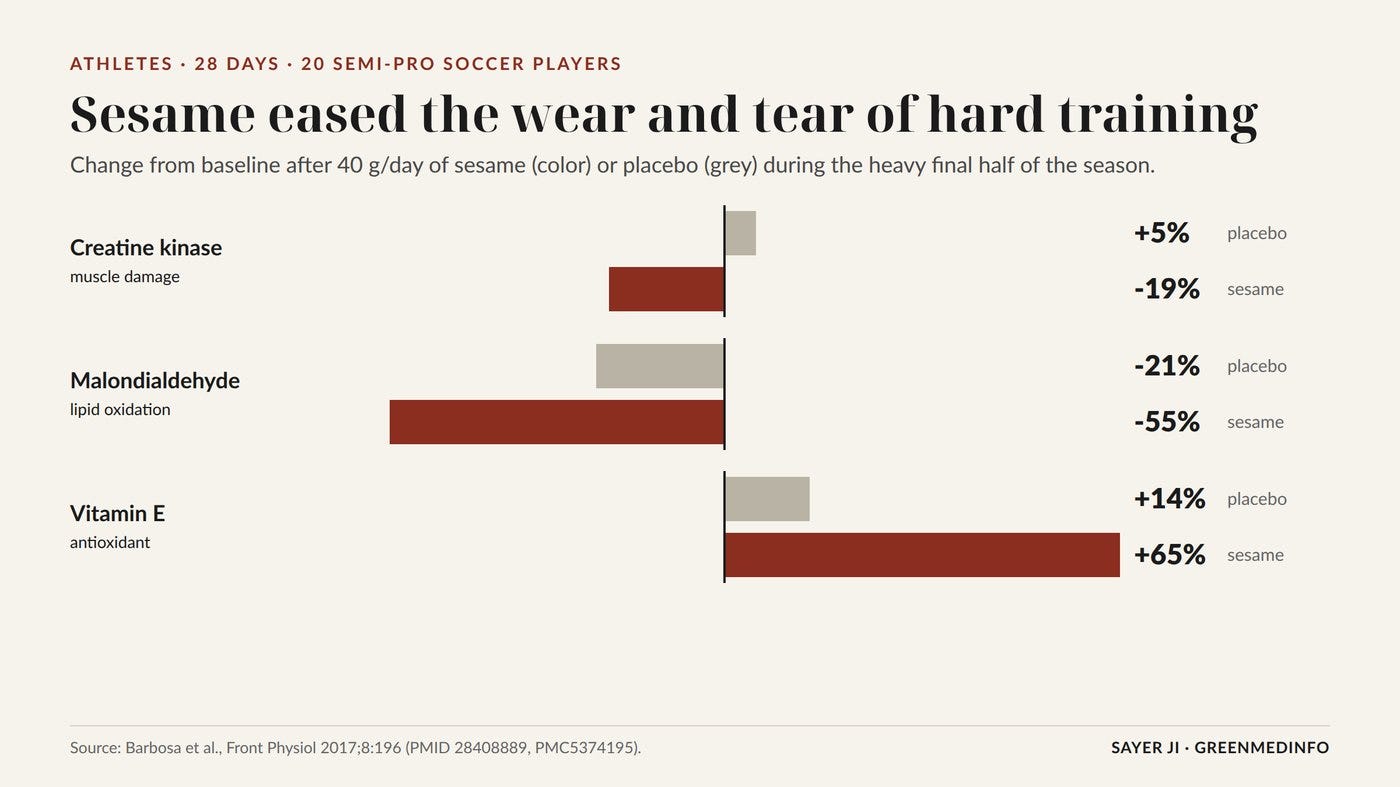
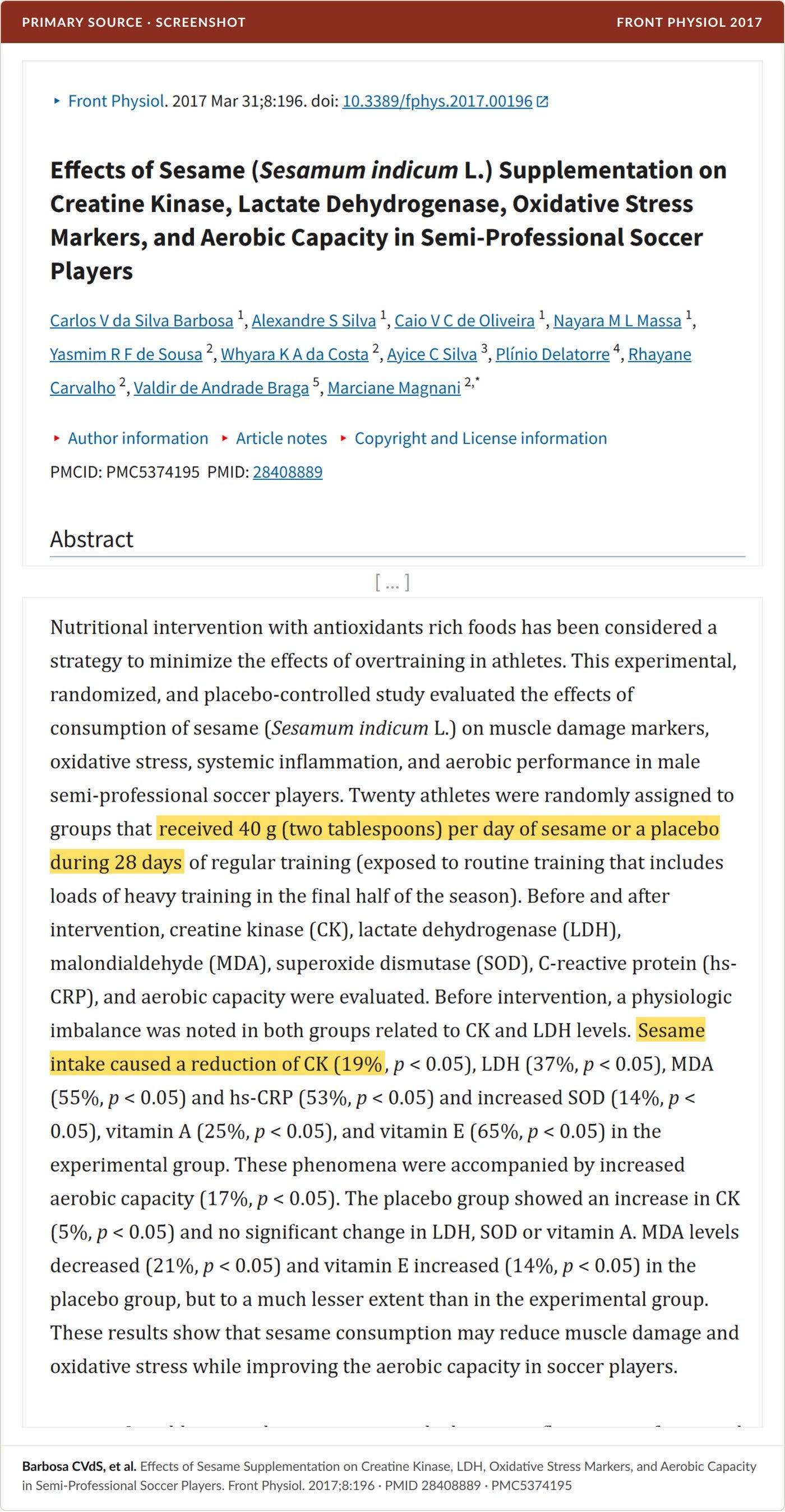
Sesame’s antioxidants show up in sport, too. Twenty semi-professional soccer players in Brazil ate 40 grams of sesame or a placebo every day for 28 days during the heaviest part of their season. Creatine kinase, a marker of muscle damage, fell 19% with sesame while it rose 5% on placebo, and aerobic capacity improved 17%, according to Frontiers in Physiology.
Heart, blood sugar and inflammation
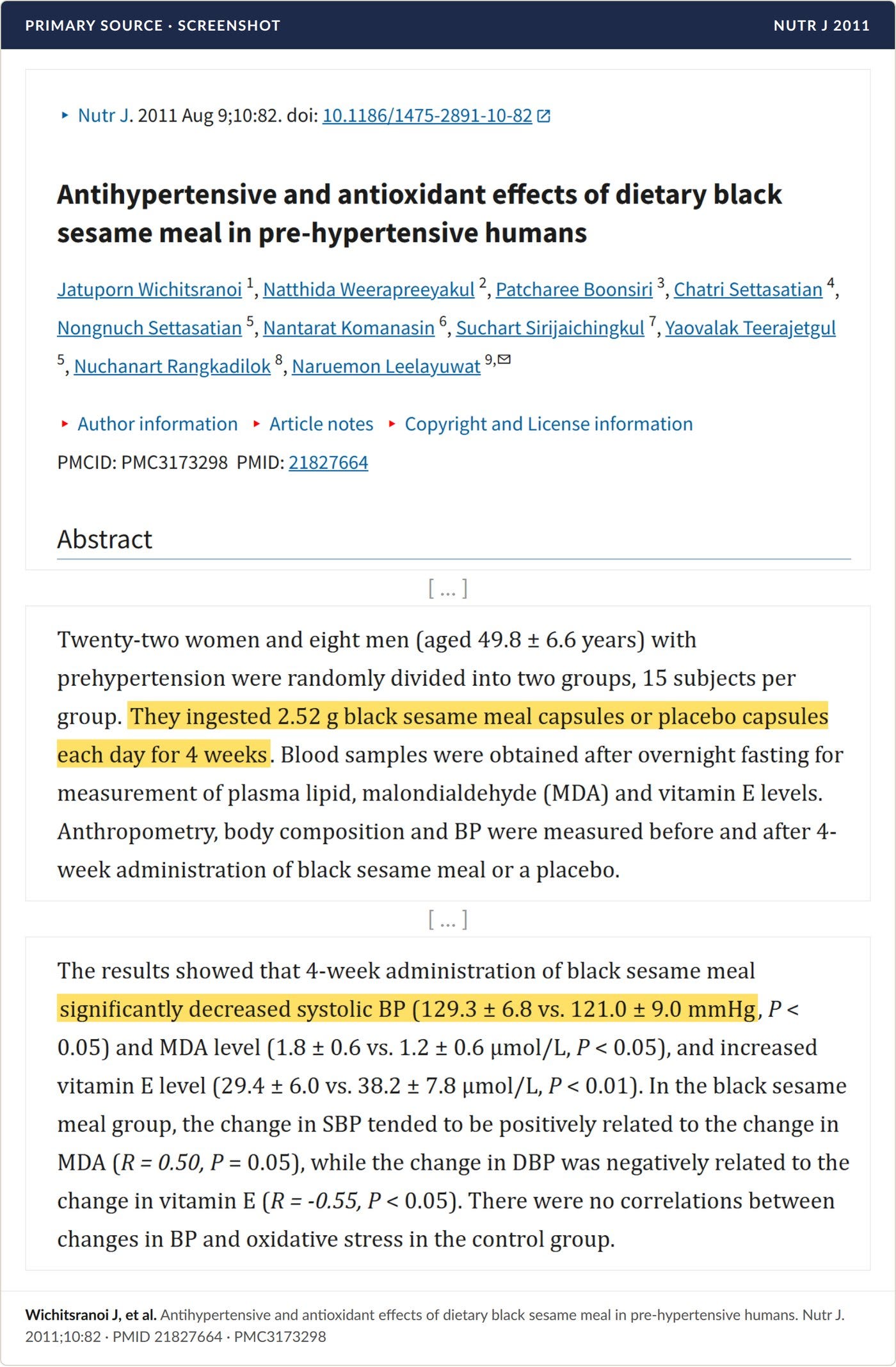
This is where most of the human trials sit, and where the story is most interesting. In Thailand, 30 adults with prehypertension took 2.52 grams of black sesame meal in capsules a day for four weeks. Systolic blood pressure fell from 129.3 to 121.0 mmHg, and an oxidation marker dropped while vitamin E rose, according to Nutrition Journal.
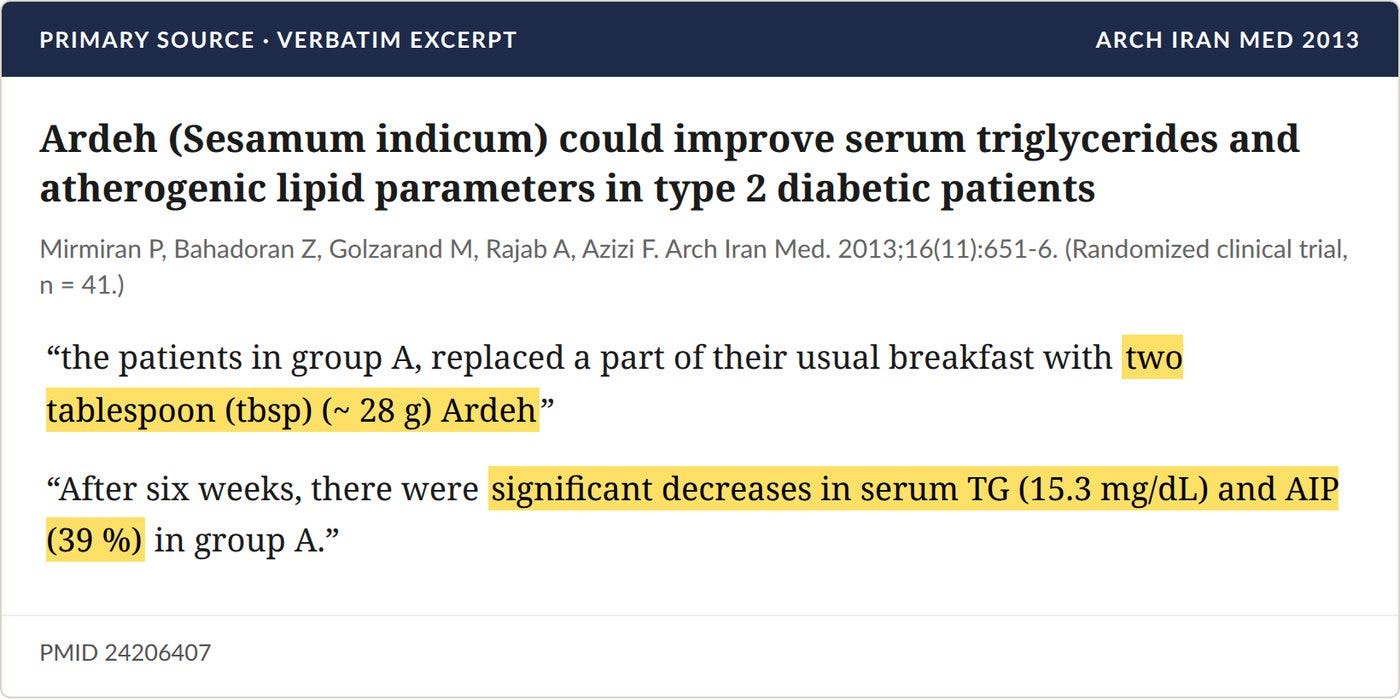
Food-sized doses matter too. In people with type 2 diabetes, swapping part of breakfast for two tablespoons of Ardeh, a paste of ground unhulled sesame, cut triglycerides by 15.3 mg/dL and the atherogenic index of plasma by 39% in six weeks, as reported in Archives of Iranian Medicine. Sesame oil used for cooking, about 35 grams a day, worked alongside the diabetes drug glibenclamide to cut glucose 36% and HbA1c 43% in an open-label study from India in Clinical Nutrition.
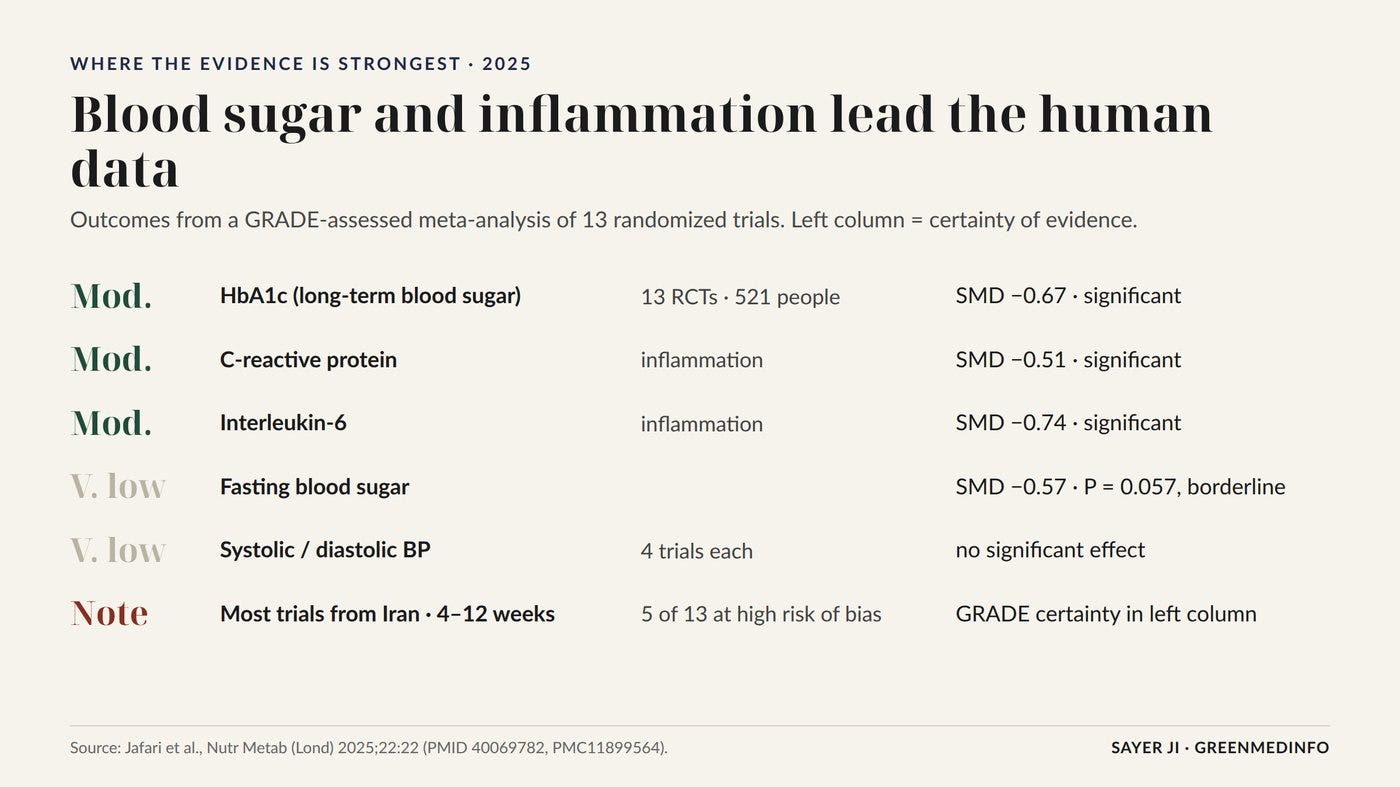
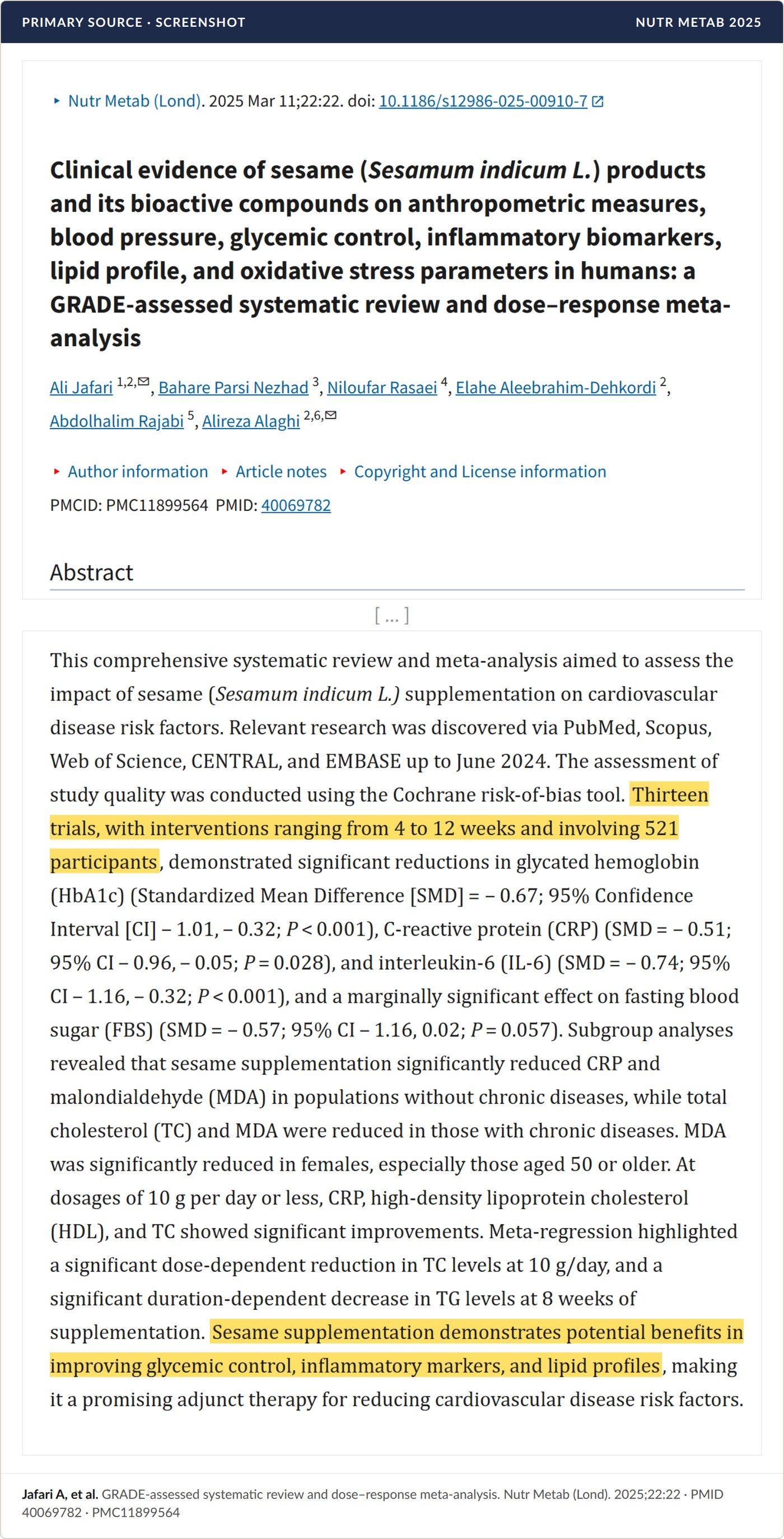
When researchers pool all the trials, a pattern emerges. A 2025 GRADE-assessed meta-analysis of 13 randomized trials and 521 people found that sesame significantly lowered HbA1c, C-reactive protein and interleukin-6, with moderate certainty of evidence for all three, according to Nutrition & Metabolism. A separate meta-analysis of seven trials found the same drop in IL-6, per Evidence-Based Complementary and Alternative Medicine, and a 2024 review of ten trials in type 2 diabetes found lower triglycerides, total cholesterol and LDL, according to Nutrition, Metabolism and Cardiovascular Diseases.
The honest chart: blood pressure
Blood pressure is the clearest case of a sesame benefit that gets smaller under scrutiny. A 2017 meta-analysis of eight controlled trials found an average 7.8 mmHg drop in systolic pressure, but when the authors kept only the four higher-quality trials, the drop shrank to 3.2 mmHg, and the diastolic effect was no longer significant, according to the Journal of the Science of Food and Agriculture. The 2025 GRADE analysis found no significant effect on blood pressure in the four trials that measured it, and rated that evidence very low certainty, per Nutrition & Metabolism.
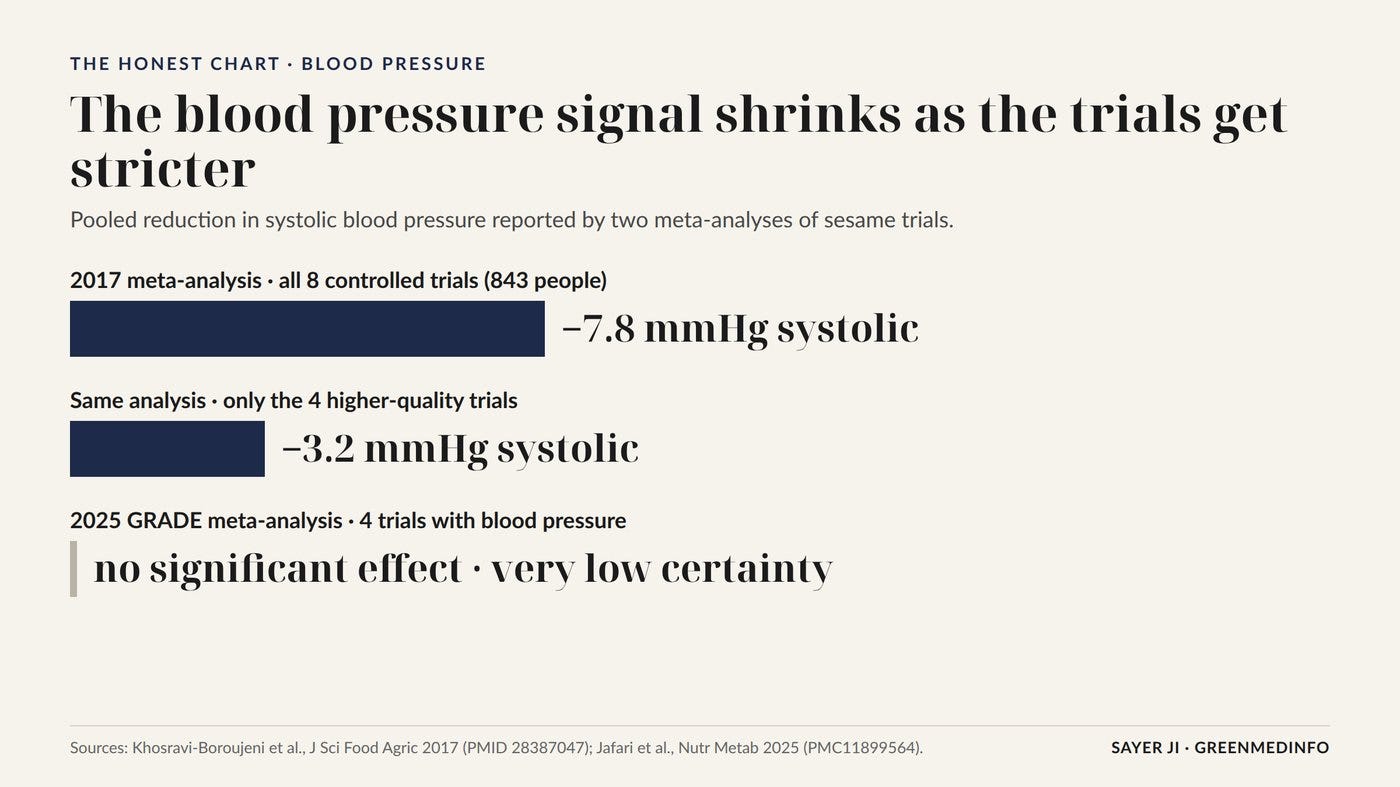
That does not cancel out the Thai trial or GreenMedInfo’s earlier coverage. It tells us where sesame’s strongest human signal currently sits: blood sugar control and inflammation markers, not blood pressure.
The technical record
Jafari et al., Nutr Metab (Lond) 2025;22:22 (PMC11899564): 13 RCTs, 521 participants, 4–12 weeks. HbA1c SMD −0.67 (95% CI −1.01 to −0.32); CRP SMD −0.51 (−0.96 to −0.05); IL-6 SMD −0.74 (−1.16 to −0.32); fasting blood sugar SMD −0.57 (−1.16 to 0.02; P = 0.057). SBP SMD −0.32 (−1.47 to 0.83; P = 0.587) and DBP SMD −0.23 (−1.41 to 0.95), each from four trials with I² above 90%. GRADE: moderate for HbA1c, CRP, IL-6, waist and hip circumference; very low for blood pressure, lipids, fasting glucose and MDA. Five of 13 studies were at high risk of bias; most were conducted in Iran. Khosravi-Boroujeni et al., J Sci Food Agric 2017 (PMID 28387047): 8 trials, 843 participants; SBP −7.83 mmHg (I² = 99%), high-quality subset SBP −3.23 mmHg (I² = 33%), DBP −2.08 mmHg (non-significant).
Memory: a byproduct with promise
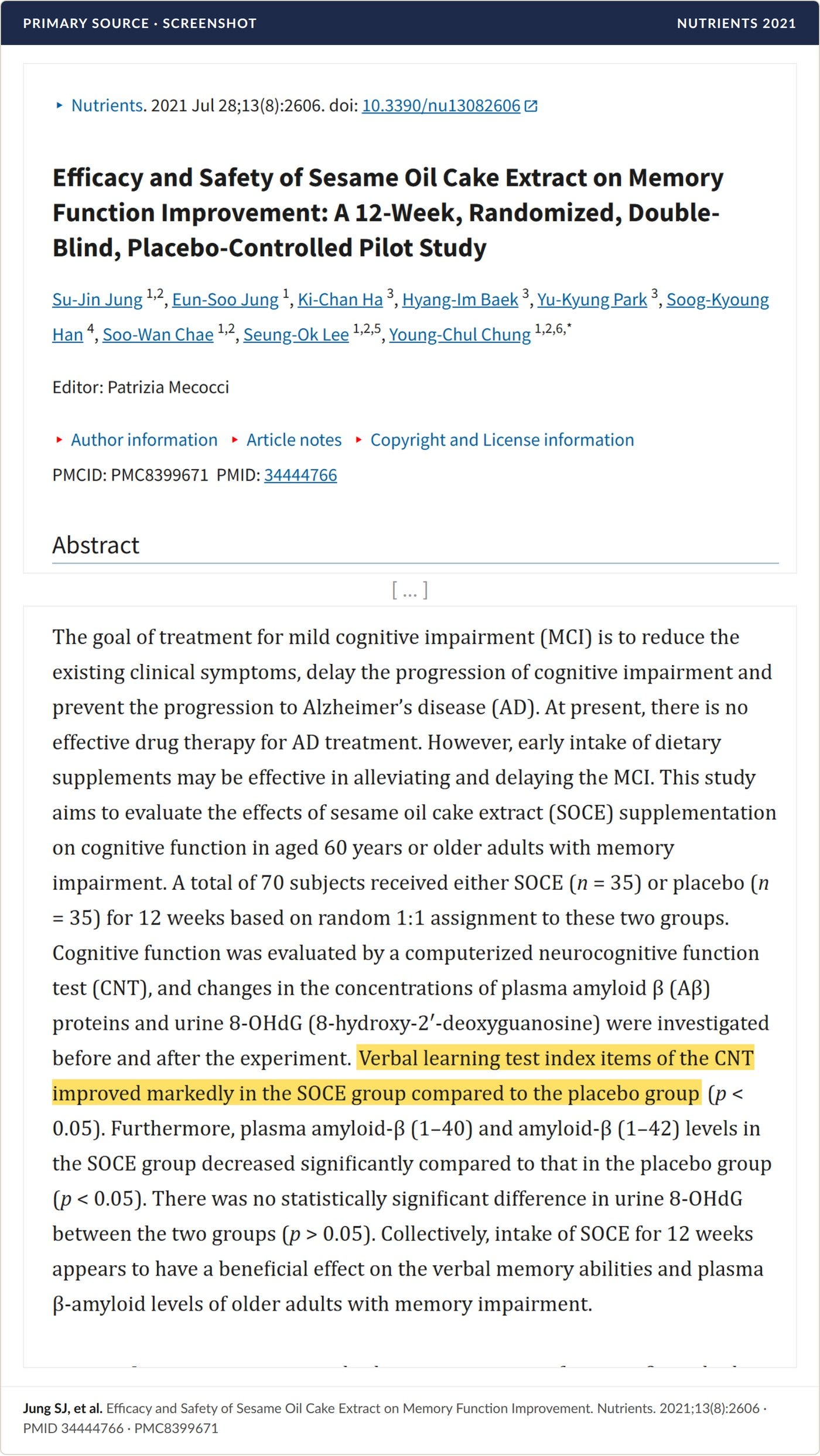
Some of sesame’s most intriguing compounds are left behind after the oil is pressed. GreenMedInfo’s coverage of a Korean trial described how an extract of that pressed cake, rich in sesaminol, was tested in 70 older adults with memory complaints. After 12 weeks, verbal learning scores improved markedly compared with placebo, and blood levels of amyloid-beta fragments fell, according to Nutrients.
The technical record
Jung et al., Nutrients 2021;13(8):2606 (PMC8399671): 12-week randomized, double-blind, placebo-controlled pilot; n = 70 (35 per group). The methods state “1.5 g of SOCE was set as the daily intake,” taken as 500 mg tablets three times a day; the discussion’s wording (”1.5 g of SOCE three times a day”) conflicts with the methods, so the methods figure is used here. Sesaminol: 3.10 mg/g of extract. Funding included the Korean Ministry of Agriculture, the Korea Food Research Institute and KEUKDONG H-PHARM CO. LTD. Adverse events: two in the extract group and five on placebo, judged unrelated to the product. This is a pilot of a concentrated extract, not of eating sesame seeds.
Who should be careful
Sesame is a food, but it is not for everyone in every amount.
Allergy. Sesame became the ninth major food allergen in the United States on January 1, 2023, under the FASTER Act, and must now be declared on packaged foods and supplements, according to the FDA.
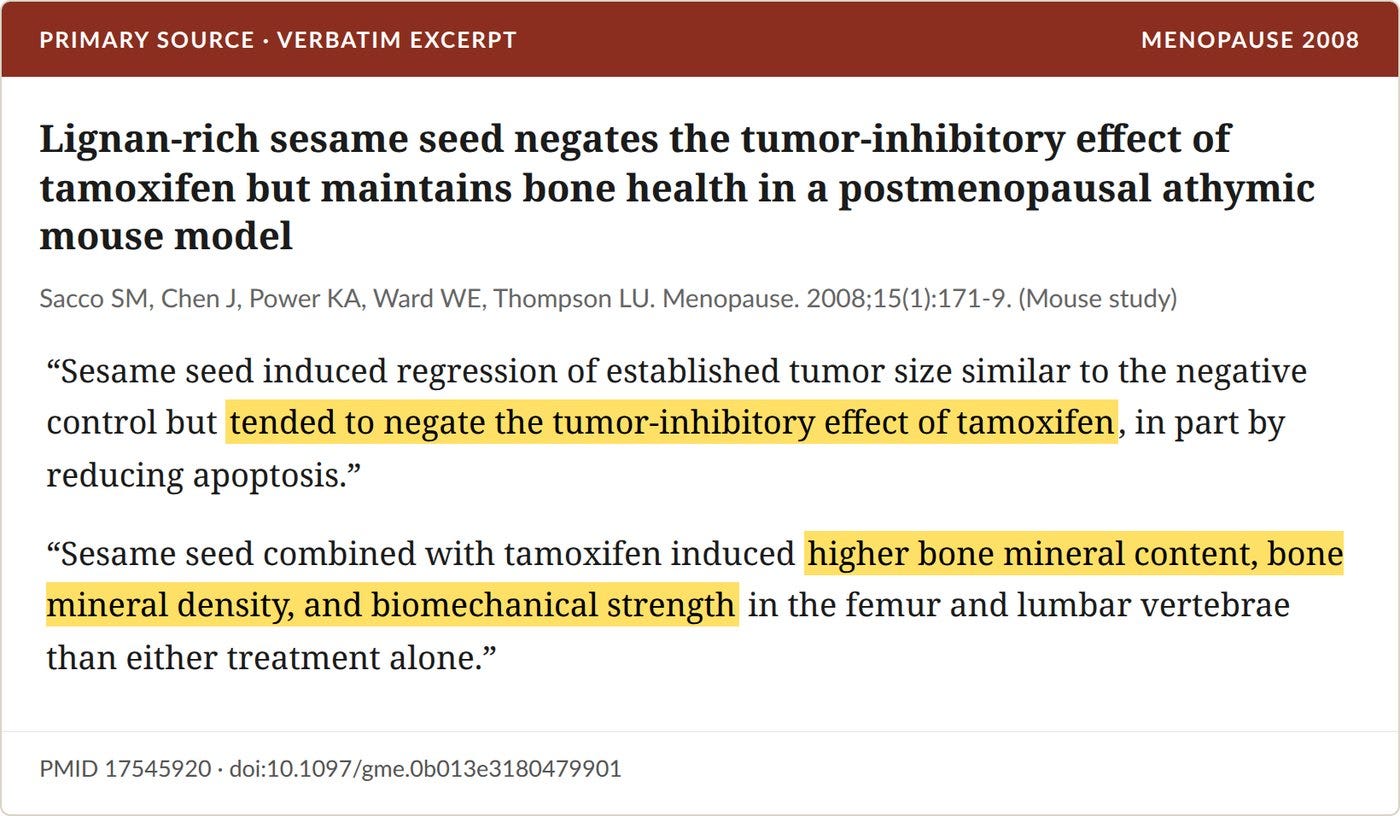
Tamoxifen. In mice with estrogen-responsive human breast tumors, a 10% sesame diet “tended to negate the tumor-inhibitory effect of tamoxifen,” even as it strengthened bone, according to Menopause. This is an animal study, but anyone on tamoxifen should talk with their oncologist before eating sesame in therapeutic amounts.
Blood sugar drugs. Sesame oil added to glibenclamide lowered glucose more than either alone in the Clinical Nutrition study. If you take diabetes medication, monitor your levels if you add sesame in large amounts.
Calories. One ounce is about 160 calories, per the USDA. The trial doses of 28 to 40 grams a day are real food, not a sprinkle.
How to eat it like gold
The trials point to a few simple habits.
Choose whole, unhulled seeds, or Ardeh made from unhulled seed, when you want the copper, iron and hull compounds. Hulled white kernels lose most of the calcium, per the USDA.
Grind or chew them well. The knee trial used powdered seed, and GreenMedInfo’s 2013 article notes the seeds were powdered to aid digestion.
Think in tablespoons, not pinches. The human studies used about 2 to 4 tablespoons a day (28 to 40 grams) for weeks at a time.
Use the oil in the kitchen. Sesame oil served as the everyday cooking oil in several trials, including the Yale Journal of Biology and Medicine study of people on blood pressure medication.
Sesame does not need to beat a drug to earn its place. It is an ancient food that packs a rare density of minerals into a spoonful, delivers lignans on par with flax, and has a growing body of human trials behind it on blood sugar, inflammation, joints and recovery. Nutritionally speaking, that is worth its weight in gold.
Food is the oldest technology we have. Sesame has been proving it for five thousand years.
This article is for educational purposes and is not medical advice. Talk with a qualified health professional before using food in place of, or alongside, prescribed treatment.
Sources
USDA’s FoodData Central entry for whole dried sesame seeds: https://fdc.nal.usda.gov/food-details/170150/nutrients
FDA’s Daily Values: https://www.fda.gov/food/nutrition-facts-label/daily-value-nutrition-and-supplement-facts-labels
GreenMedInfo’s sesame seed research page: https://greenmedinfo.com/substance/sesame-seeds
“Sesame May Eclipse Flaxseed As The Ultimate Healing Seed”: https://greenmedinfo.com/blog/sesame-may-eclipse-flaxseed-ultimate-healing-seed
“The Profound Healing Properties of Sesame Seed”: https://greenmedinfo.com/blog/profound-healing-properties-sesame-seed
“How Sesame Seeds Could Save Your Life”: https://greenmedinfo.com/blog/how-sesame-seeds-could-save-your-life
“Open Sesame! 10 Amazing Health Benefits”: https://greenmedinfo.com/blog/open-sesame-10-amazing-health-benefits-super-seed-1
the ethnobotanists Dorothea Bedigian and Jack Harlan: https://link.springer.com/article/10.1007/Bf02859136
a recent population-genomics study: https://pmc.ncbi.nlm.nih.gov/articles/PMC13398907/
NIH Office of Dietary Supplements: https://ods.od.nih.gov/factsheets/Copper-Consumer/
hulled (decorticated) kernels: https://fdc.nal.usda.gov/food-details/169412/nutrients
2023 review of sesame processing: https://onlinelibrary.wiley.com/doi/10.1155/2023/5394315
Nutrition and Cancer: https://pubmed.ncbi.nlm.nih.gov/16201847/
their 2012 study: https://pubmed.ncbi.nlm.nih.gov/22136581/
“Eating Sesame Seeds Superior To Tylenol for Knee Arthritis.”: https://greenmedinfo.com/content/eating-sesame-seeds-superior-tylenol-knee-arthritis
International Journal of Rheumatic Diseases: https://pubmed.ncbi.nlm.nih.gov/24164846/
Acta Medica Iranica: https://pubmed.ncbi.nlm.nih.gov/25871017/
abstract indexed by GreenMedInfo: https://greenmedinfo.com/abstracts/topical-sesame-oil-was-non-inferior-diclofenac-gel-reduction-knee-osteoarthrit
Frontiers in Physiology: https://pmc.ncbi.nlm.nih.gov/articles/PMC5374195/
Nutrition Journal: https://pmc.ncbi.nlm.nih.gov/articles/PMC3173298/
Archives of Iranian Medicine: https://pubmed.ncbi.nlm.nih.gov/24206407/
Clinical Nutrition: https://pubmed.ncbi.nlm.nih.gov/21163558/
Nutrition & Metabolism: https://pmc.ncbi.nlm.nih.gov/articles/PMC11899564/
Evidence-Based Complementary and Alternative Medicine: https://pmc.ncbi.nlm.nih.gov/articles/PMC8575626/
Nutrition, Metabolism and Cardiovascular Diseases: https://pubmed.ncbi.nlm.nih.gov/38316576/
the Journal of the Science of Food and Agriculture: https://pubmed.ncbi.nlm.nih.gov/28387047/
coverage of a Korean trial: https://greenmedinfo.com/content/sesame-waste-product-beats-alzheimers-drugs-clinical-trial
Nutrients: https://pmc.ncbi.nlm.nih.gov/articles/PMC8399671/
the FDA: https://www.fda.gov/food/food-allergies/faster-act-sesame-ninth-major-food-allergen
Menopause: https://pubmed.ncbi.nlm.nih.gov/17545920/
Yale Journal of Biology and Medicine study: https://pmc.ncbi.nlm.nih.gov/articles/PMC1942178/
Hero: AI-generated illustration (GPT Image 2.5), headline typeset in code. Photos: Dick Culbert (CC BY 2.0); USDA / Lance Cheung (public domain), via Wikimedia Commons. Study screenshots: PubMed Central. Nutrient data: USDA FoodData Central.