


The youngest growing tissue of a plant carries its most concentrated growth signals. Ninety years of research, a growth factor never named, and how it shaped our multivitamin.
🧵View and share the thread on X
The Animal Built on Grass
A grown steer can weigh well over half a ton. Most of that mass came from a pasture.
We tend to explain this away. Cows have four stomach chambers, and they eat all day. All of that is true. But it skips the more interesting question: what in young green growth makes it something an animal can build itself from?
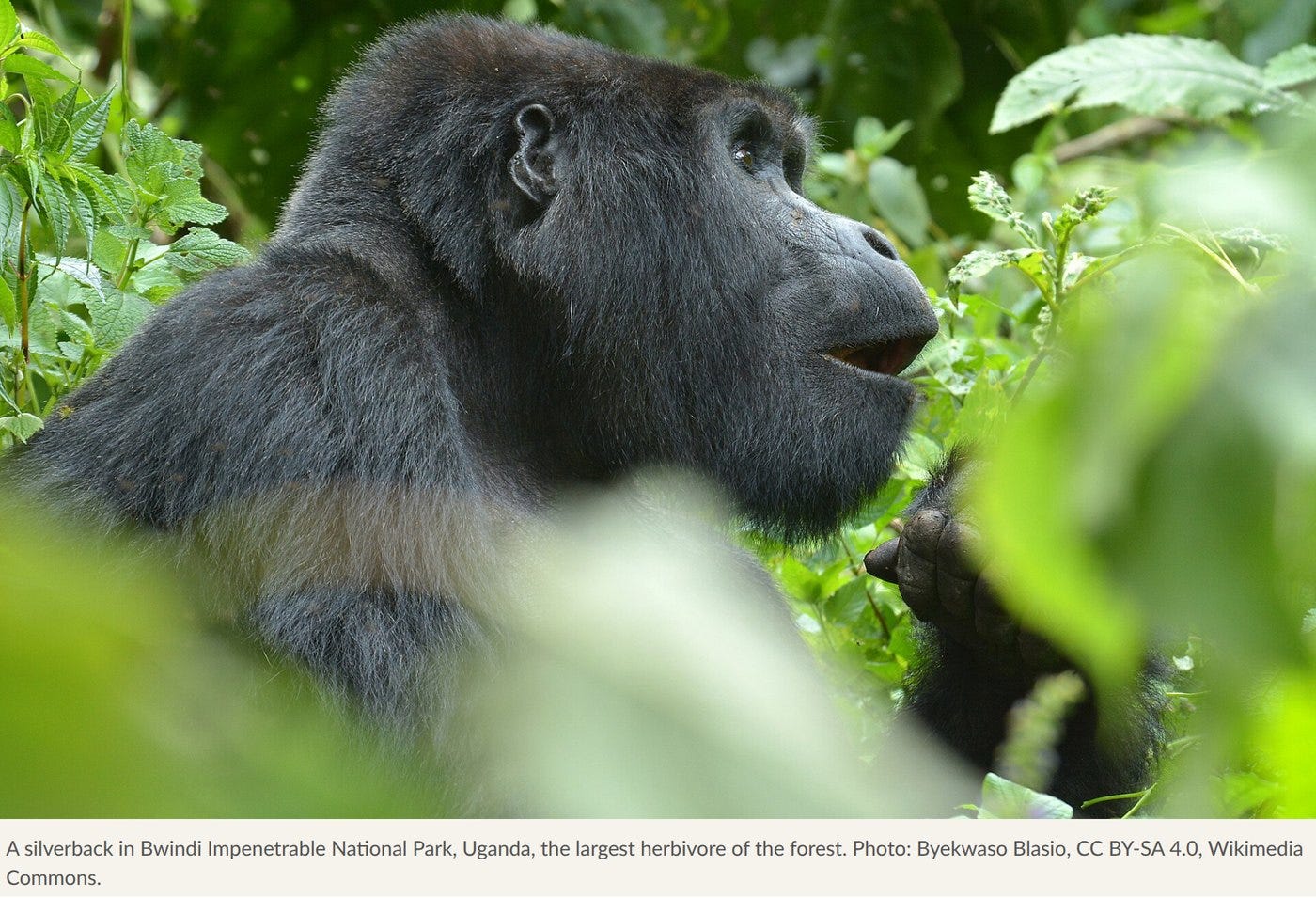
Look at our closest genetic relatives. The mountain gorilla is one of the most powerfully muscled animals on Earth. When leaves made up most of its diet, researchers found its protein intake relative to energy was “close to the maximum recommended for humans,” and they concluded that gorillas “over-eat protein” (Rothman et al., Biology Letters, 2011). Their muscle is built from leaves.
For a decade I have been developing a theory about this. I want to set it out plainly, show you the research it rests on, and explain how it became the basis of something we built.
The theory: the most regenerative part of any plant is the part that is still becoming. That is the meristem, the growing tip whose cells have not yet decided what to be. Those tissues hold growth signals at their most concentrated: plant hormones, steroid-like molecules, and growth factors that some of the best nutrition scientists of the 20th century found and never managed to name. When we eat young green tissue, we take in building material, and we may also take in growth information.

The Cell That Never Grew Old
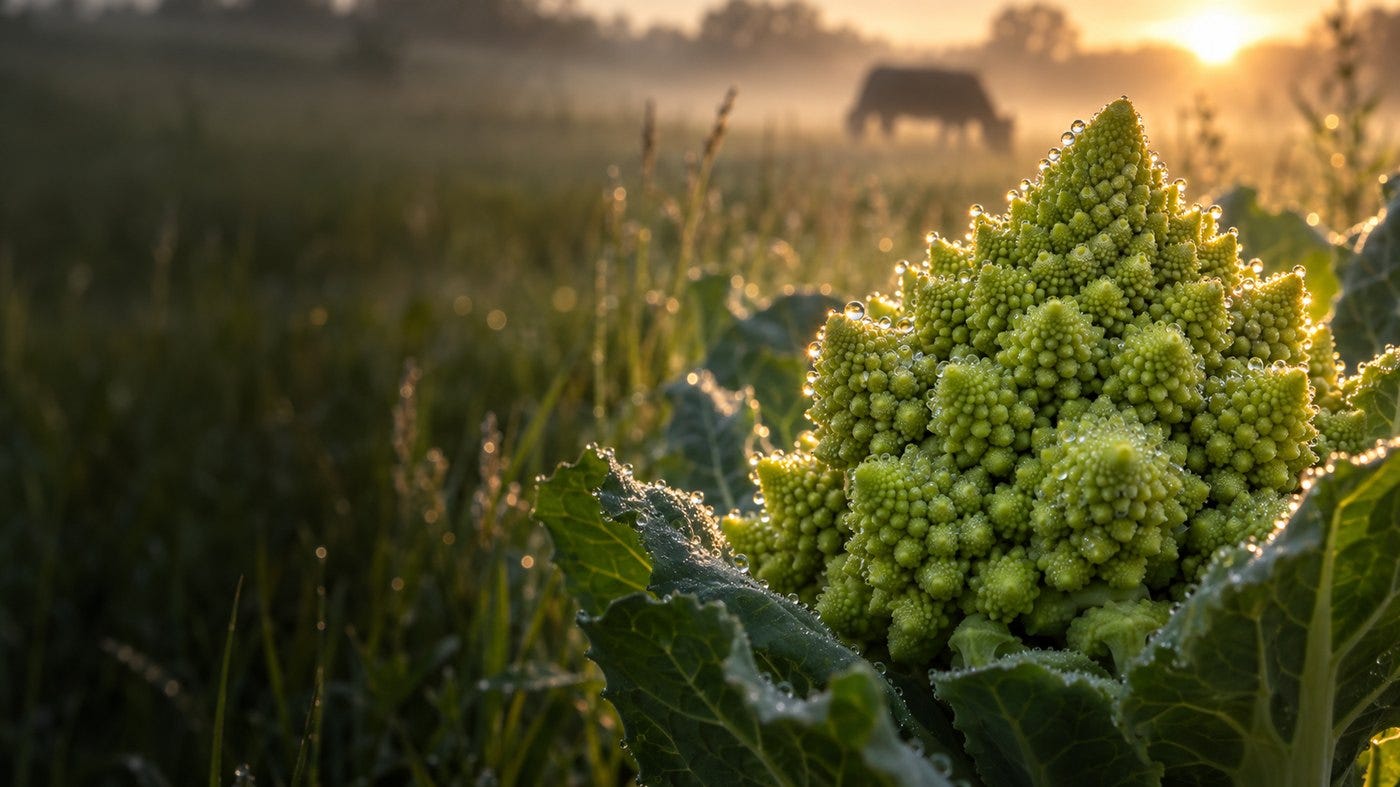
In The Immortal Fractal, I wrote about the meristematic cell at the tip of a Romanesco cauliflower. It is perpetually embryonic. It produces bud after bud in a self-similar spiral that graced the cover of my book REGENERATE.
The science behind that spiral is now well described. In 2021, a team led by Eugenio Azpeitia and François Parcy showed that the fractal florets are flower buds that never finish blooming. Each one starts to become a flower, fails, and reverts to a growing tip that starts the process again (Azpeitia et al., Science, 2021). Altering three genes in the lab plant Arabidopsis produced a miniature Romanesco-like curd (Science News).
Meristems are what plants have instead of aging the way we do. At the center of every shoot and root tip is a stem-cell niche that keeps its cells pluripotent, able to become any tissue, while their descendants go on to form leaves, stems and flowers (plant stem-cell niche review). Together those descendants make up much of the biomass on Earth (Frontiers in Plant Science, 2026).
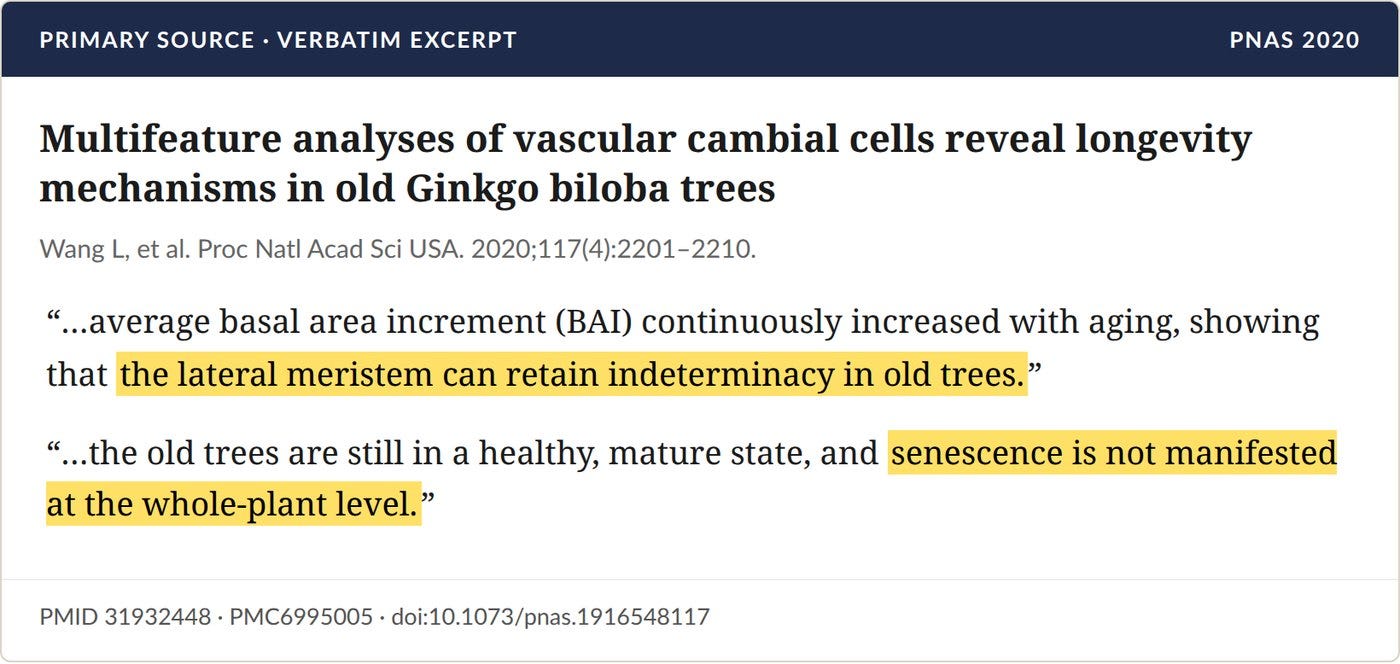
In 2020, researchers examined the growing tissue of Ginkgo biloba trees from 15 to 667 years old. Leaf area, photosynthetic efficiency and seed germination in the old trees matched the young trees. Senescence-related genes showed no consistent rise with age. The authors concluded that senescence “is not manifested at the whole-plant level” (Wang et al., PNAS, 2020).
THE TECHNICAL RECORD
The ginkgo study examined the vascular cambium, a lateral meristem, not shoot-tip buds. Cambial activity did slow with age: cell layers fell from about 11 to about 4, and growth-gene expression fell. What did not appear was a senescence program. The accurate phrasing is “growth slows, but aging does not switch on.”
Here is the bridge to nutrition. If the meristem is where a plant’s renewal is concentrated, the next question is whether animals that eat young growing tissue receive any of that renewal. The 20th-century literature contains a surprising answer.
1936: The Summer Milk Mystery
In the 1930s, dairy scientists at the University of Wisconsin were puzzled. Milk from cows grazing on summer pasture grew young animals better than winter milk from the same cows on stored feed.
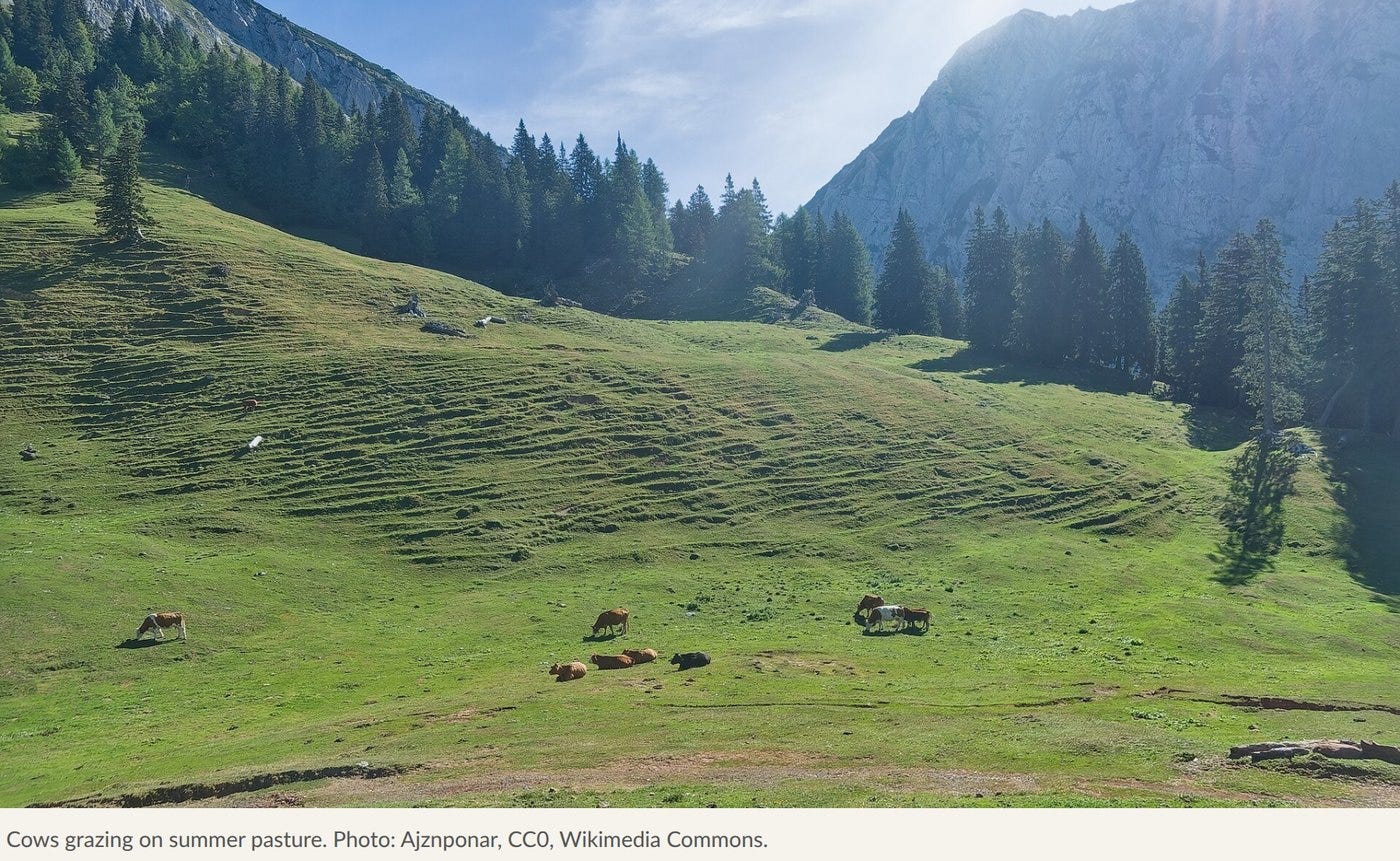
George Kohler, Conrad Elvehjem and Edwin Hart traced the difference to the grass. In 1936 they reported “Growth Stimulating Properties of Grass Juice” in Science (Kohler et al., Science, 1936). A year later they showed that rats on mineralized winter milk grew better when given just 3 grams of fresh grass, 3 cc of grass juice, or 0.6 grams of dried oat grass. They tested and excluded every vitamin then known (Kohler, Elvehjem and Hart, Journal of Nutrition, 1937).
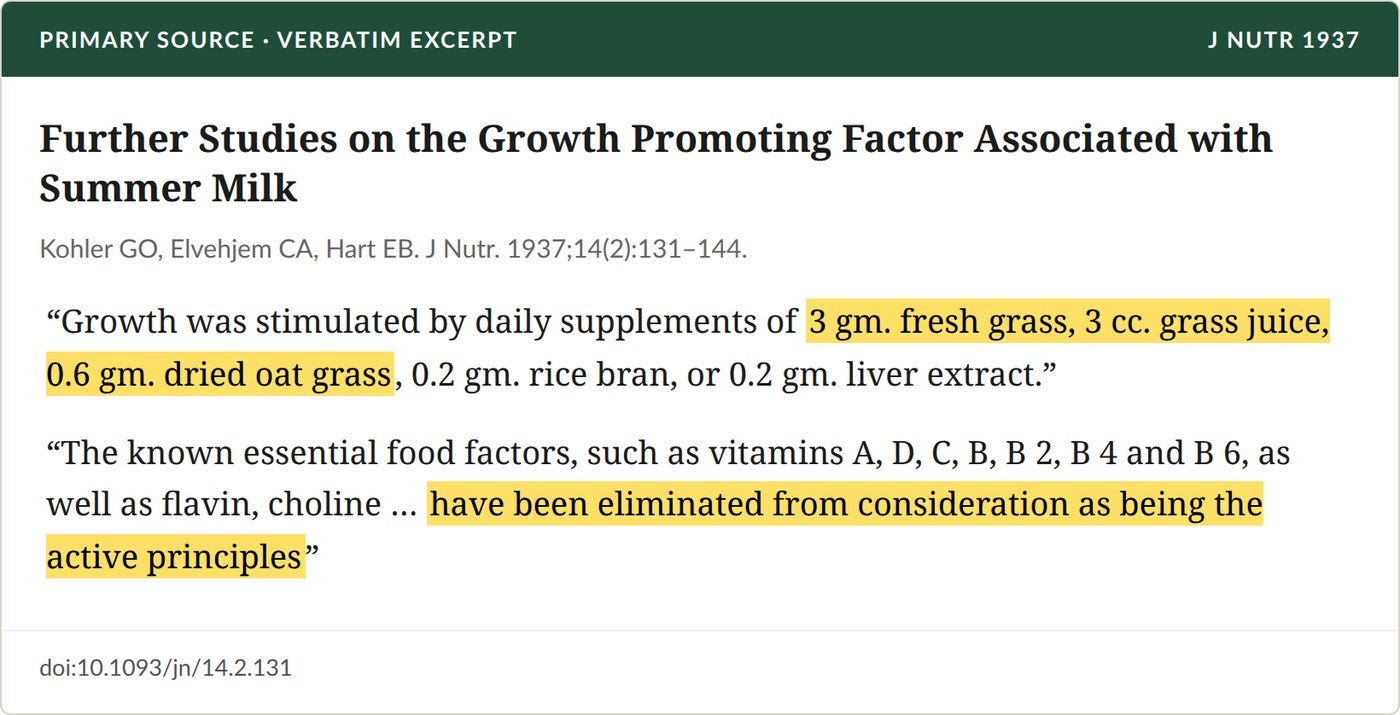
They called it the grass juice factor.
Then came the finding that matters most for my theory. In 1940 the Wisconsin group wrote that “the young rapidly metabolizing plant tissues are much richer in this growth promoting substance than the older and more mature plant material.” Animal tissues were a poor source (Randle, Sober and Kohler, Journal of Nutrition, 1940).
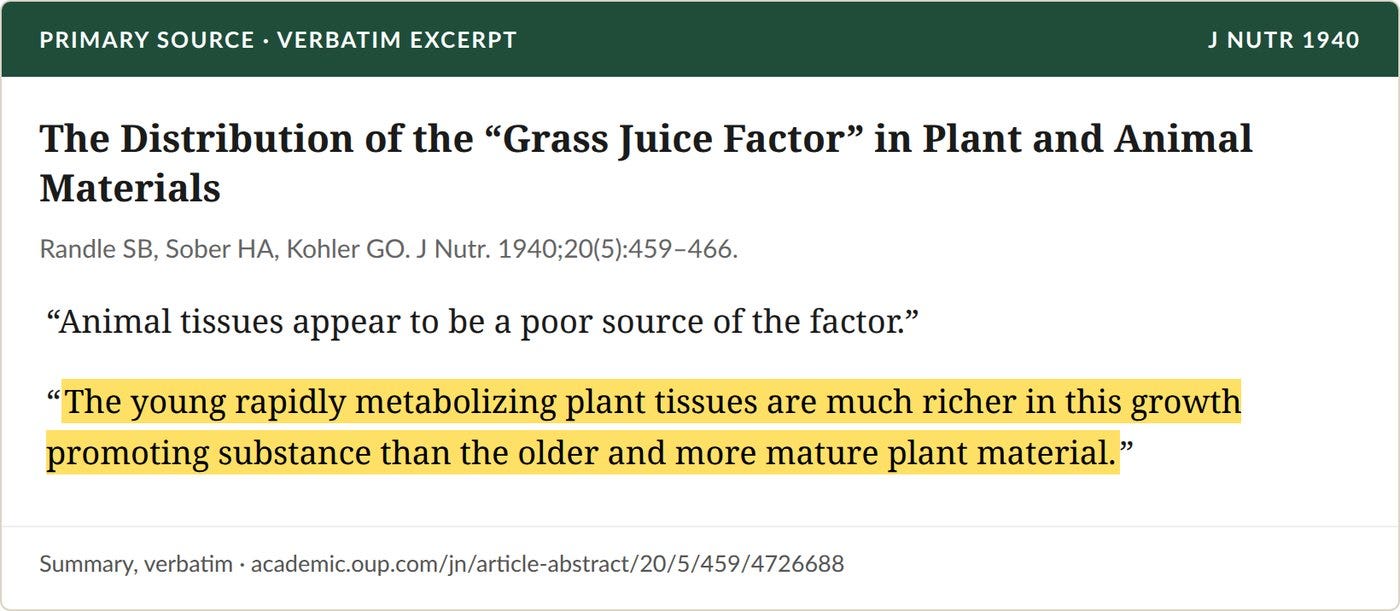
The growth factor was concentrated where the plant was growing.
The work continued for decades:
Poultry scientists found an unidentified growth factor in leafy green vegetation and forage juice, and drying destroyed it (Poultry Science, 1951).
In 1966, adding dehydrated alfalfa improved guinea-pig growth by up to 50 grams over three weeks. Broccoli and grass clippings carried the same activity, which was “distinct from all known” nutrients (Lakhanpal et al., Journal of Nutrition, 1966).
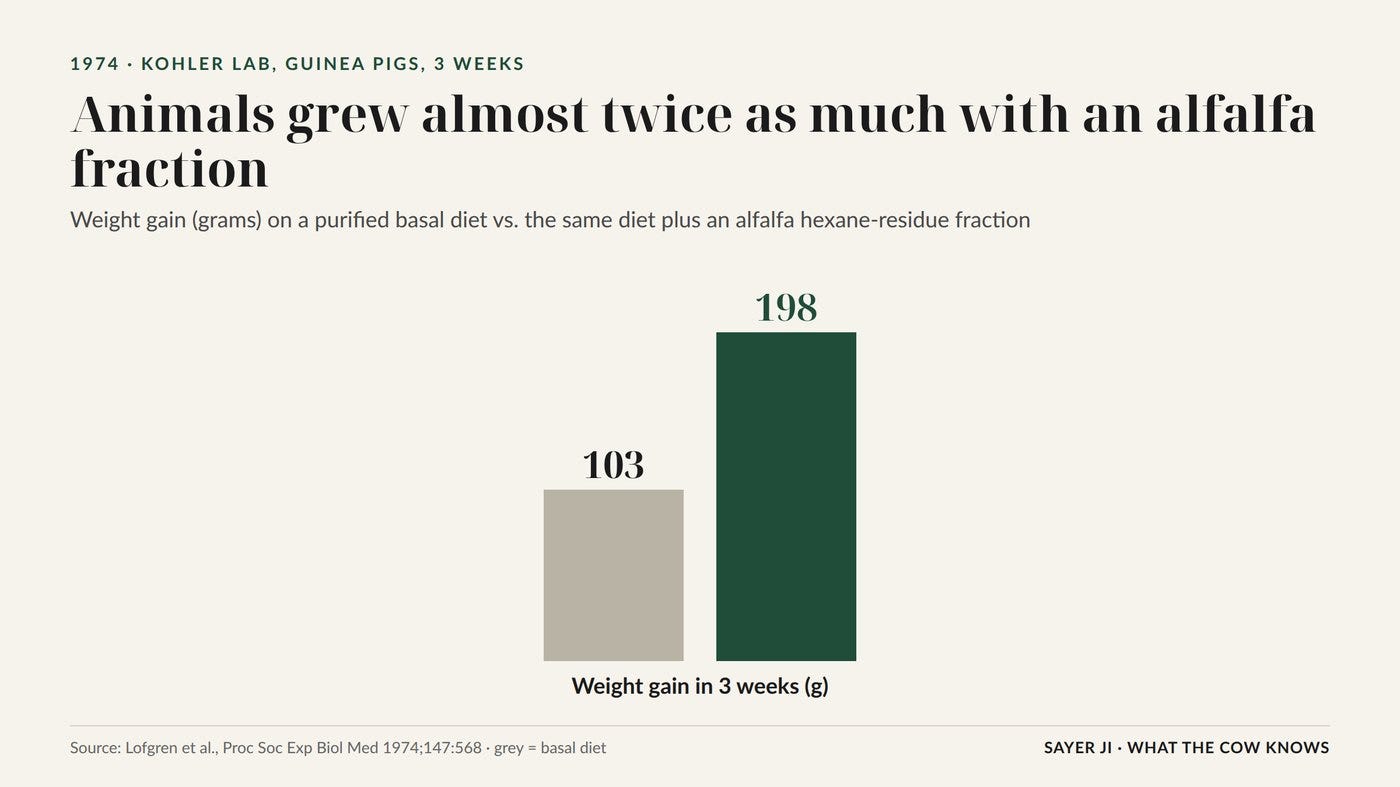
As late as 1974, Kohler’s own group reported a graded growth response. Animals on the basal diet gained 103 grams; animals given an alfalfa fraction gained 198 grams (Lofgren et al., 1974).
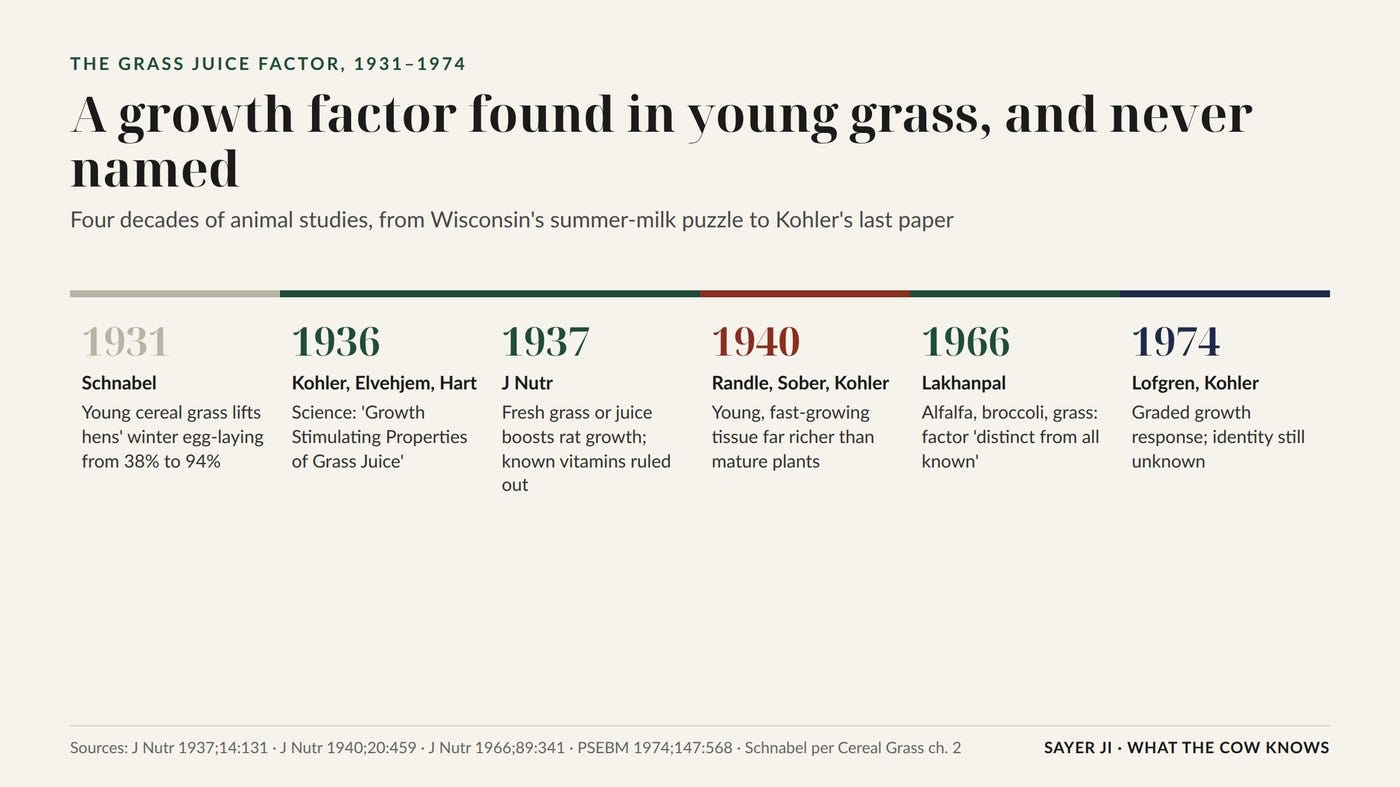
The factor was never identified. Interest faded, and the question was left open.
THE TECHNICAL RECORD
These are animal growth assays, mostly in guinea pigs, rats and poultry. In 1937, rice bran and liver extract also stimulated growth, and the faster-growing rats also drank more milk. Guinea pigs cannot make their own vitamin C and have unusual nutritional needs. Some of the effect may come from nutrients identified later, or from changes in gut microbes. No human trial has tested the grass juice factor. The open question, what young green tissue contains that makes animals grow, is exactly what modern metabolomics could now answer.
As with the forgotten wheat-sprout study that cleared cataracts in a month, science found a regenerative principle in young plant tissue and then stopped asking about it.
Subscribe to follow What the Cow Knows.
The Plant’s Own Growth Hormones
We now know some of what young plant tissue contains. Several plant compounds act on animal tissue in ways that look anabolic or regenerative.
Ecdysteroids: the Popeye molecule. Spinach makes 20-hydroxyecdysone (20E), a steroid that plants produce and that insects use as their molting hormone. Of the major food crops, spinach has the most, about 0.01% of fresh weight (Plants, 2020). In spinach it concentrates in the apical leaves and stems, the youngest growth (Brazilian Journal of Plant Physiology).
In mouse and human muscle cells, 20E raised protein synthesis by up to 20% (Gorelick-Feldman et al., 2008). It acts through estrogen receptor beta, not the androgen receptor (Parr et al., 2014).
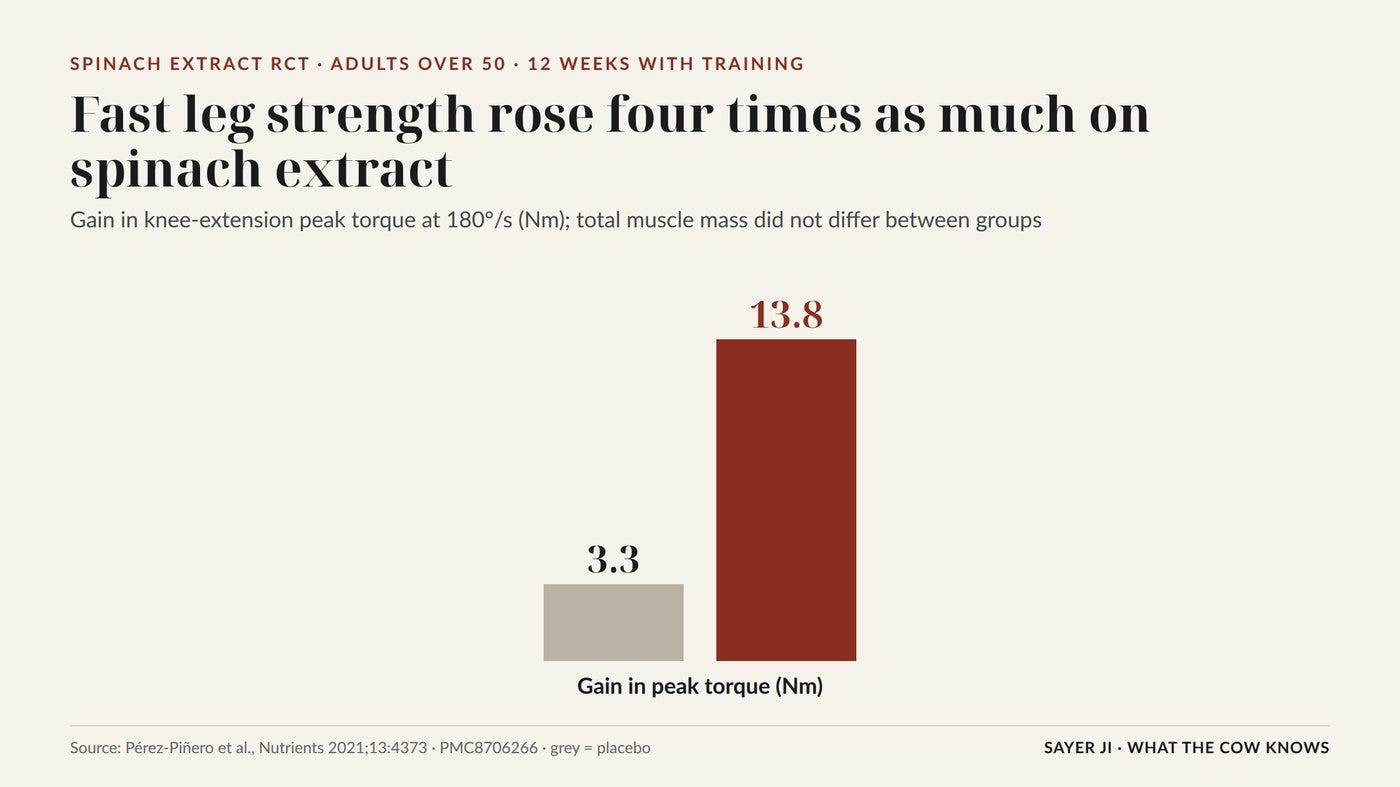
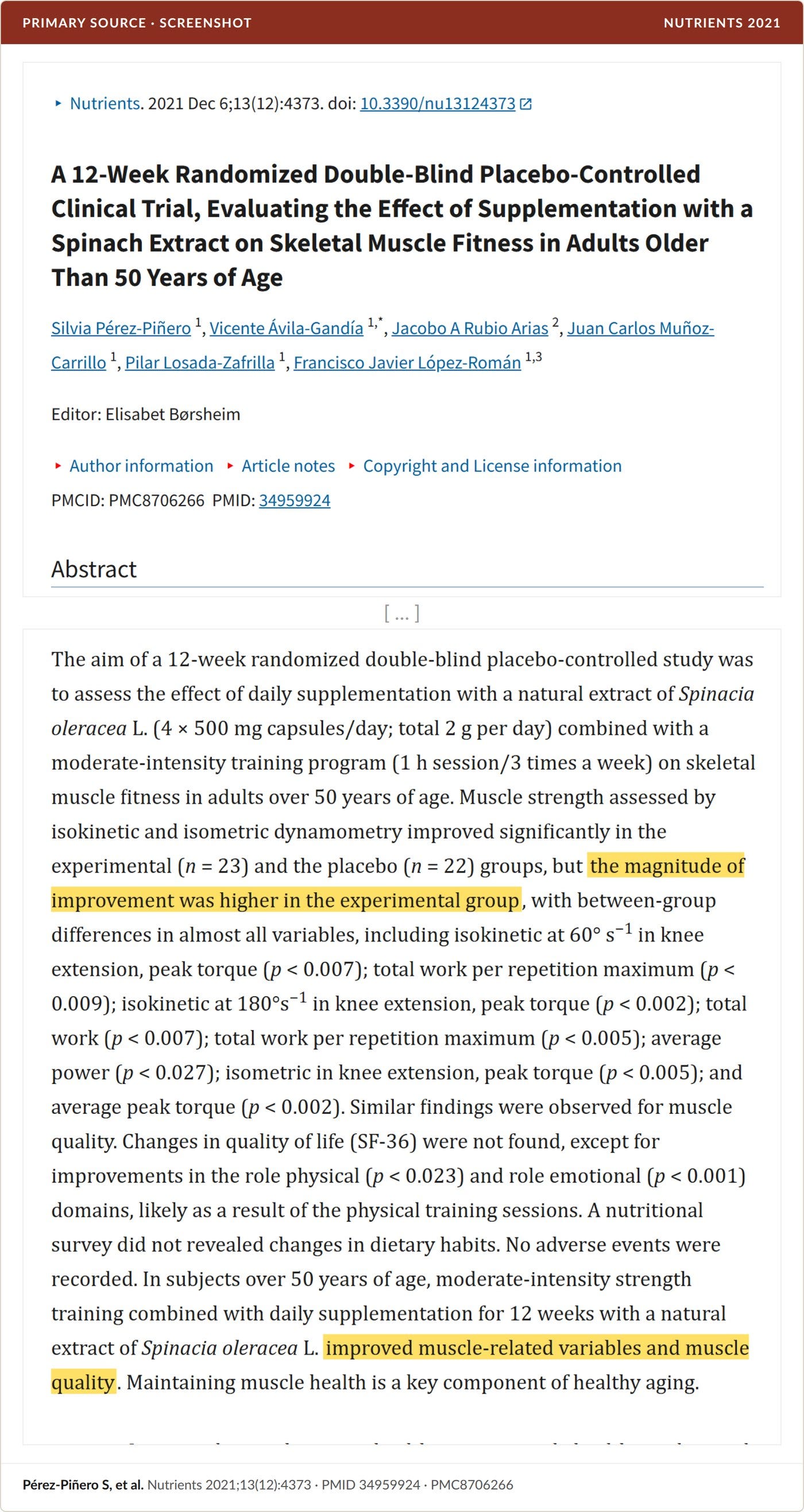
In adults over 50, a spinach extract taken with resistance training raised fast knee-extension strength from 58.6 to 72.4 Nm, compared with 60.9 to 64.2 Nm on placebo (Pérez-Piñero et al., Nutrients, 2021). The daily 20E dose was about 3.2 mg, roughly what a large handful of raw spinach contains.
In young men, ecdysterone produced greater gains in muscle mass and bench press than placebo (Isenmann et al., Archives of Toxicology, 2019).
The World Anti-Doping Agency now monitors ecdysterone under “Anabolic Agents” (WADA 2025 Monitoring Program). A molecule from salad greens is being watched by anti-doping authorities.
THE TECHNICAL RECORD
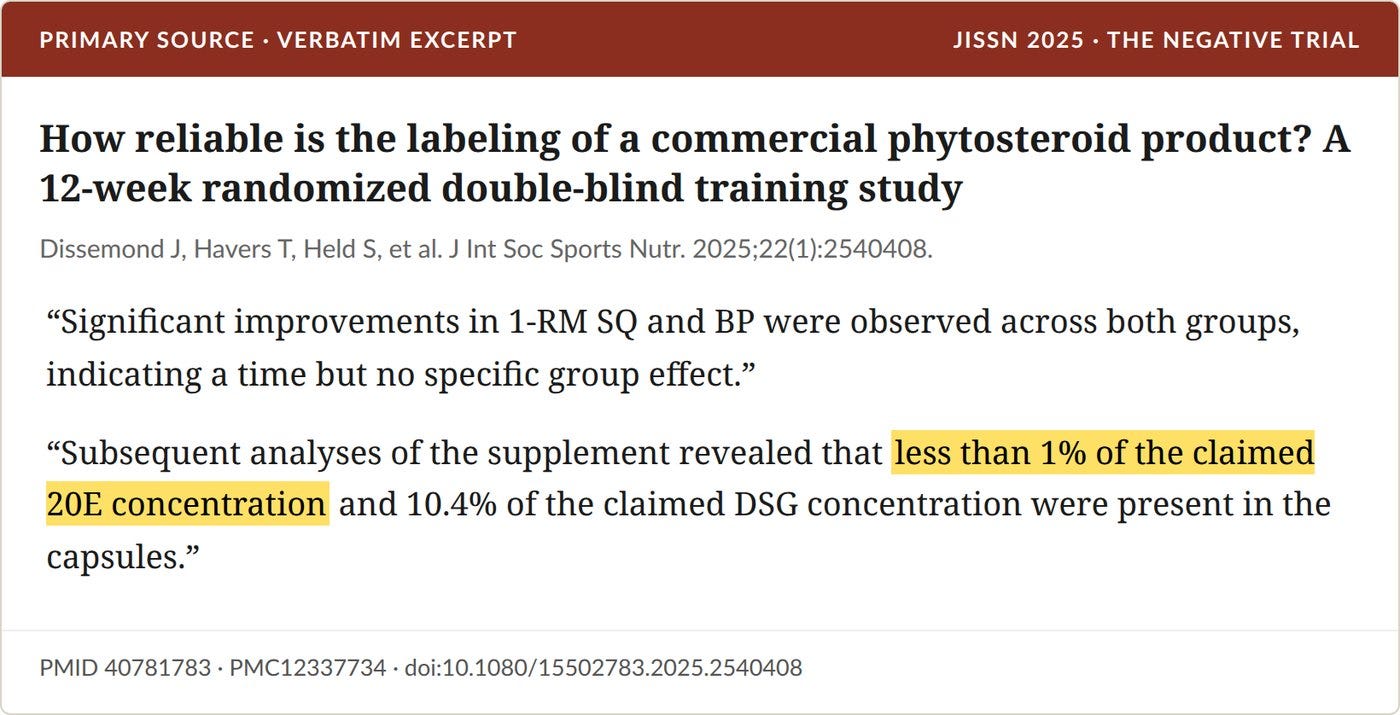
The evidence is mixed. In the spinach trial, strength and muscle quality improved but total muscle mass did not differ from placebo. A 2025 trial found no effect, but lab analysis showed its capsules held less than 1% of their labeled 20E (Dissemond et al., JISSN, 2025). A phase 2b drug trial of 20E in older adults with sarcopenia missed its primary endpoint (Fielding et al., JCSM, 2025). Cooking destroys most of spinach’s ecdysteroids (Dinan and Lafont).
Brassinosteroids and cytokinins: hormones of growing tissue.
Brassinosteroids are the plant kingdom’s growth-promoting steroid hormones, found throughout plants, including pollen, seeds and young vegetative tissue (UMK review). In rats, an oral brassinosteroid increased lean body mass and grip strength with minimal androgenic activity (Esposito et al., FASEB Journal, 2011).
Cytokinins are the plant hormones that drive cell division, and they are concentrated in the shoot apex and root tips. Kinetin and zeatin delayed the onset of aging markers in cultured human fibroblasts (cytokinins review; Plant Physiology).
The bud-medicine tradition. European herbalism has a name for working with this tissue. Gemmotherapy, or “bud medicine,” uses extracts from “fresh plant embryonic (meristematic) tissues including leaf and flower buds, young shoots, and sprouts.” A 2026 review notes that buds contain plant growth hormones “which in mature tissues are degraded or occur only in trace regulatory amounts” (Tomczyk and Dżugan, Molecules, 2026).
THE TECHNICAL RECORD
The same review cautions that buds do not always have higher totals than mature tissue. Blackcurrant leaves, for example, had more total phenolics than its buds. What sets buds apart is their hormonal profile and their biological activity, not their phenolic totals. Clinical evidence for gemmotherapy is preliminary.
Sprouts, the edible meristem.
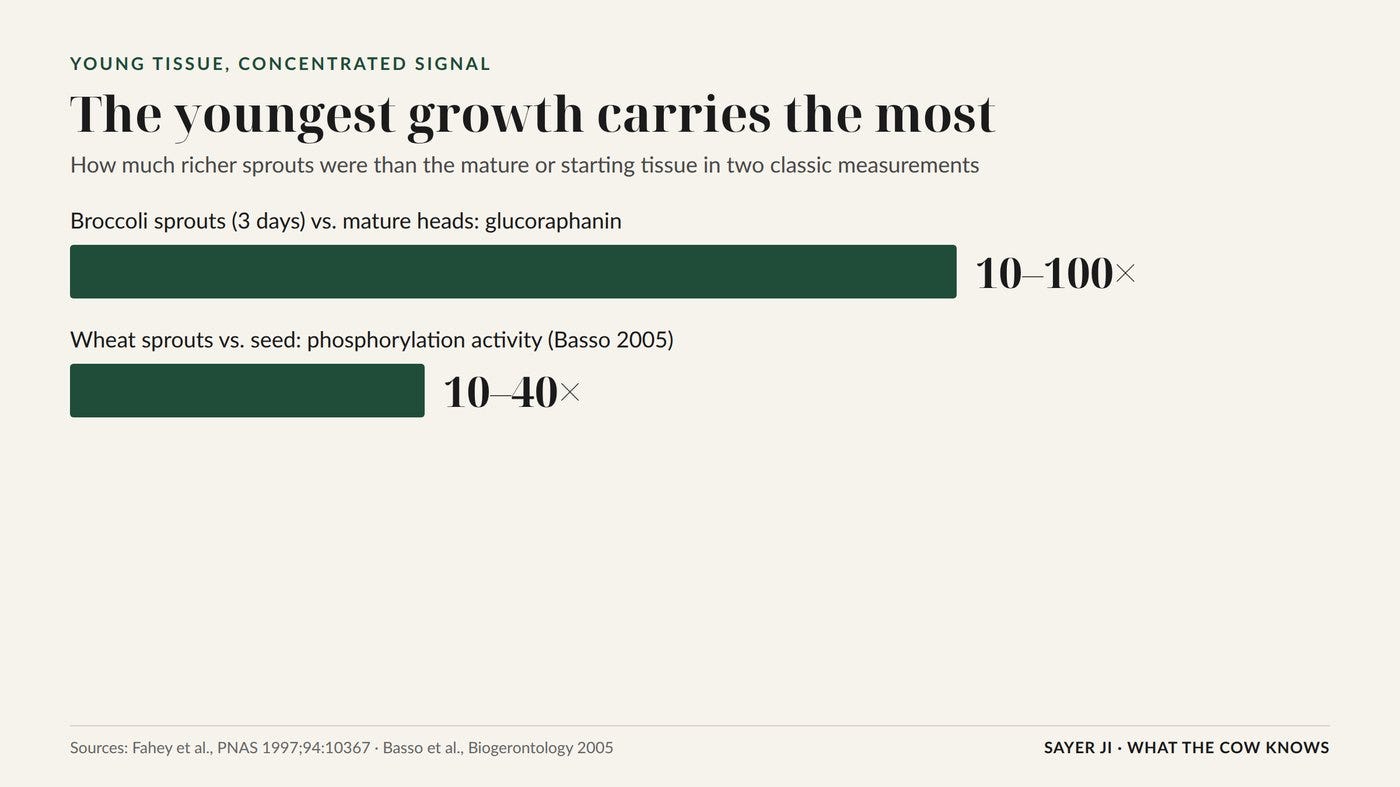
Three-day-old broccoli sprouts contain 10 to 100 times more glucoraphanin by weight than mature broccoli heads (Fahey et al., PNAS, 1997, as summarized in HortScience).
Wheat sprouts measured by Basso and colleagues had 10 to 40 times the phosphorylation activity of the seed (Nature’s Original Peptide).
A wheat-sprout extract suppressed drug-induced muscle wasting in cells and mice (Jo et al., Journal of Medicinal Food, 2024).
From Plant Stem Cells to Our Stem Cells
The most direct evidence that young plant material can speak to our own regenerative cells comes from an unexpected direction.
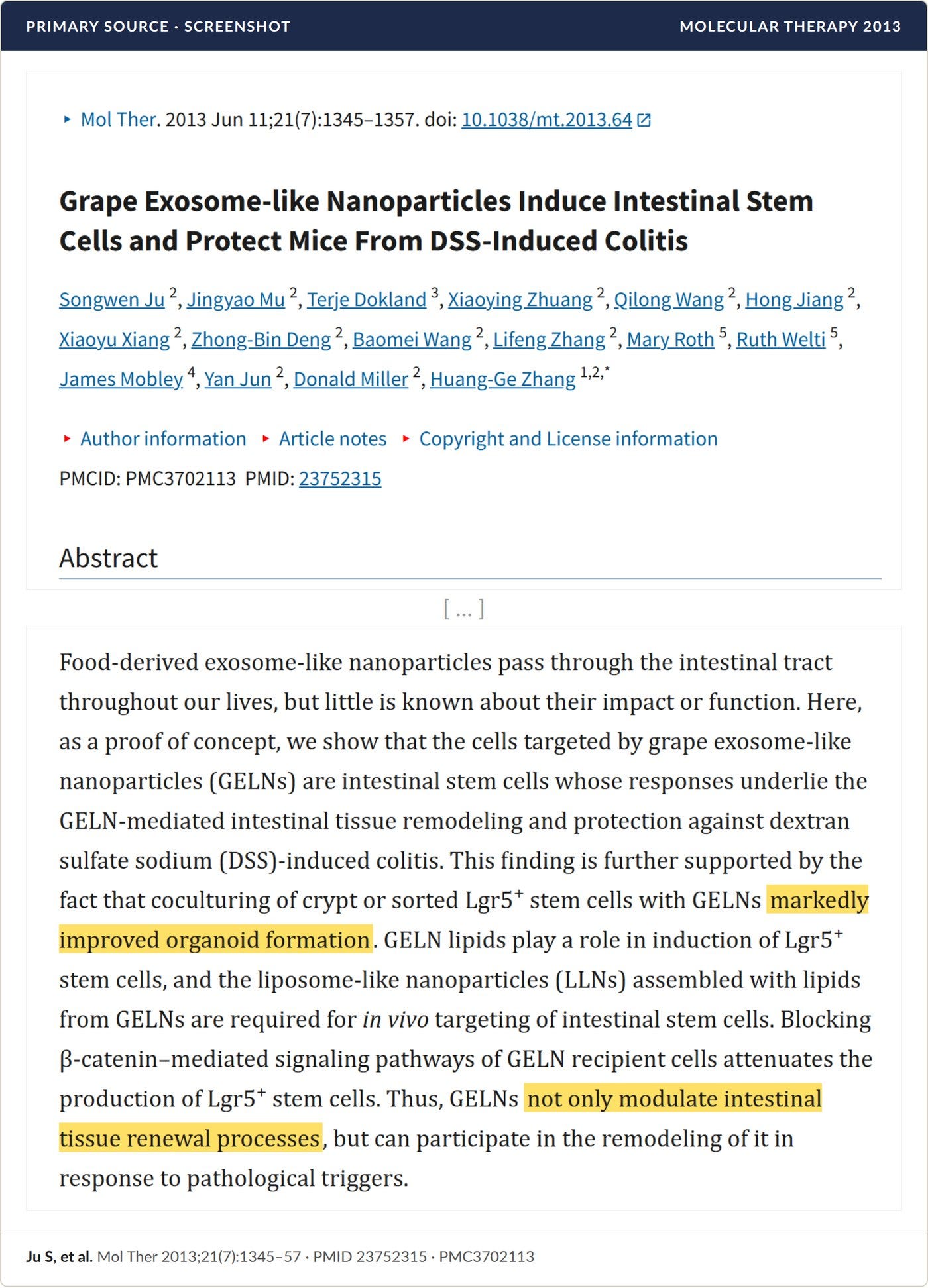
Every plant cell releases tiny lipid packets, nanovesicles, that carry RNA, proteins and metabolites. In 2013, researchers showed that nanoparticles from grapes travel through the gut and are taken up by intestinal stem cells. There they “markedly improved” the growth of mini-gut organoids, increased Lgr5+ stem cells, and protected mice against chemically induced colitis. The researchers concluded that these food particles “not only modulate intestinal tissue renewal processes, but can participate in the remodeling of it” (Ju et al., Molecular Therapy, 2013).
A growing literature now describes plant-derived nanovesicles as able to promote “cell growth, migration, and differentiation into various types of tissues” (PMC review, 2023).
In other words, a plant’s own messages can reach the stem cells of the animal that eats it. That is the core of my theory in measurable form.
THE TECHNICAL RECORD
These results come from mice and organoids. The grape particles came from fruit, not specifically from meristem tissue. Whether particular nanovesicles survive drying, fermentation or tableting has not been established.
The Cow’s Real Secret: Partnership
Now back to the pasture. A cow is not building itself from grass alone. Its rumen holds a vast microbial culture that ferments grass into microbial protein. That microbial protein supplies about half of the cow’s metabolizable protein (invited review). The cow also returns 40 to 80% of its urea to the gut, where microbes rebuild it into protein (Lapierre and Lobley, Journal of Dairy Science, 2001).
The cow’s growth comes from green plants plus living partners that transform them.
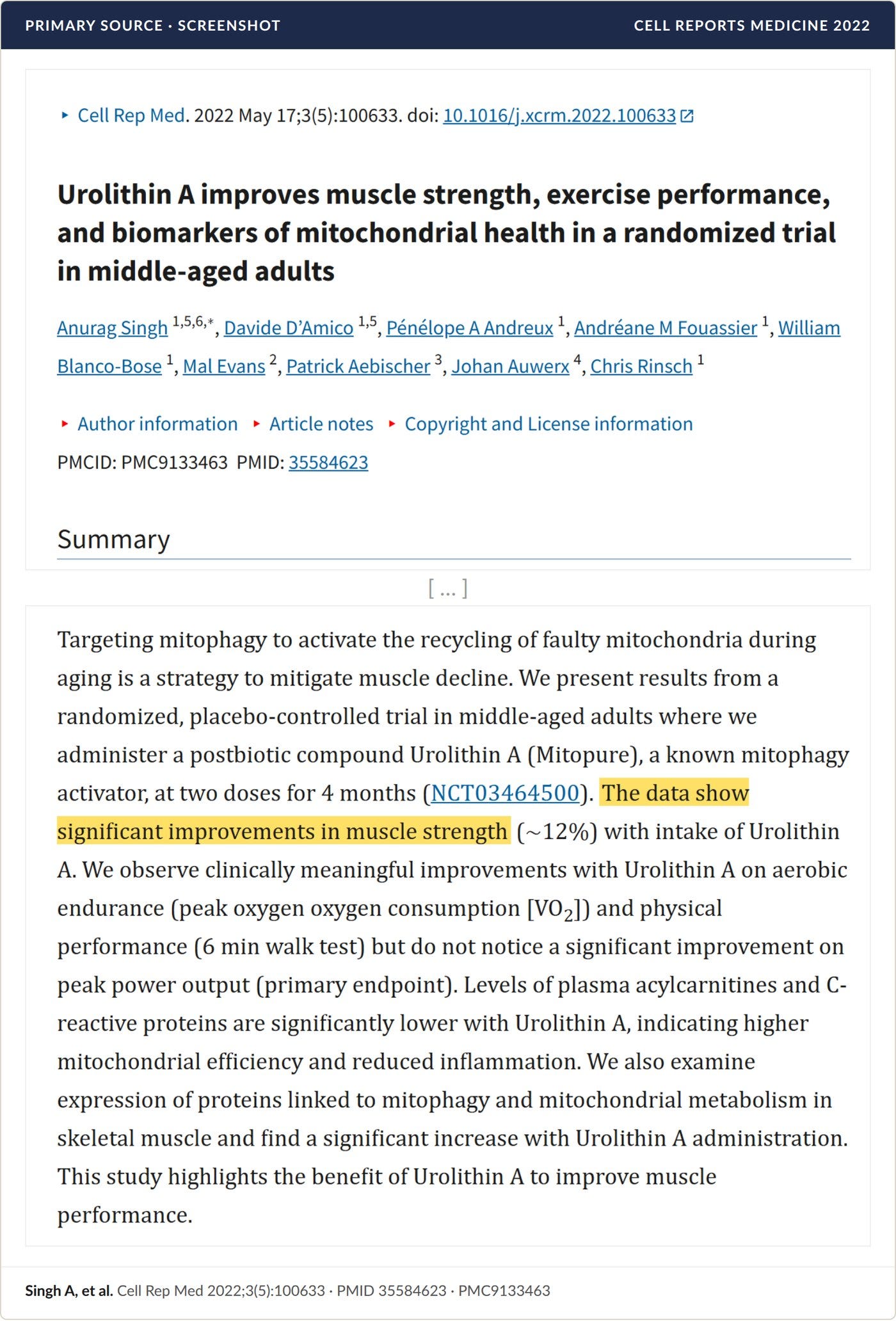
We see the same pattern in human nutrition. Pomegranate is rich in ellagitannins. Gut microbes convert those into urolithin A, which helps cells recycle damaged mitochondria. In a four-month randomized trial in middle-aged adults, urolithin A at 500 to 1,000 mg a day raised hamstring strength by about 10 to 12%, while the placebo group declined (Singh et al., Cell Reports Medicine, 2022). Only about 15% of participants had urolithin A in their blood at baseline. The food is necessary, but the microbial partner completes it.
THE TECHNICAL RECORD
The urolithin A trial used a purified compound at 500 to 1,000 mg/day, not pomegranate food, and it missed its primary endpoint, peak power output. A 2025 pooled analysis judged the evidence on muscle function still insufficient (medRxiv preprint). Humans do not fix nitrogen the way some microbes can: measured gut nitrogen fixation covered at most 0.01% of human needs (Igai et al., Scientific Reports, 2016).
That led to the design question we asked ourselves. What if we paired the plant’s youngest tissue with a living fungal partner, the way the cow pairs grass with its microbes?
BIOSTEM: Meristem Grown Into a Multivitamin
That question became the BioStem Cell Blend™, the regenerative core of the Regenerate Men’s Multi and Regenerate Women’s Multi.
Disclosure: I am a founder of Regenerate Company, and I developed these formulas with my team.
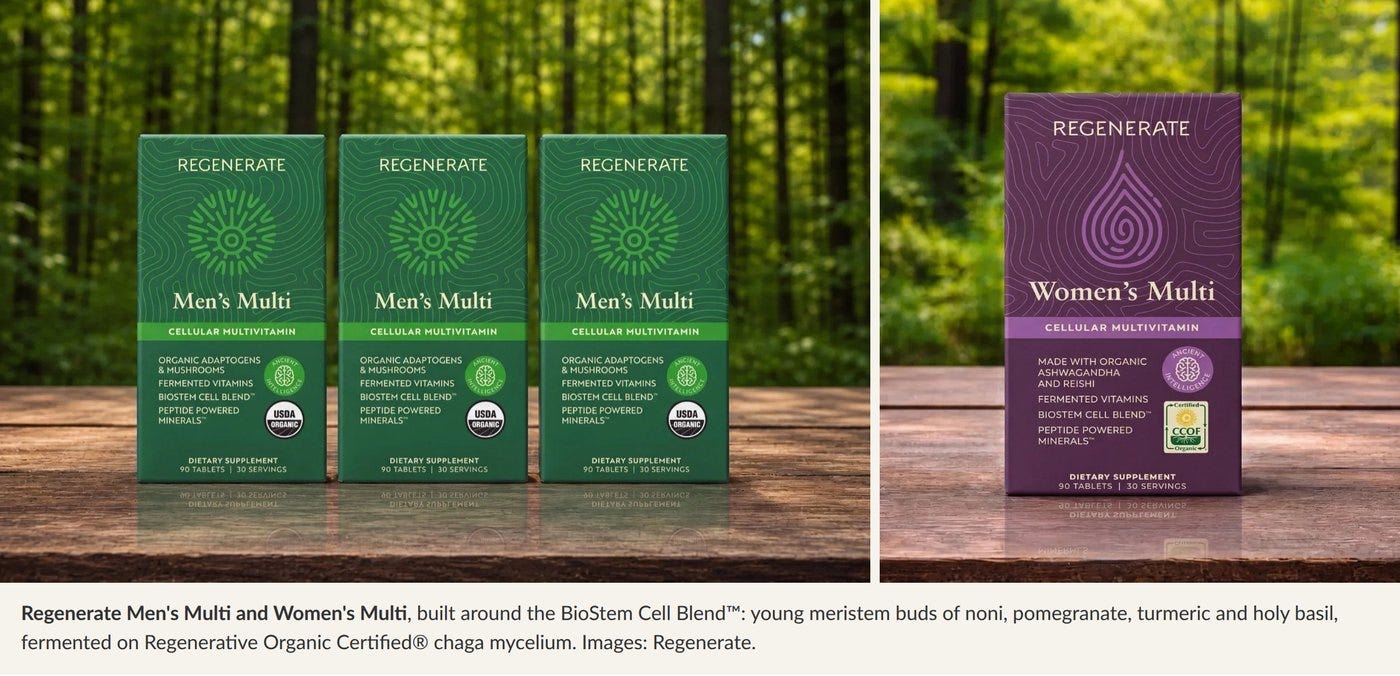
What it is. We harvest organic noni, pomegranate, turmeric and holy basil as young buds, “meristem tissue, nature’s plant stem cells, each one carrying everything it needs to become an entire plant” (Regenerate). Instead of extracting those buds and drying them into an isolate, we ferment them on Regenerative Organic Certified® chaga (Inonotus obliquus) mycelium, a fungus rich in melanin (Regenerate), and while doing so, use all twelve colors of the rainbow and cymatically infuse the growth medium with whole tones music. Each plant was chosen for a reason that ties back to this article:
Holy basil leaf contains roughly 0.5 to 2% ursolic acid (ursolic acid review). In mice, ursolic acid reduced muscle atrophy and caused muscle growth (Adams lab review).
Pomegranate supplies the ellagitannins that gut microbes turn into urolithin A.
Noni juice increased time-to-fatigue by 21% in trained athletes in a placebo-controlled trial (noni review).
Turmeric is the most clinically studied polyphenol in the research on muscle aging (Applied Sciences review, 2026).
Why chaga. Chaga’s dark outer mass is melanin-rich mycelium (comparative chaga study). Melanin-rich fungi do remarkable things with energy. Melanized fungi from Chernobyl’s reactor grow better when exposed to ionizing radiation (Dadachova et al., PLoS ONE, 2007). In my essay We Are Beings of Light, I asked whether melanin is a kind of metabolic counterpart to chlorophyll. Pairing the plant’s light-built meristem with a fungus that captures light is my way of putting that question into a formula.
Fungal fermentation also changes what plants contain. Solid-state fermentation of turmeric with a fungus increased its solubility, phenolic content and antioxidant activity compared with unfermented turmeric (Mohamed et al., Bioscience, Biotechnology, and Biochemistry, 2016). Like the rumen, fermentation is where food is transformed.
Grown in a composed field. The blend grows under all 12 colors of the visible spectrum and the 12 semitones of a musical octave (Regenerate). Plants read light through phytochrome and cryptochrome receptors. Growers already tune light spectra to change plant chemistry. I explain the reasoning, and the open questions, in Beauty Is an Ingredient in Our Multivitamin.
Beauty Is an Ingredient in our Multivitamin

Why BIOSTEM is grown inside twelve colors and deliberate sound — and why beauty is a production standard, not a garnish
We are now testing that reasoning. Batches grown in the composed field are being compared with batches grown under standard conditions, using full-spectrum metabolomics. We will publish what we find.
Inside a complete formula. BIOSTEM sits inside a whole-food multivitamin. Each formula contains:
fermented organic vitamins;
Peptide Powered Minerals™ paired with organic spirulina, the same algae that matched a reference protein for building muscle protein in a 2023 human trial;
organic mushroom extracts;
KSM-66® ashwagandha in both formulas, and SRI-81™ shatavari in the women’s formula.
On the label, the BioStem Cell Blend provides antioxidant support and helps the body defend against everyday oxidative stress.†
Explore the Regenerate multivitamins
What This Means for Your Plate
You don’t need a supplement to start living this theory. You can eat like the growing tip:
Eat some greens raw every day. Spinach’s ecdysteroids are largely lost in cooking.
Choose young plants. Sprouts, microgreens, baby leaves, young cereal grasses and buds are where growth signals concentrate.
Eat nitrate-rich leaves. About a cup of leafy greens a day was linked with 11% stronger leg muscles in a 12-year Australian study (Sim et al., 2021).
Feed your microbial partners. Fermented foods, fiber and polyphenols help turn green food into usable compounds.
Give the signals something to act on. In most of the human trials, the benefits showed up alongside resistance training.
The Question Science Left Open
In 1940, three Wisconsin scientists wrote that the youngest, fastest-growing plant tissues were richest in a growth factor they could measure but never name. Eighty-six years later, the factor still has no name.
My theory is that they were looking at a single expression of a broader principle. The meristem is where life renews itself most completely. In the cow, the gorilla, the sprout and the bud, green tissue does more than protect us. It carries information about growth.
Green is not only protective. It is instructive.
† These statements have not been evaluated by the Food and Drug Administration. This product is not intended to diagnose, treat, cure, or prevent any disease. This article is for education and is not medical advice.


Sources
Rothman et al., Biology Letters, 2011: https://royalsocietypublishing.org/doi/10.1098/rsbl.2011.0321
The Immortal Fractal: https://read.sayerji.com/p/the-immortal-fractal-how-meristem
Azpeitia et al., Science, 2021: https://hal.science/hal-03291136v1/document
Science News: https://www.sciencenews.org/article/romanesco-cauliflower-fractal-spiral-genetics-biology
plant stem-cell niche review: https://pmc.ncbi.nlm.nih.gov/articles/PMC9659954/
Frontiers in Plant Science, 2026: https://www.frontiersin.org/journals/plant-science/articles/10.3389/fpls.2026.1777664/full
Wang et al., PNAS, 2020: https://pmc.ncbi.nlm.nih.gov/articles/PMC6995005/
Kohler et al., Science, 1936: https://doi.org/10.1126/science.83.2158.445
Kohler, Elvehjem and Hart, Journal of Nutrition, 1937: https://academic.oup.com/jn/article/14/2/131/4725393
Randle, Sober and Kohler, Journal of Nutrition, 1940: https://academic.oup.com/jn/article-abstract/20/5/459/4726688
Poultry Science, 1951: https://doi.org/10.3382/PS.0300484
Lakhanpal et al., Journal of Nutrition, 1966: https://academic.oup.com/jn/article-abstract/89/3/341/4775997
Lofgren et al., 1974: https://www.ebm-journal.org/journals/experimental-biology-and-medicine/articles/10.3181/00379727-147-38336/pdf
forgotten wheat-sprout study that cleared cataracts in a month: https://greenmedinfo.com/content/natures-original-peptide-the-forgotten-aging-study-that-cleared-cataracts-in-a-month
Plants, 2020: https://pmc.ncbi.nlm.nih.gov/articles/PMC7356866/
Brazilian Journal of Plant Physiology: https://www.scielo.br/j/bjpp/a/FrYqVcrBL6jXwn6GNRDJXXP/?lang=en
Gorelick-Feldman et al., 2008: https://pubmed.ncbi.nlm.nih.gov/18444661/
Parr et al., 2014: https://onlinelibrary.wiley.com/doi/full/10.1002/mnfr.201300806
Pérez-Piñero et al., Nutrients, 2021: https://pmc.ncbi.nlm.nih.gov/articles/PMC8706266/
Isenmann et al., Archives of Toxicology, 2019: https://pubmed.ncbi.nlm.nih.gov/31123801/
WADA 2025 Monitoring Program: https://www.wada-ama.org/sites/default/files/2024-09/2025_list_monitoring_program_en_final_clean_11_september_2024.pdf
Dissemond et al., JISSN, 2025: https://pmc.ncbi.nlm.nih.gov/articles/PMC12337734/
Fielding et al., JCSM, 2025: https://pmc.ncbi.nlm.nih.gov/articles/PMC11873539/
Dinan and Lafont: https://www.biophytis.com/wp-content/uploads/2025/10/2020_Dietary_phytoecdysteroids_Dinan20La.pdf
UMK review: https://repozytorium.umk.pl/server/api/core/bitstreams/1638167a-c898-4fec-87c4-bcba0d5747b9/content
Esposito et al., FASEB Journal, 2011: https://doi.org/10.1096/fj.11-181271
cytokinins review: https://pmc.ncbi.nlm.nih.gov/articles/PMC9003334/
Plant Physiology: https://pmc.ncbi.nlm.nih.gov/articles/PMC526267/
Tomczyk and Dżugan, Molecules, 2026: https://pmc.ncbi.nlm.nih.gov/articles/PMC13209541/
Fahey et al., PNAS, 1997, as summarized in HortScience: https://journals.ashs.org/downloadpdf/view/journals/hortsci/40/1/article-p50.pdf
Jo et al., Journal of Medicinal Food, 2024: https://pubmed.ncbi.nlm.nih.gov/39388119/
Ju et al., Molecular Therapy, 2013: https://pmc.ncbi.nlm.nih.gov/articles/PMC3702113/
PMC review, 2023: https://pmc.ncbi.nlm.nih.gov/articles/PMC10668476/
invited review: https://pmc.ncbi.nlm.nih.gov/articles/PMC13441314/
Lapierre and Lobley, Journal of Dairy Science, 2001: https://www.journalofdairyscience.org/article/S0022-0302(01)70222-6/pdf
Singh et al., Cell Reports Medicine, 2022: https://pmc.ncbi.nlm.nih.gov/articles/PMC9133463/
medRxiv preprint: https://www.medrxiv.org/content/10.1101/2025.07.10.25331277v1.full
Igai et al., Scientific Reports, 2016: https://www.nature.com/articles/srep31942
Regenerate Men’s Multi: https://regeneratecompany.com/products/mens-multi
Regenerate Women’s Multi: https://regeneratecompany.com/products/womens-multi
ursolic acid review: https://pmc.ncbi.nlm.nih.gov/articles/PMC11786699/
Adams lab review: https://pmc.ncbi.nlm.nih.gov/articles/PMC5512448/
noni review: https://pmc.ncbi.nlm.nih.gov/articles/PMC5920423/
Applied Sciences review, 2026: https://www.mdpi.com/2076-3417/16/14/7338
comparative chaga study: https://pmc.ncbi.nlm.nih.gov/articles/PMC11988691/
Dadachova et al., PLoS ONE, 2007: https://einsteinmed.edu/uploadedfiles/casadevall/2007/8.pdf
We Are Beings of Light: https://read.sayerji.com/p/we-are-creatures-of-light
Mohamed et al., Bioscience, Biotechnology, and Biochemistry, 2016: https://academic.oup.com/bbb/article-abstract/80/5/920/5939022
Beauty Is an Ingredient in Our Multivitamin:

2023 human trial: https://pmc.ncbi.nlm.nih.gov/articles/PMC10739781/
Explore the Regenerate multivitamins:
https://www.regeneratecompany.com
Sim et al., 2021: https://www.sciencedaily.com/releases/2021/03/210324132309.htm
Hero illustration: AI-generated (GPT Image 2.5). Photos: Richard Bartz (CC BY-SA 2.5), Byekwaso Blasio (CC BY-SA 4.0), Ajznponar (CC0), Wikimedia Commons. Product images: Regenerate. Study screenshots: PubMed Central.
Thank you Sayerji. Awesome & simplistic way of explaining truthfully about "meristem" and mamalian cow relationship. Cow complains but converts green into a gift to humankind as milk.
What about Weston Price's factor X present in fast growing grass leaves