


The story of a 2003 study that should have changed radiation care, and what happened when others tried to repeat it
Twenty-three years ago, a study was published that should have changed cancer care forever.
It didn’t.
Not because the result was small. Not because nobody could repeat it. Not because the treatment was dangerous, expensive, or hard to find.
It was a jar of honey.
I have spent more than two decades indexing over 100,000 studies on food and natural medicine at GreenMedInfo. This one belongs on the short list of the most important studies I have ever found.
What the study showed
If you have never watched someone go through radiation for head and neck cancer, here is the part nobody puts on a brochure.
The radiation that targets a tumor in the throat or mouth also passes through the soft lining of the mouth, day after day, for six or seven weeks. That lining breaks down. It turns red, then raw, then ulcerated. This is called oral mucositis. Up to 91% of patients getting head and neck radiation develop it.
At its worst (grade 3 or 4), patients can’t eat solid food or swallow comfortably. They lose weight. Some need feeding tubes or strong pain medication. Some have to pause their cancer treatment.
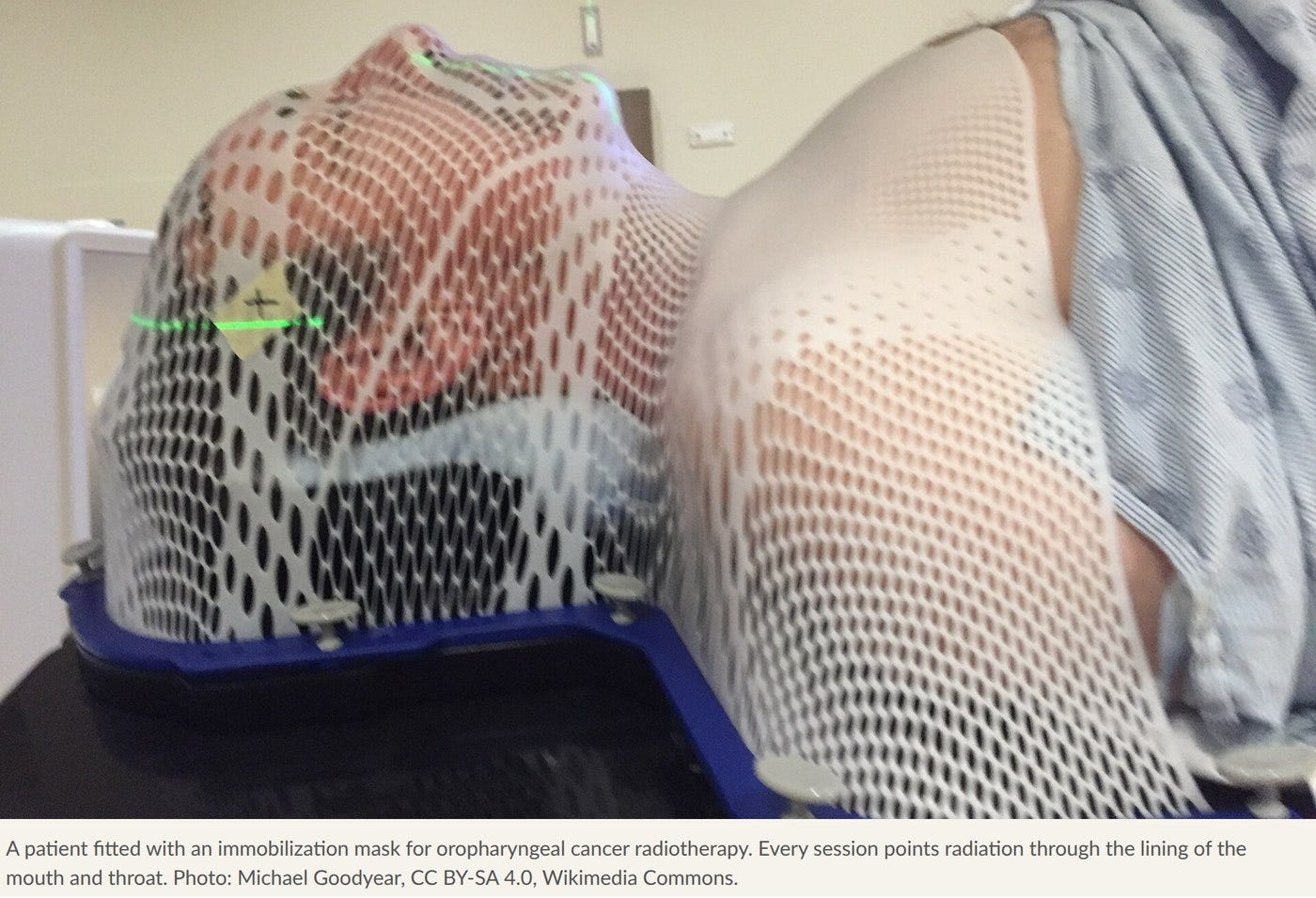
In 2000 and 2001, a team at Universiti Sains Malaysia led by B.M. Biswal tried something almost embarrassingly simple. They took 40 patients with head and neck cancer, all scheduled for 60 to 70 Gy of radiation, and split them into two groups of 20.
Both groups got the full radiation course. One group also got honey.
The dose was absurdly modest. 20 ml of pure natural honey, about four teaspoons, rinsed around the mouth and swallowed 15 minutes before each radiation session, 15 minutes after, and again six hours later.
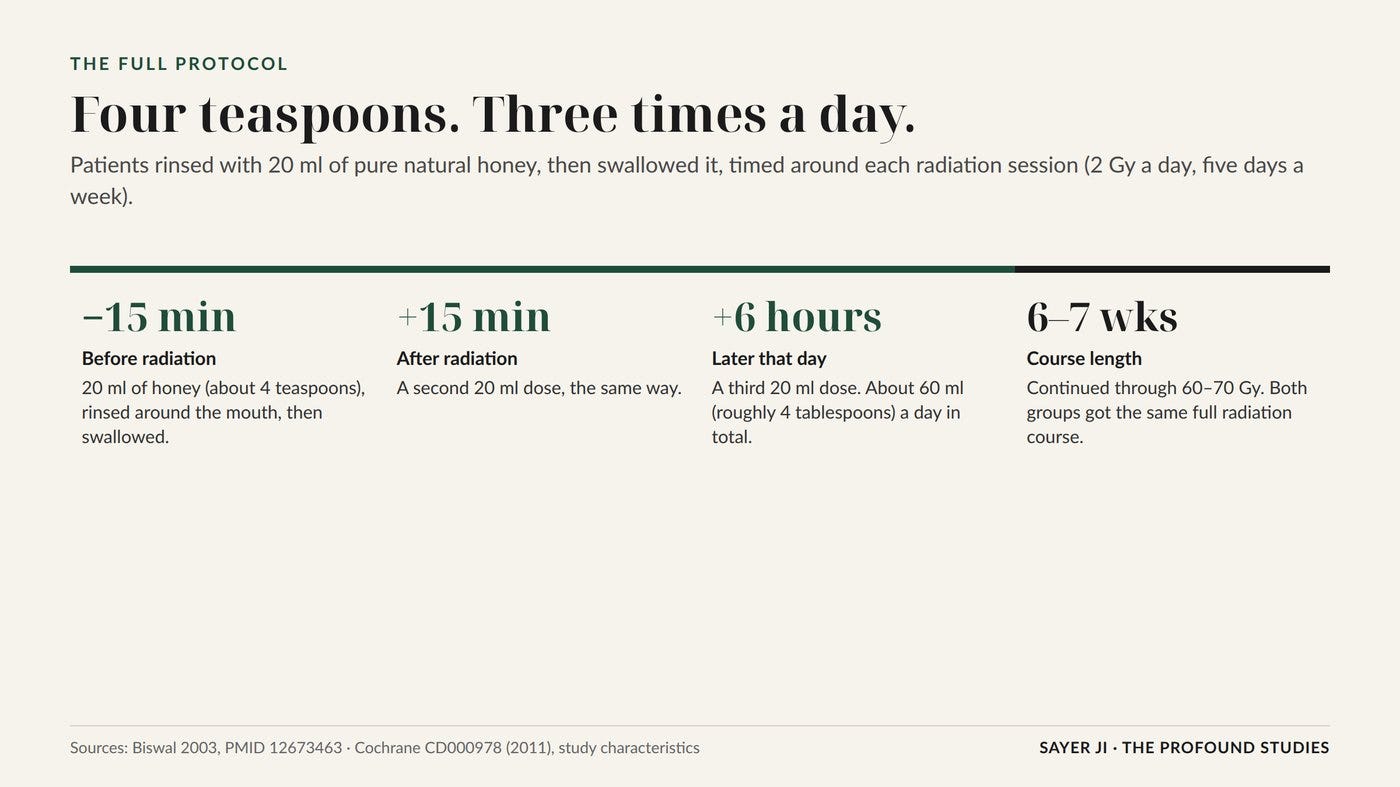
Then they graded every patient’s mouth, every week, using the standard Radiation Therapy Oncology Group scale.
Here is what they found.
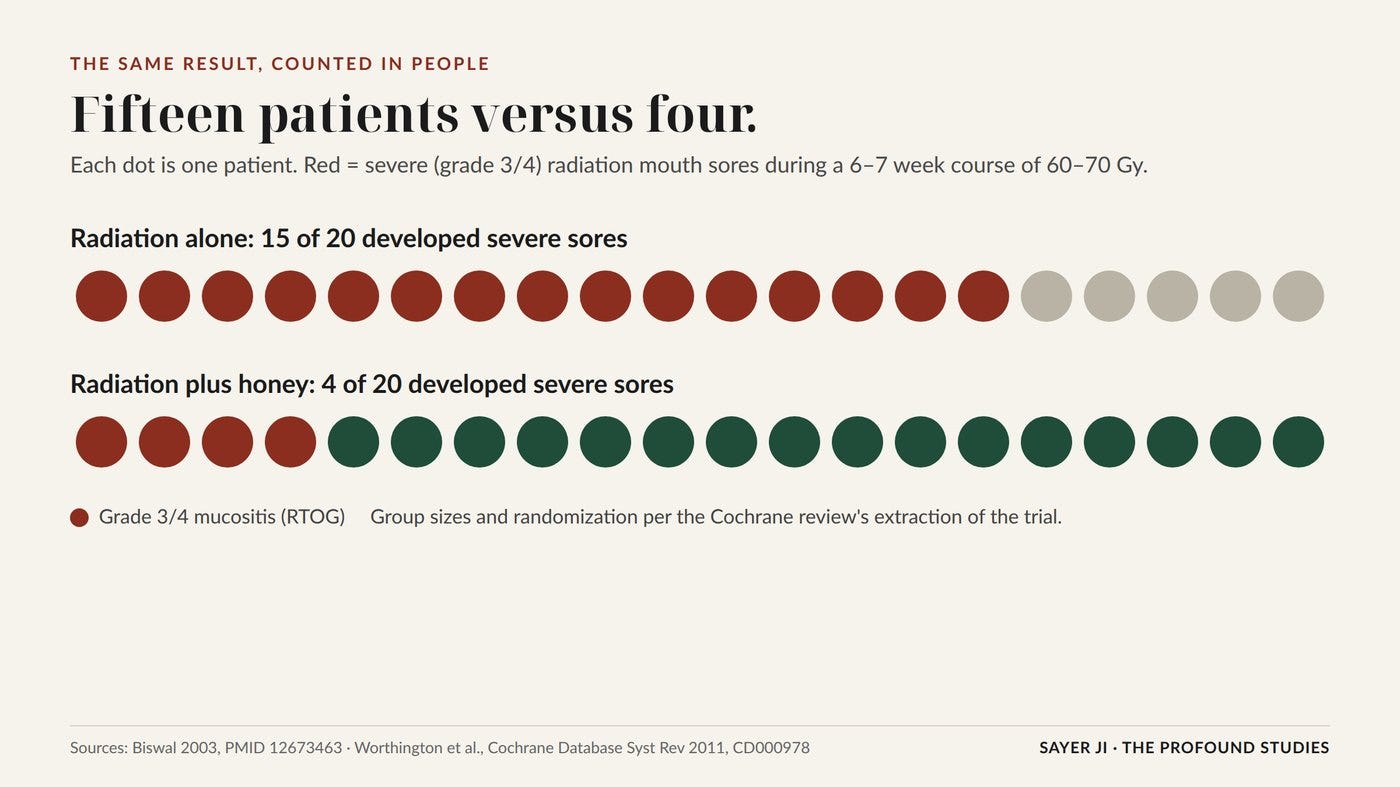
Radiation alone: 75% developed severe (grade 3/4) mouth sores.
Radiation plus honey: 20%.
Read that again. Fifteen of the 20 patients without honey developed severe mucositis. Four of the 20 with honey did.
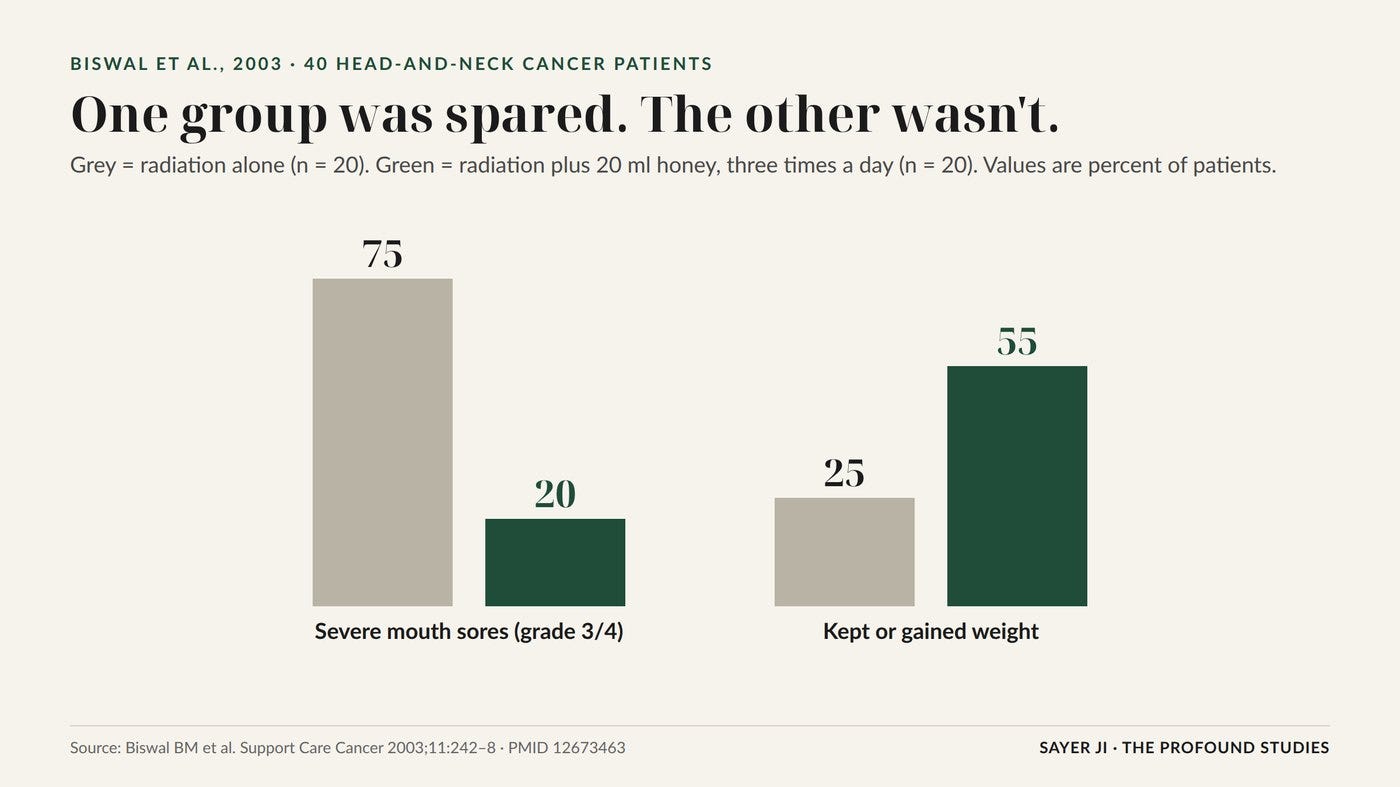
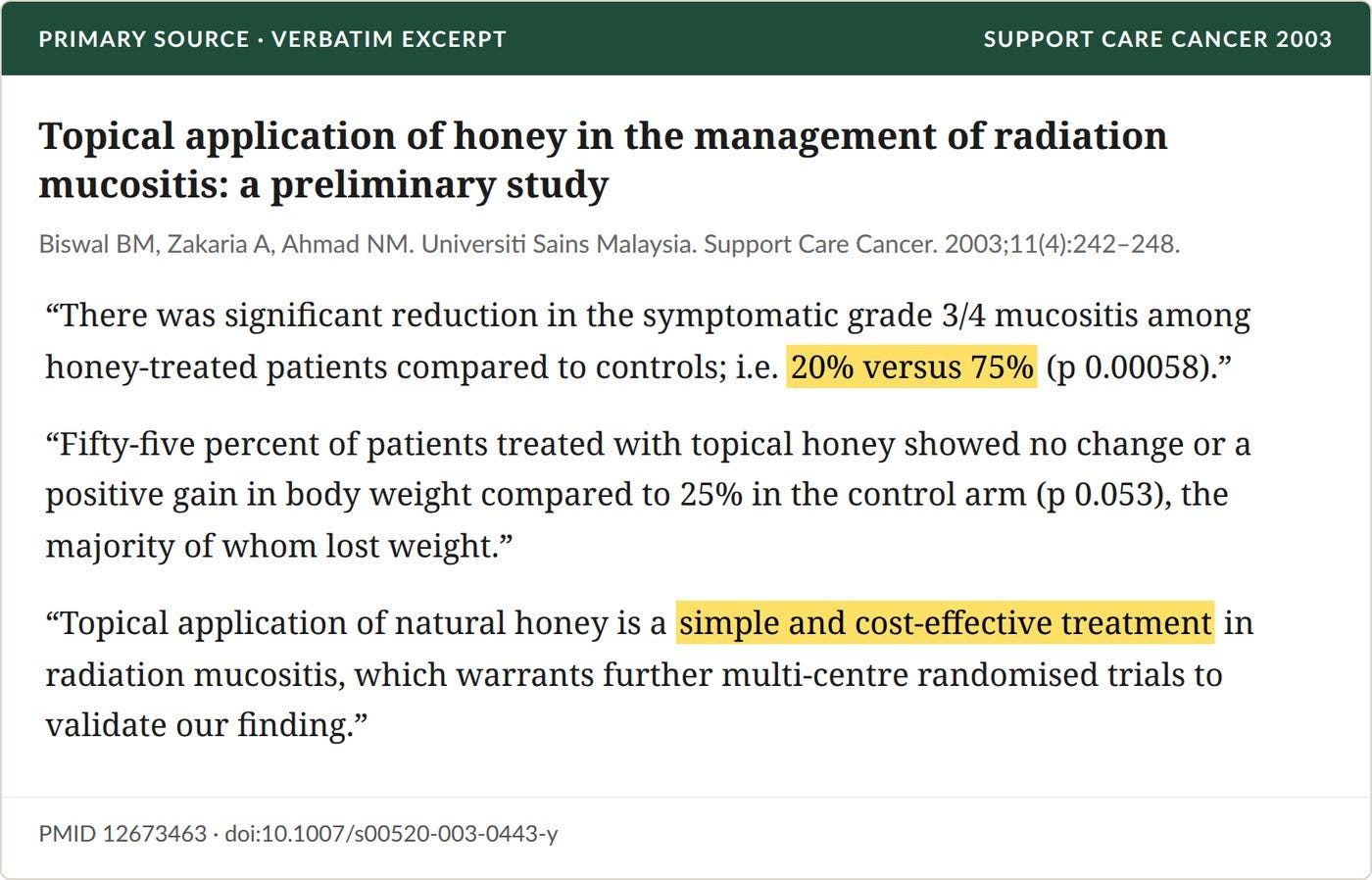
Weight told the same story. Fifty-five percent of the honey group held their weight or gained, compared with 25% of the controls, “the majority of whom lost weight.” The authors also noted that the honey patients complied with treatment better.
Their conclusion was one line long: honey is “a simple and cost-effective treatment in radiation mucositis.”
THE TECHNICAL RECORD
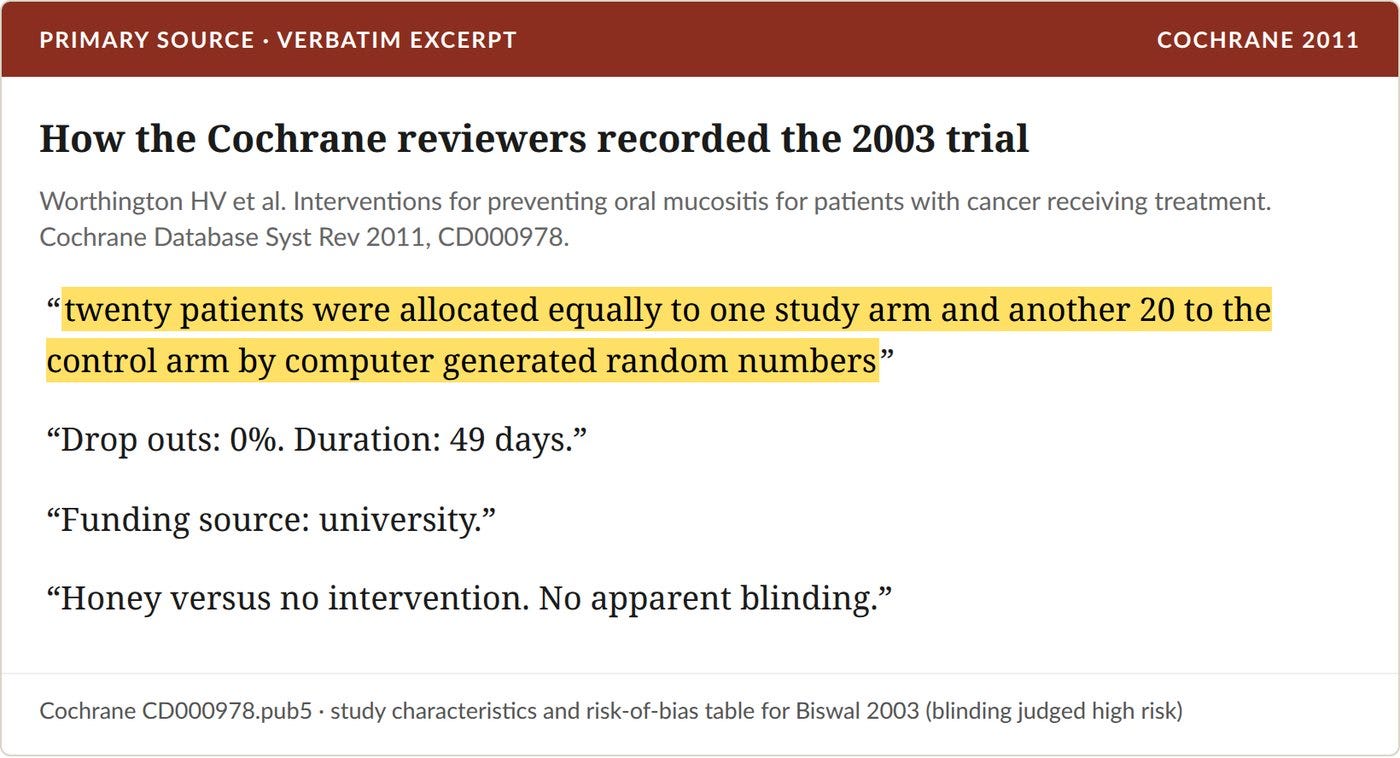
Biswal BM, Zakaria A, Ahmad NM. Support Care Cancer 2003;11(4):242–248 (journal page). 40 patients, 20 per arm, allocated “by computer generated random numbers,” 0% dropout, 49 days, per the Cochrane review’s study record. Control received no treatment, not a placebo; Cochrane rated blinding as high risk. Grade 3/4 mucositis 20% vs. 75% (p = 0.00058). Weight maintained or gained 55% vs. 25% (p = 0.053, borderline). Funding: a Universiti Sains Malaysia short-term research grant. No industry sponsor.
Subscribe to follow The Profound Studies.
The numbers that should have made headlines
One small trial can be a fluke. So the real question is what happened when other teams tried it.
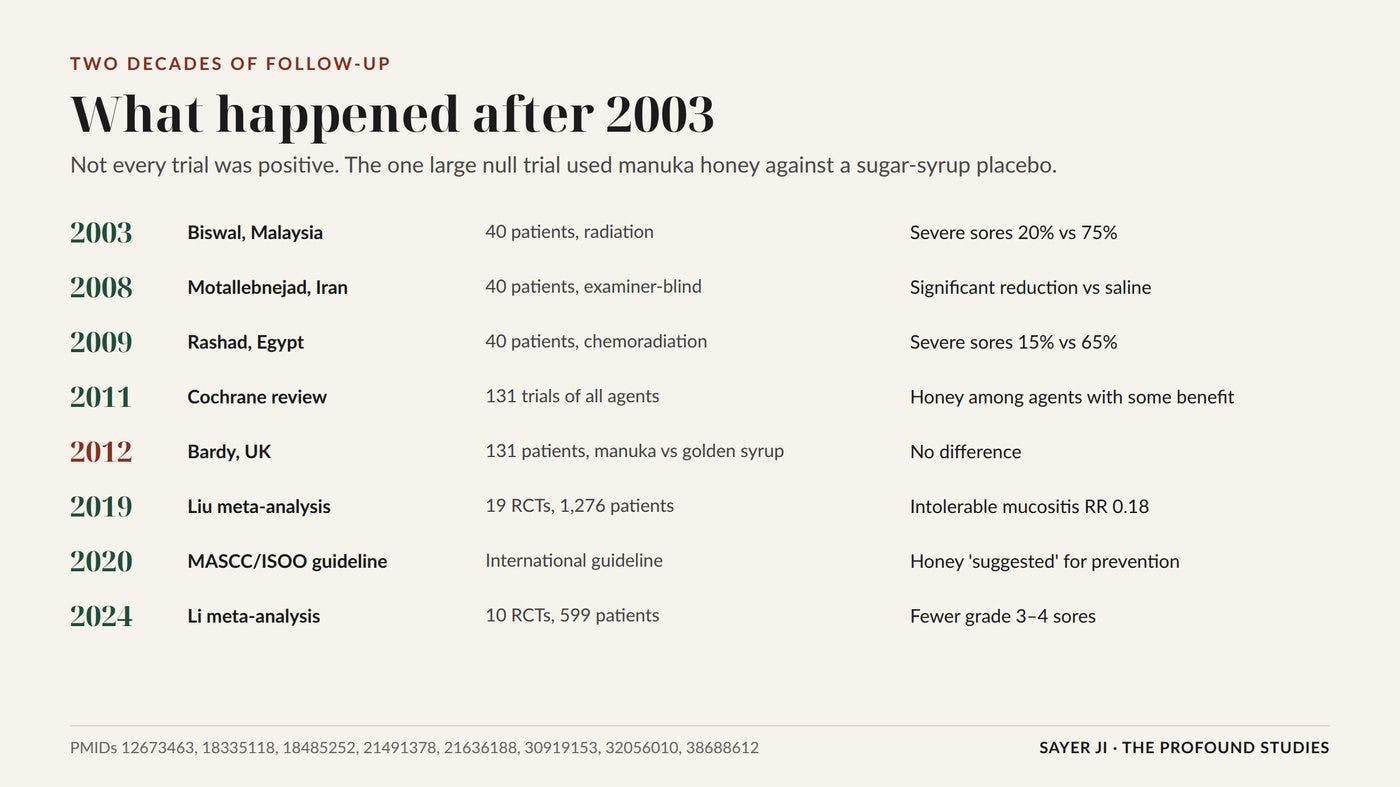
In Iran in 2008, Motallebnejad and colleagues ran the same dosing schedule in 40 head and neck cancer patients, this time against a saline rinse, with the examiner blinded. Mucositis was significantly lower in the honey group.
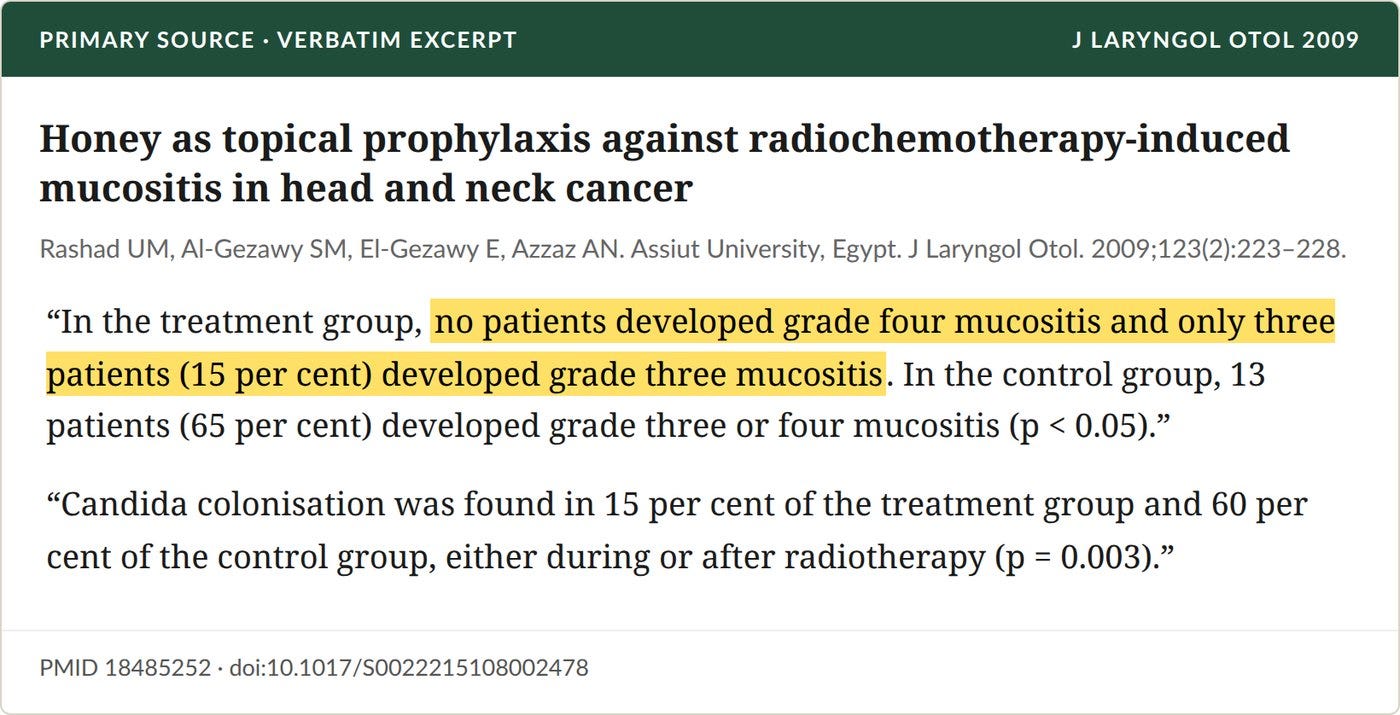
In Egypt, Rashad and colleagues tested honey in 40 patients getting the harder regimen of radiation plus chemotherapy. In the honey group, no one reached grade 4 and only three patients (15%) reached grade 3. In the control group, 65% reached grade 3 or 4.
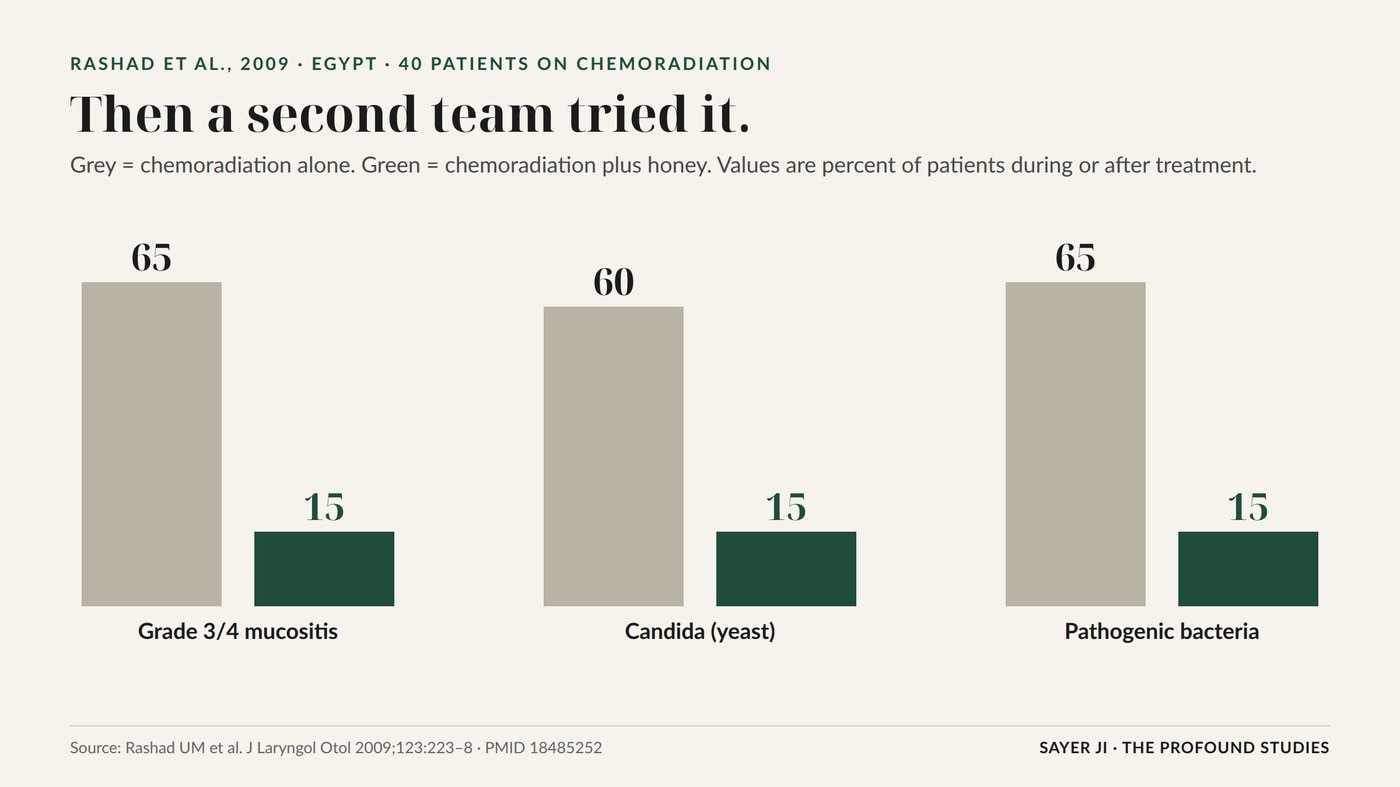
That trial also swabbed patients’ mouths. Candida yeast turned up in 60% of controls and 15% of the honey group. Pathogenic bacteria turned up in 65% and 15%.
By 2019, there were enough trials to pool. A meta-analysis of 19 randomized trials and 1,276 patients found that, used preventively, honey cut the risk of intolerable mucositis by about 80% (risk ratio 0.18). It also lowered pain scores.
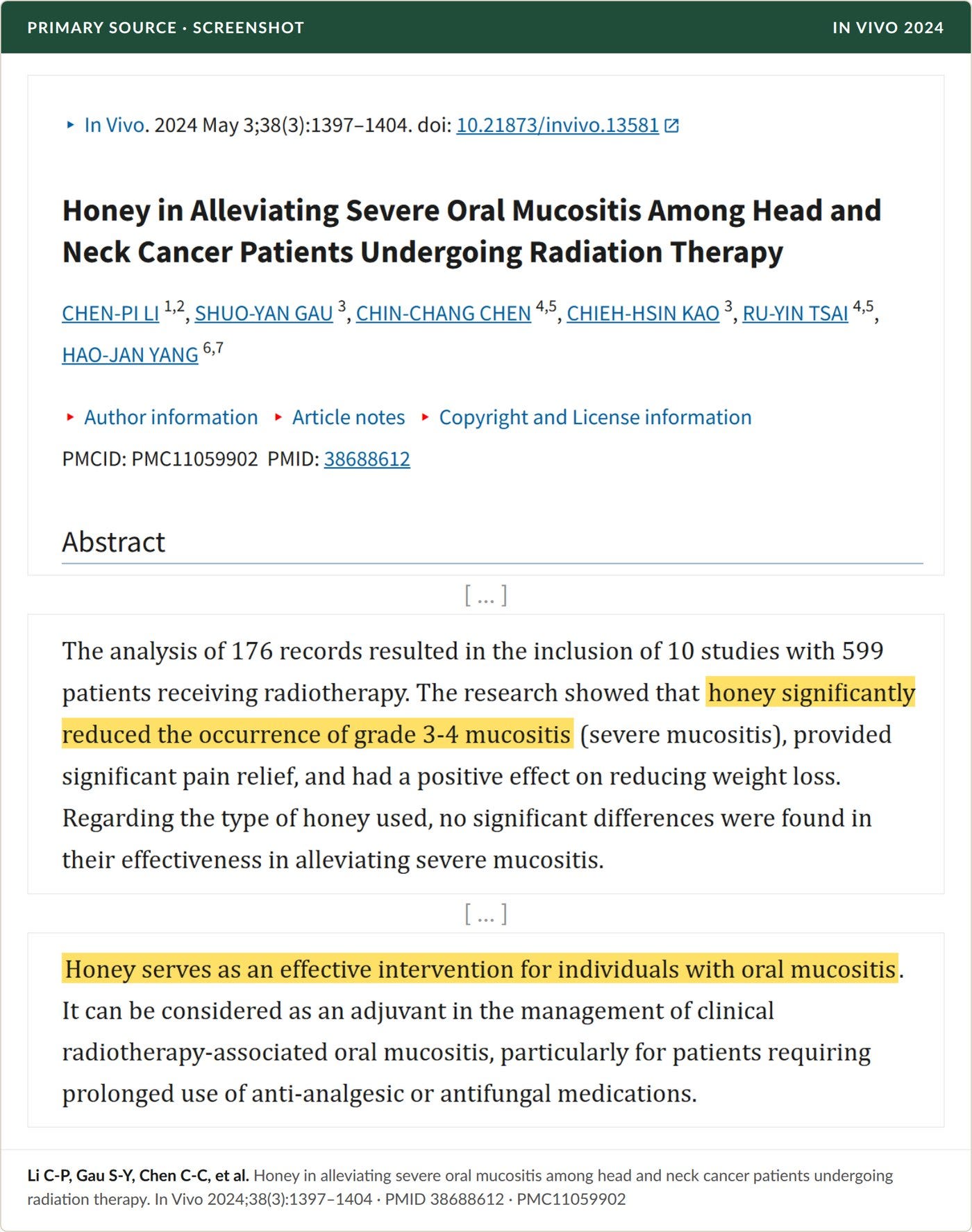
A 2024 meta-analysis limited to radiotherapy trials (10 studies, 599 patients) reached the same conclusion: “Honey serves as an effective intervention for individuals with oral mucositis.”
The detail most people miss
Nobody in these trials gave up their cancer treatment.
Every patient got the full course of radiation, and in the Egyptian trial chemotherapy too. The honey went on top. It didn’t replace anything. It protected the tissue the treatment was damaging.
This was never “honey instead of oncology.” It was honey alongside oncology.
That matters for a practical reason. A patient whose mouth is too ulcerated to swallow may have to pause radiation. In the Egyptian trial, five control patients interrupted therapy because of mucositis, compared with none in the honey group, according to a 2024 systematic review of the trial data. Interruptions are a real concern in head and neck radiotherapy, which is delivered on a tight schedule.
Why you’ve never heard of this
Consider what was happening at the same time.
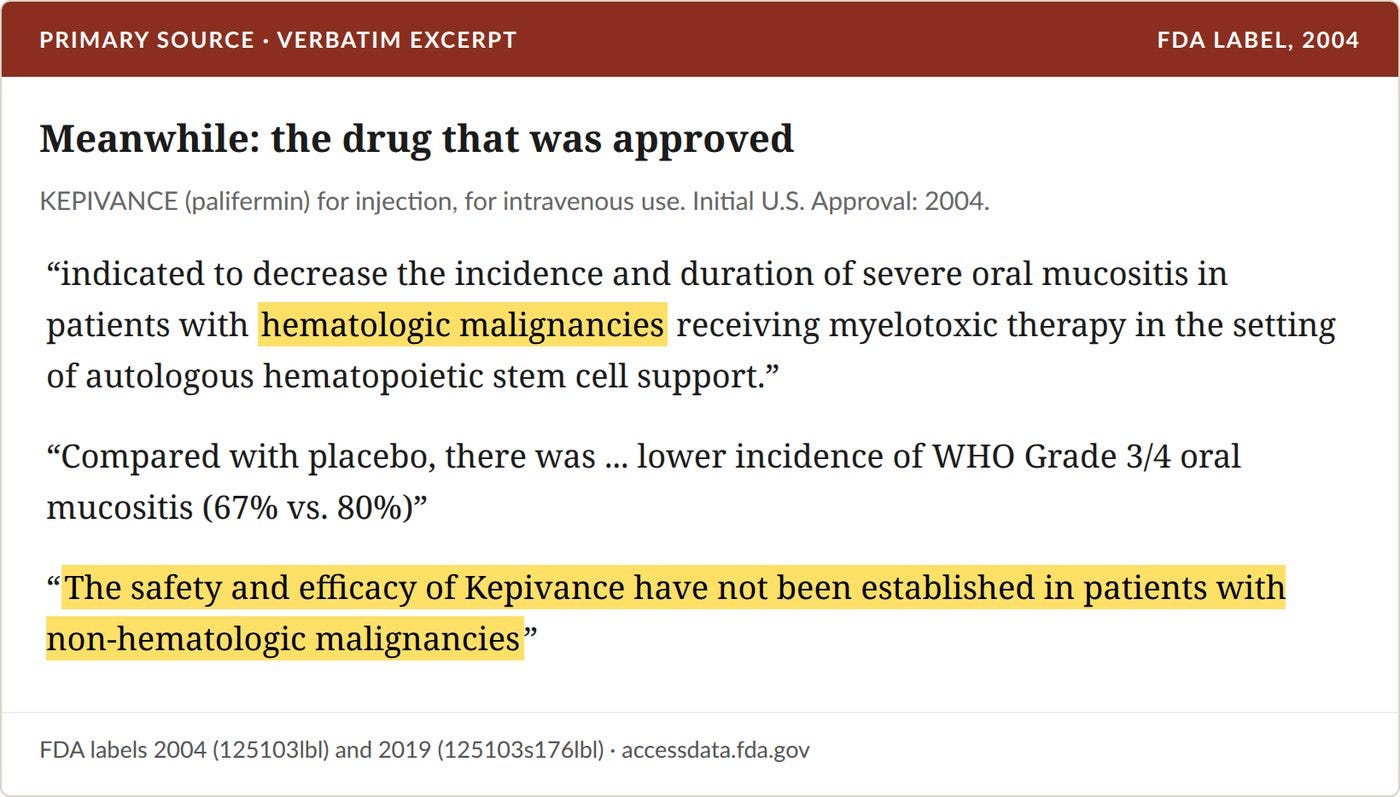
In 2004, the year after the honey trial, the FDA approved a drug for severe oral mucositis. It’s called palifermin (Kepivance), an intravenous growth factor. In its pivotal trial, it lowered grade 3/4 mucositis from 80% to 67%.
And it was approved only for patients with blood cancers undergoing stem cell transplant. The current label says plainly that its “safety and efficacy … have not been established in patients with non-hematologic malignancies”. That category includes head and neck cancer.
I want to be careful here. The palifermin trial and the honey trial studied different patients under different conditions, and you cannot compare their percentages directly.
But ask the counterfactual. If a drug company had a product that took severe mouth sores from 75% to 20% in head and neck cancer, and a string of trials and two meta-analyses backing it, what would have happened?
There would have been a sales force. Conference symposia. A line in every patient’s treatment packet.
Honey has none of that. Nobody can patent it. No company stands to recover the cost of a large multicenter trial, which is exactly what the 2003 authors asked for and what never came in the form they described.
That isn’t a conspiracy. It’s an incentive structure. Evidence for an unpatentable food moves through medicine at the speed of nobody’s budget.
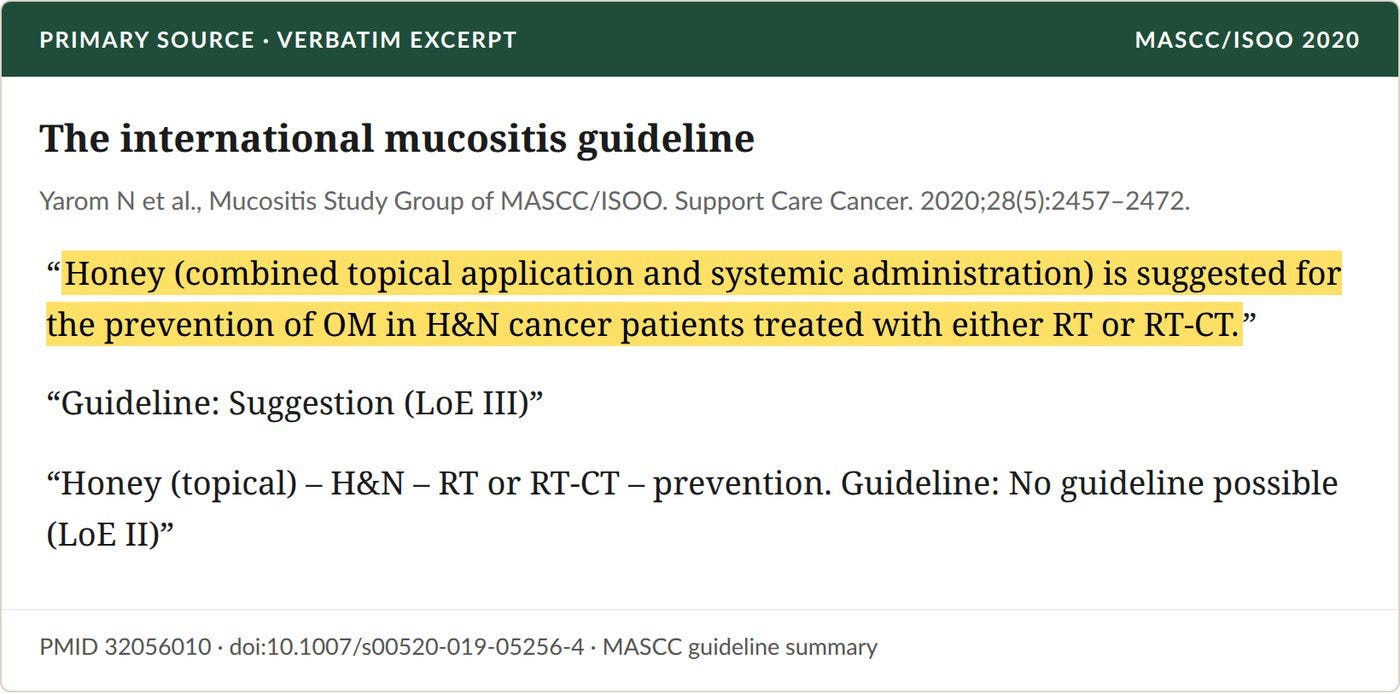
And to be fair to the field, it did move. In 2020, the MASCC/ISOO international mucositis guideline issued a formal “suggestion” in favor of honey, rinsed and swallowed, to prevent mucositis in head and neck cancer patients on radiation or chemoradiation. It took seventeen years. And it reached the guideline’s lower tier of endorsement, a “suggestion” rather than a “recommendation,” with evidence rated level III, largely because the trials were small and few were blinded.
Reading the biology carefully
Why would honey do this?
For a long time, mucositis was pictured as a simple burn: radiation kills the lining cells, and the mouth ulcerates. The modern picture is different. In the five-phase model first described by Stephen Sonis in 2004, the damage unfolds in stages: an initial injury, then a cascade of inflammatory signaling that amplifies the damage, then ulceration, and finally healing. Once the surface breaks, the ulcers become a doorway for microbes.
If mucositis is a process rather than a single event, there are several points along the way where something gentle could intervene.
Honey has several properties that fit. It is roughly 70% fructose and glucose and only about 17% water, so it pulls water out of microbes by osmosis. It is acidic. And most honeys generate hydrogen peroxide through the enzyme glucose oxidase, alongside phenolic compounds and bee-derived peptides that appear to act together.
The Egyptian trial’s swabs are the most direct human evidence that the antimicrobial piece matters in a radiated mouth: four times less candida and four times fewer pathogenic bacteria in the honey group.
There’s also the plain physical fact of coating. Patients rinsed with honey right before and right after each session, and again later in the day. The tissue was bathed in it at exactly the times it was being injured.
What we don’t know is just as important. No trial has worked out which of these mechanisms does the heavy lifting. Most trials used a local raw honey, and the types differed from country to country. The 2024 meta-analysis found no significant difference between honey types.
The trial that didn’t work
An honest account has to include the biggest negative result.
In the UK, Bardy and colleagues randomized 131 head and neck cancer patients to manuka honey or a placebo of golden syrup, 20 ml four times a day for six weeks. It was double-blind and larger than any of the positive trials.
There was no difference in mucositis.
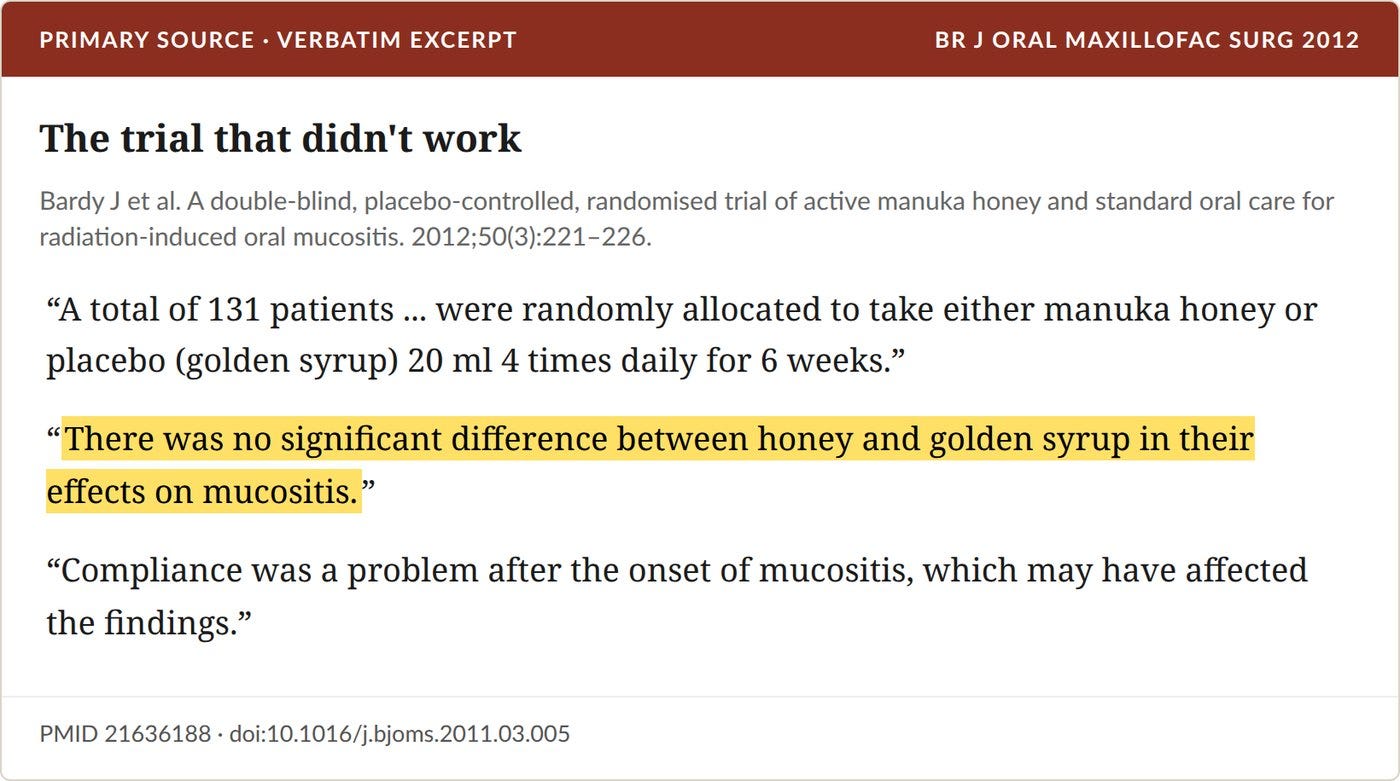
Two details from that same abstract matter. First, the placebo was not inert: golden syrup is also a thick, concentrated sugar syrup, and the authors reported that “both the honey and the syrup seemed to be associated with a reduction in bacterial infections.” Second, “compliance was a problem after the onset of mucositis, which may have affected the findings.” Patients with raw, painful mouths stopped taking it.
That doesn’t cancel the null result. It tells you what question it answered: manuka honey versus another sugar syrup, in patients who often couldn’t keep taking either. It is a different question from honey versus nothing or saline, which is what most of the positive trials tested.
WHAT THE EVIDENCE DOES AND DOESN’T SHOW
The positive trials were small (typically 40 patients) and most could not be blinded. Honey versus “nothing” is easy for patients and assessors to identify. The 2011 Cochrane review found that only 8% of all mucositis-prevention trials it assessed were at low risk of bias, and listed honey among ten interventions with “some benefit,” with evidence strength that “was variable” (Worthington et al. 2011). The largest double-blind trial, using manuka honey against golden syrup, was null (Bardy 2012). Pooled analyses remain positive: risk ratio 0.18 for intolerable mucositis across 19 RCTs (Liu 2019). The 2020 MASCC/ISOO guideline rates the combined rinse-and-swallow method as a “suggestion” (level III evidence) and finds “no guideline possible” for topical-only honey (MASCC guideline summary).
The question we should be asking
I’m not arguing you should abandon your oncologist, skip your radiation, or treat a jar of honey as cancer therapy. It isn’t, and none of these trials claimed it was.
I’m asking something narrower, and I think harder to dismiss.
Why is a food that an international supportive-care guideline already suggests, that has been tested in more than a dozen randomized trials, and that costs a few dollars, still an afterthought instead of a standard part of the conversation when radiation begins?
Patients deserve to be told it exists. Radiation and oral-care teams deserve the training to discuss it. And the field deserves the trial the 2003 authors asked for: large, multicenter, using the rinse-and-swallow method, with a placebo patients can’t easily identify.
SAFETY AND PRACTICAL NOTES
Talk with your radiation oncologist and oral-care team before adding anything during treatment. Three 20 ml doses are roughly 60 ml (about 85 g) of honey a day, most of it sugar. That matters for people with diabetes or blood-sugar problems, and one review recommended against it in diabetic patients (systematic review). Head and neck radiation also raises the risk of aggressive “radiation caries” (StatPearls), so follow your dental team’s plan (NIDCR guide). Patients with feeding tubes or serious swallowing problems need individual advice.
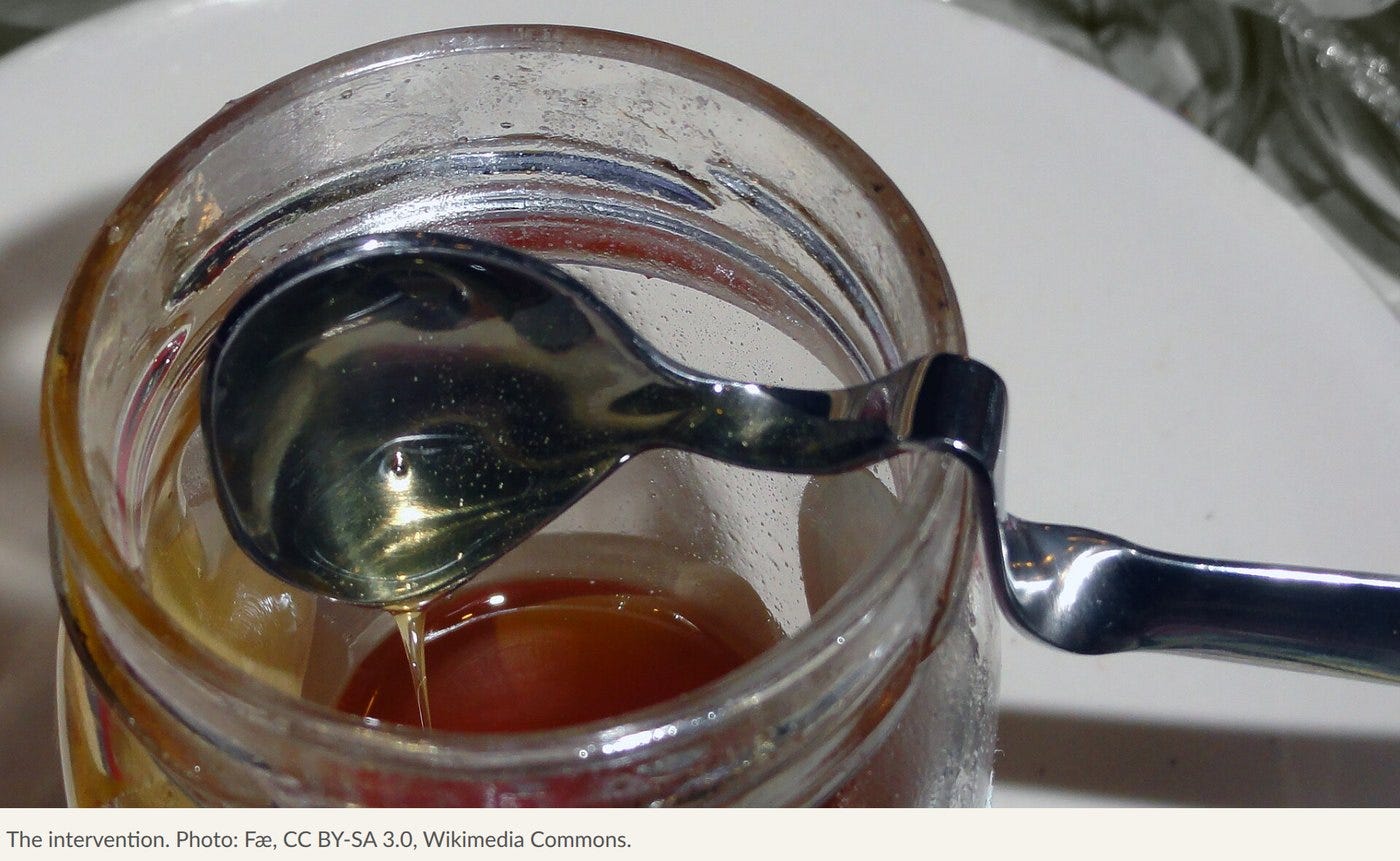
Four teaspoons, three times a day. That’s all it took.
“Let food be thy medicine and medicine be thy food.”
Traditionally attributed to Hippocrates
This article is for education and is not medical advice. It does not replace care from your oncology team.
Sources
GreenMedInfo: https://greenmedinfo.com/substance/honey
91% of patients: https://www.ncbi.nlm.nih.gov/books/NBK565848/
40 patients with head and neck cancer: https://pubmed.ncbi.nlm.nih.gov/12673463/
journal page: https://link.springer.com/article/10.1007/s00520-003-0443-y
Cochrane review’s study record: https://www.cochranelibrary.com/cdsr/doi/10.1002/14651858.CD000978.pub5/references
Motallebnejad and colleagues: https://pubmed.ncbi.nlm.nih.gov/18335118/
Rashad and colleagues: https://pubmed.ncbi.nlm.nih.gov/18485252/
meta-analysis of 19 randomized trials and 1,276 patients: https://link.springer.com/article/10.1007/s00520-019-04722-3
2024 meta-analysis: https://pmc.ncbi.nlm.nih.gov/articles/PMC11059902/
five control patients interrupted therapy because of mucositis, compared with none in the honey group: https://pmc.ncbi.nlm.nih.gov/articles/PMC11115216/
80% to 67%: https://www.accessdata.fda.gov/drugsatfda_docs/label/2004/125103lbl.pdf
“safety and efficacy … have not been established in patients with non-hematologic malignancies”: https://www.accessdata.fda.gov/drugsatfda_docs/label/2019/125103s176lbl.pdf
MASCC/ISOO international mucositis guideline: https://pubmed.ncbi.nlm.nih.gov/32056010/
five-phase model: https://link.springer.com/article/10.1007/s00520-024-08752-4
70% fructose and glucose and only about 17% water: https://www.ars.usda.gov/research/publications/publication/?seqNo115=126568
hydrogen peroxide through the enzyme glucose oxidase: https://pmc.ncbi.nlm.nih.gov/articles/PMC3609166/
appear to act together: https://pmc.ncbi.nlm.nih.gov/articles/PMC9781356/
Bardy and colleagues: https://pubmed.ncbi.nlm.nih.gov/21636188/
Worthington et al. 2011: https://pubmed.ncbi.nlm.nih.gov/21491378/
MASCC guideline summary: https://mascc.memberclicks.net/assets/Guidelines-Tools/Mucositis/Mucositis_Guidelines_Overall_Summary_Doc.pdf
systematic review: https://pmc.ncbi.nlm.nih.gov/articles/PMC7892691/
StatPearls: https://www.ncbi.nlm.nih.gov/sites/books/NBK587448/
NIDCR guide: https://www.nidcr.nih.gov/sites/default/files/2020-06/oncology-guide-dental-provider.pdf
Images: hero is an AI-generated illustration (GPT Image 2.5). Photos: Michael Goodyear (CC BY-SA 4.0) and Fæ (CC BY-SA 3.0), Wikimedia Commons. Study cards are verbatim excerpts or a PubMed Central screenshot; charts by the author from the cited papers.
I have always believed God has given us natural remedies for everything, including cancer. We just stopped looking for them and let big pharma take over…sad
2003, Malaysia, reported in Support Care Cancer
2008, Iran, reported in J Contemp Dent Pract
2009, Egypt, reported in J Laryngol Otol
2011, Cochrane review, reported in Cochrane Database Sys Rev
2016, My throat radiation, 36 treatments
In the evening after my 36th treatment, my throat closed, I struggled to breathe, had inspiratory stridor, and was taken by ambulance to the ER for rotohailer steroid therapy.
My doctor’s comment, “Some oncologists perform a tracheostomy before beginning throat radiation. I probably should have done that on you.” That was his answer to over-treating a vocal cord cancer, which has neither blood supply nor lymph supply and therefore cannot spread. This was 13 years after he SHOULD have known about using honey to limit collateral damage. Incompetent, or evil? Does it matter which after the damage is done?