



How America’s most demonized fat became one of the most researched healing foods on earth — and the 10 health benefits now backed by human evidence
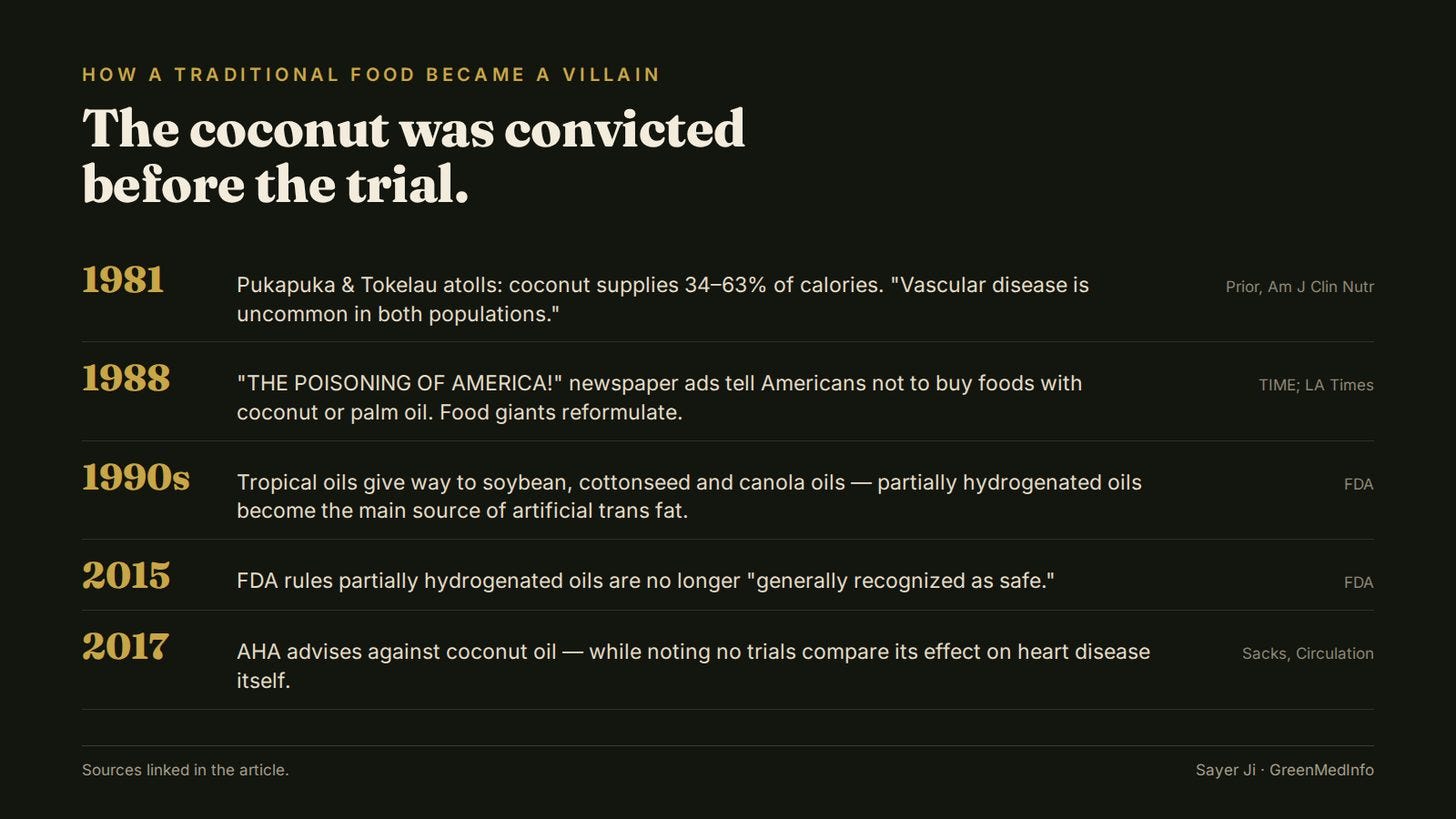
Halfway between Hawaii and New Zealand, on coral atolls so small you can walk across them in minutes, researchers in the 1960s and 70s found something that should have been impossible. The people of Tokelau were getting 63% of their calories from coconut. Their neighbors on Pukapuka got 34%. By the logic that was about to take over Western nutrition, their arteries should have been clogged with saturated fat.
They weren’t. “Vascular disease is uncommon in both populations,” the investigators reported in the American Journal of Clinical Nutrition, “and there is no evidence of the high saturated fat intake having a harmful effect in these populations” (Prior et al., Am J Clin Nutr, 1981).
Seven years later, the coconut was put on trial anyway — not in a laboratory, but in the newspapers.
“The Poisoning of America”
In October 1988, Americans opened their papers to full-page ads headlined THE POISONING OF AMERICA! They were written and paid for by Phil Sokolof, a millionaire industrialist and heart-attack survivor, and they named the “poisoners”: food processors who used tropical oils (TIME). The ads singled out household brands — Kellogg’s Cracklin’ Oat Bran, Pepperidge Farm Goldfish, Nabisco Triscuits — for using coconut and palm oil (Los Angeles Times). Sokolof sank about $500,000 into his first ad alone (CBS News).
It worked. The industry reformulated, switching to soybean, cottonseed and canola oils (Los Angeles Times). To make those liquid oils behave like the stable tropical fats they replaced, much of the food supply leaned on partially hydrogenated oils — the primary source of artificial trans fat.
You know how that ended. In June 2015, the FDA issued its final determination that partially hydrogenated oils are no longer “generally recognized as safe” for use in human food, and gave manufacturers until June 18, 2018 to stop adding them (FDA). The “heart-healthy” replacement had become the thing we had to ban.
The Clock That Came Back

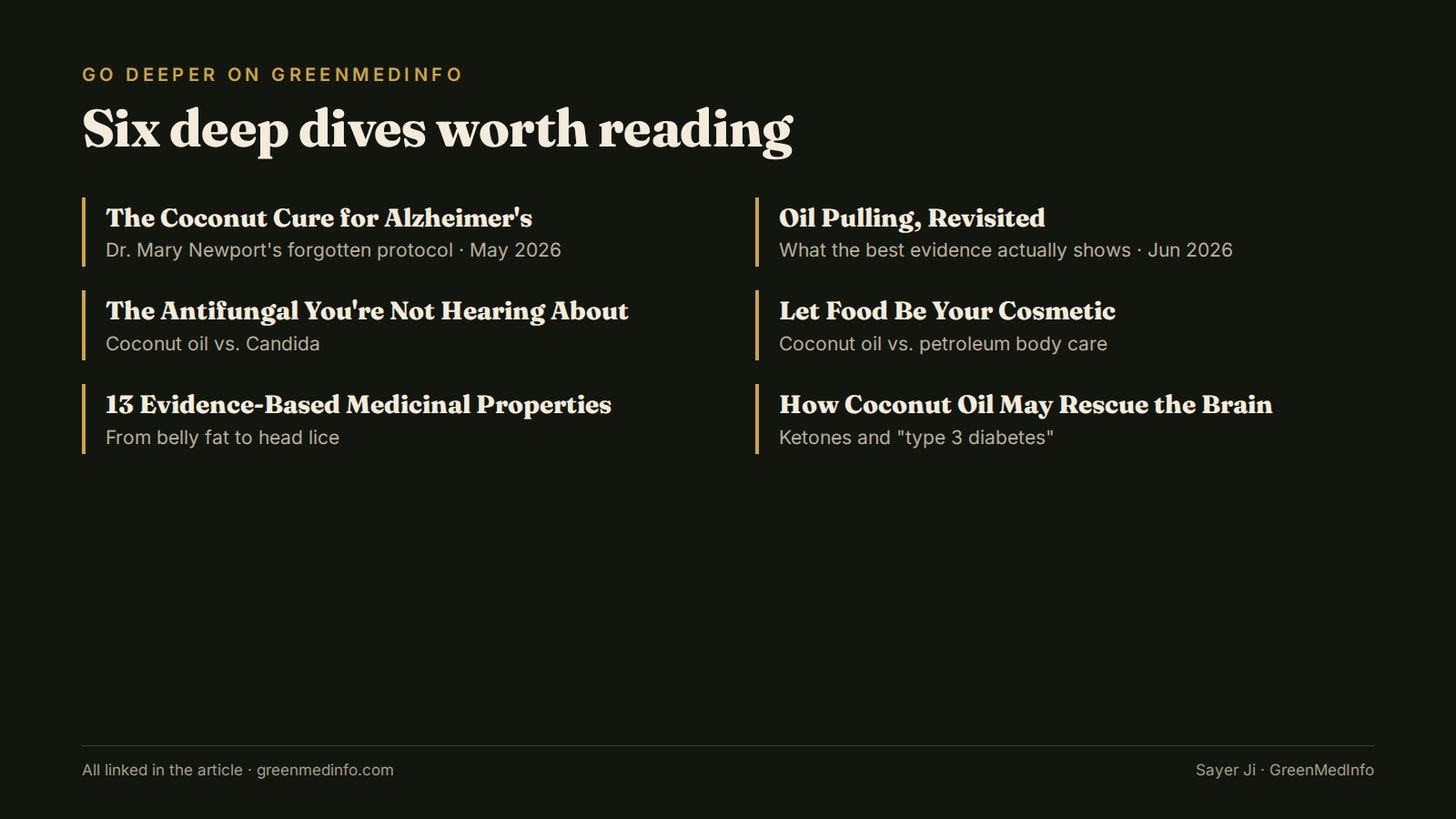
In May 2008, Dr. Mary Newport, a Florida neonatologist, watched her husband Steve, who had been diagnosed with Alzheimer’s, try to draw a clock. He produced a few small circles and scattered numbers. His doctor told her he was “beyond moderate.” After staying up all night reading patent filings for a medium-chain triglyceride drug, she realized its active ingredient was the same class of fat that makes up most of coconut oil. She stirred some into his oatmeal. Two weeks later, he drew the clock again. This time it looked like a clock (GreenMedInfo: The Coconut Cure for Alzheimer’s).
One family’s experience is not a clinical trial. But it captures something the research has since confirmed in pieces, again and again: the coconut was never the villain it was made out to be. As I wrote years ago, it is “not just a ‘good’ fat” — “coconut oil is an exceptional healing agent as well” (GreenMedInfo: 13 Evidence-Based Medicinal Properties of Coconut Oil).
What 763 Studies Show
The GreenMedInfo Coconut Oil page now indexes 763 research abstracts spanning 121 diseases and conditions, 48 pharmacological actions, 6 therapeutic actions and 61 articles (GreenMedInfo).
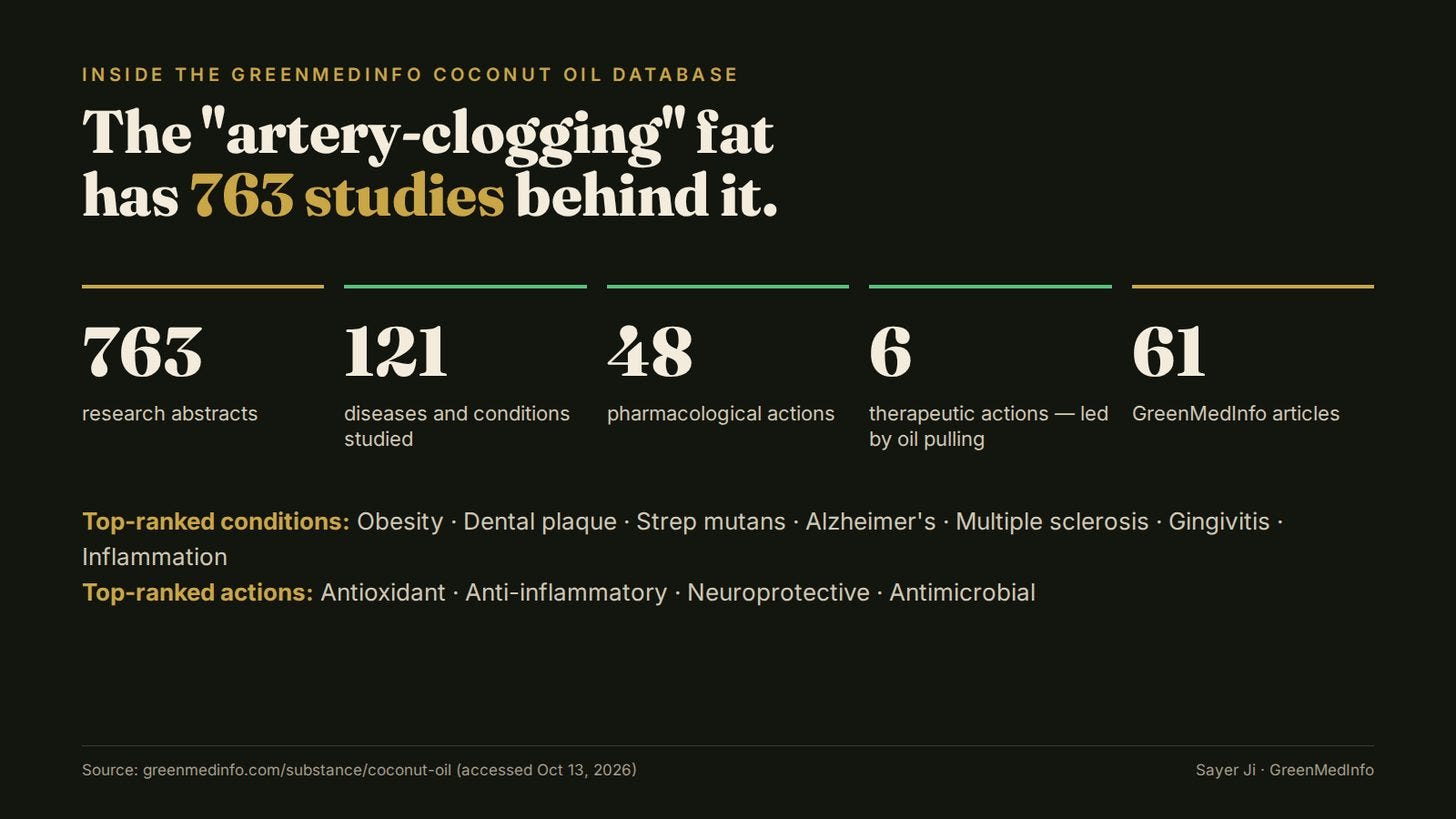
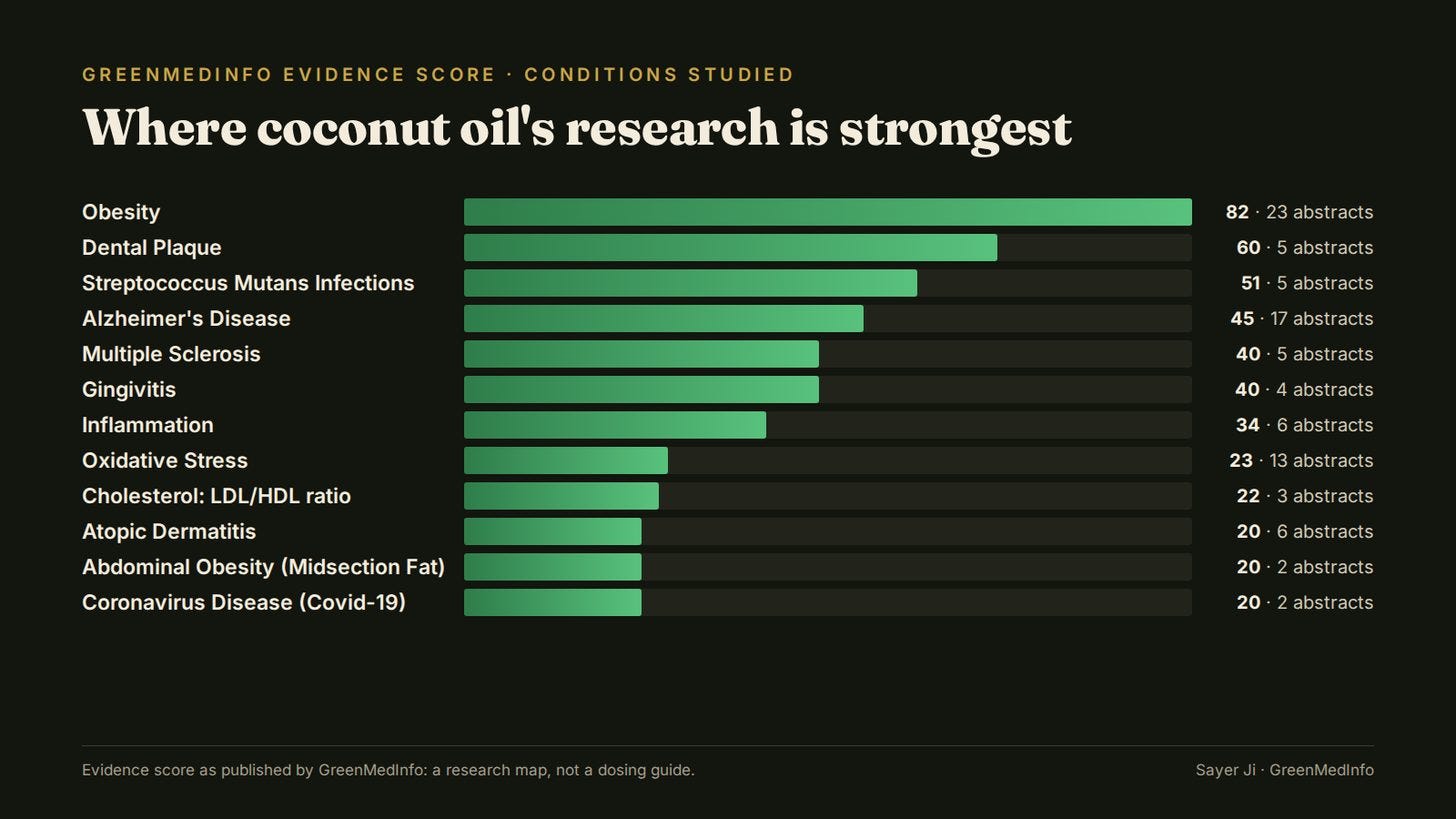
When you sort that research by evidence score, a clear picture emerges. The strongest signals are for obesity, dental plaque, Streptococcus mutans (the main cavity-causing bacterium), Alzheimer’s disease, multiple sclerosis, gingivitis and inflammation, followed by oxidative stress, cholesterol ratios, eczema and abdominal obesity (GreenMedInfo). The leading therapeutic action is oil pulling, and the most-studied pharmacological actions are antioxidant (33 abstracts), anti-inflammatory (25) and neuroprotective (22), with antimicrobial activity also scoring highly (GreenMedInfo).
Why coconut is different
“Saturated fat” is a chemical description, not a biological verdict. About two-thirds of the fat in coconut is made of medium-chain fatty acids — lauric, capric and caprylic acid. Unlike the long-chain fats in most of our diet, these travel straight to the liver, where they are burned for energy or turned into ketones, an alternative fuel for the brain. Lauric acid is also converted in the body to monolaurin, a compound that disrupts the membranes of bacteria, viruses and fungi (GreenMedInfo). Those two properties — fuel and defense — explain most of what follows.
The 10 Evidence-Based Health Benefits
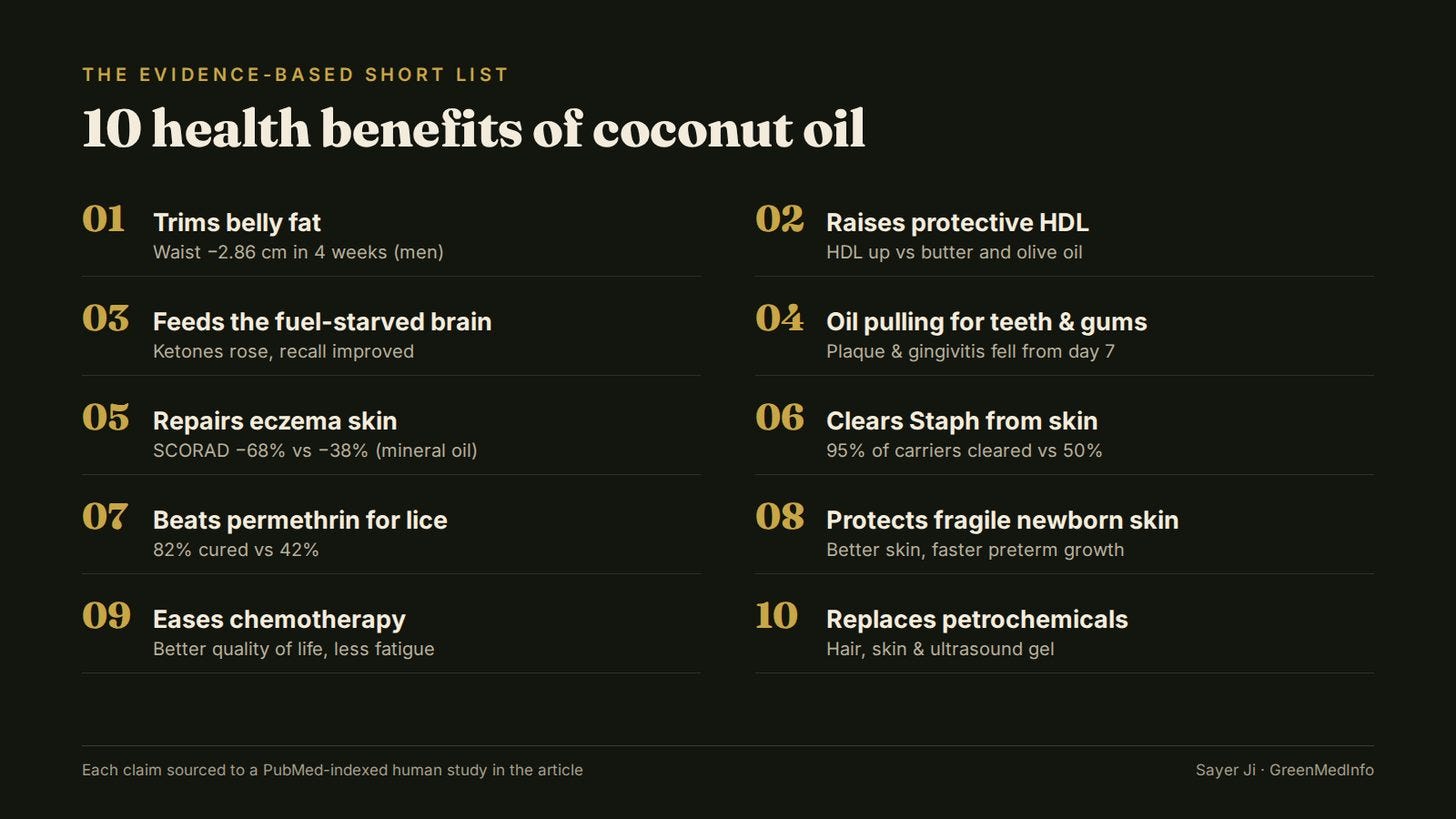
I chose these ten by combining two filters: how strongly each ranks in the GreenMedInfo database, and whether it has been tested in humans. Each section opens with a plain-language summary, then a callout with the exact numbers, then a link to where we go deeper on GreenMedInfo.
1. It trims belly fat — the most dangerous kind
Ironic, isn’t it? A saturated fat that helps you lose the most metabolically dangerous fat of all — the kind that wraps around your organs. Obesity is the #1 ranked condition in the coconut oil file, and abdominal obesity is in the top 12. Two small human studies found that about two tablespoons a day shrank waistlines within one to three months.
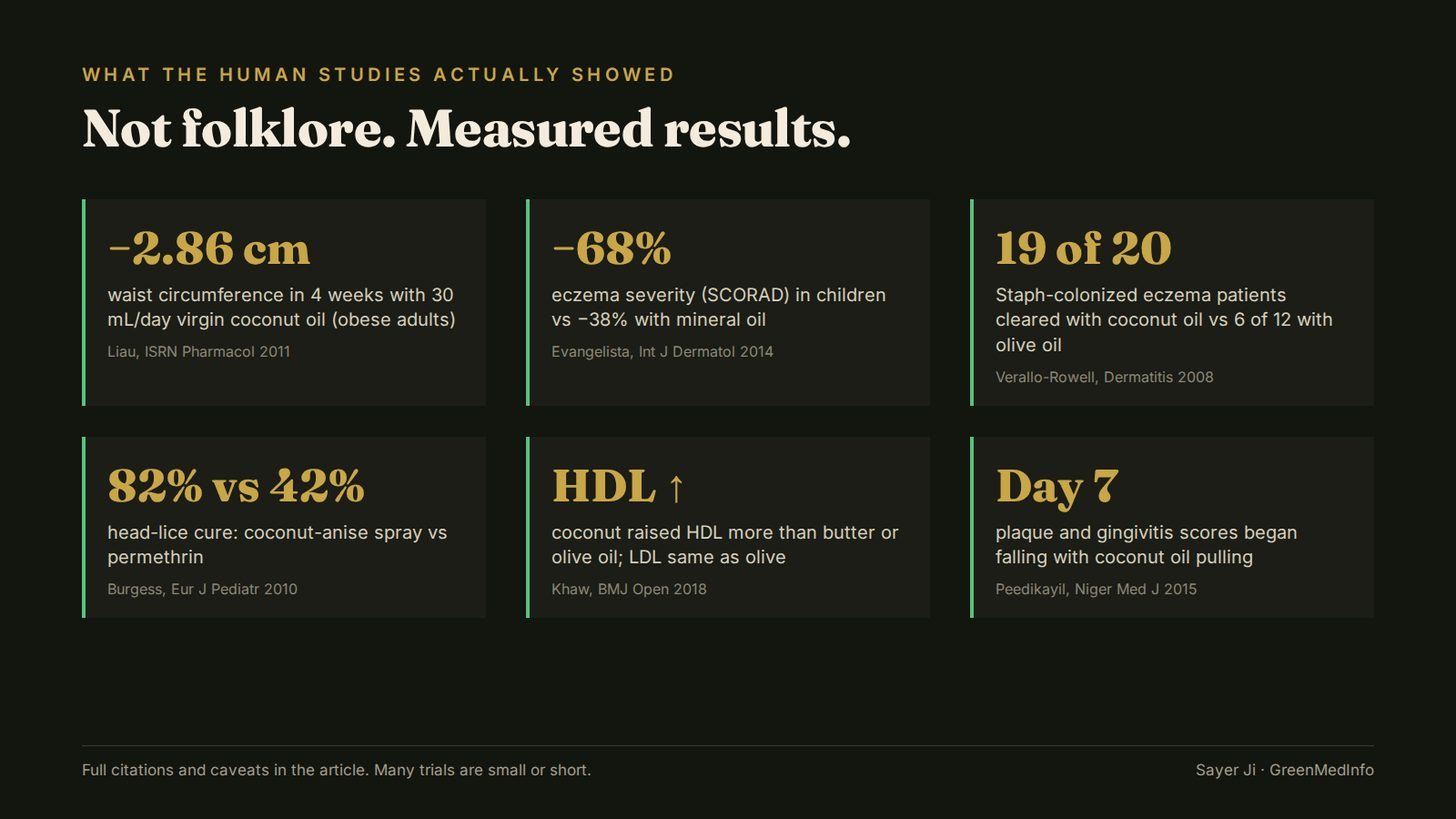
The evidence: In an open-label pilot study of 20 obese but otherwise healthy Malaysian adults, 30 mL/day of virgin coconut oil for 4 weeks reduced waist circumference by a mean of 2.86 cm (P=0.02), with the reduction seen only in men; the lipid profile did not change (Liau et al., ISRN Pharmacol, 2011). In a randomized, double-blind trial of 40 Brazilian women with abdominal obesity, 30 mL/day for 12 weeks alongside diet and walking reduced waist circumference, and — unlike soybean oil — raised HDL and lowered the LDL:HDL ratio (Assunção et al., Lipids, 2009). A meta-analysis of 13 trials found medium-chain triglycerides reduced body weight, waist and hip circumference and body fat compared with long-chain fats (Mumme & Stonehouse, J Acad Nutr Diet, 2015).
Go deeper: 6 Evidence-Based Ways to Burn Belly Fat and Extend Your Life · Only 1 Tbsp of Coconut Oil Produces Powerful Health Changes
2. It raises protective HDL cholesterol
This is the benefit critics least want to discuss. In a head-to-head trial run with the BBC, coconut oil raised “good” HDL cholesterol more than either butter or olive oil — and did not raise “bad” LDL any more than olive oil did. Butter did. (I explore the honest nuances of the cholesterol debate in a dedicated section below.)
The evidence: In a randomized trial of 94 adults aged 50–75, participants consumed extra virgin coconut oil, extra virgin olive oil or butter daily for 4 weeks. Butter significantly raised LDL compared with both coconut oil (+0.42 mmol/L) and olive oil; coconut oil did not differ from olive oil on LDL (P=0.74); and coconut oil significantly raised HDL compared with both butter (+0.18 mmol/L) and olive oil (+0.16 mmol/L) (Khaw et al., BMJ Open, 2018). In a Brazilian longitudinal study of 116 adults with coronary artery disease, adding extra virgin coconut oil to a nutritional program reduced waist circumference (−2.1 cm vs diet alone, p<0.01) and increased HDL (+3.1 mg/dL, p=0.02) (Cardoso et al., Nutr Hosp, 2015).
Go deeper: In Defense of Coconut Oil: A Rebuttal to USA Today · Fat Wars: What’s a Health-Conscious Consumer to Do?
3. It feeds the fuel-starved brain
The Alzheimer’s brain struggles to use glucose, often years before symptoms appear. But it can still burn ketones — and the medium-chain fats in coconut are converted into ketones within hours. This is the biology behind the Newport story, and it has now been tested in randomized trials. Alzheimer’s disease ranks #4 in the coconut oil file.
The evidence: In 20 adults with Alzheimer’s or mild cognitive impairment, a single dose of medium-chain triglycerides raised blood ketones within 90 minutes, and higher ketone levels were associated with greater improvement in paragraph recall (Reger et al., Neurobiol Aging, 2004). In a 6-month randomized, placebo-controlled trial in mild cognitive impairment, a ketogenic MCT drink (n=39 vs 44 placebo) significantly improved free and cued recall, verbal fluency and naming (Fortier et al., Alzheimer’s & Dementia, 2021). Note that these trials used purified MCTs; whole coconut oil is roughly 60% medium-chain fat.
Go deeper: The Coconut Cure for Alzheimer’s: Dr. Mary Newport’s Forgotten Protocol · How Coconut Oil May Rescue the Brain · MCT Fats Boost Brain Function in Only One Dose
4. Oil pulling protects teeth and gums
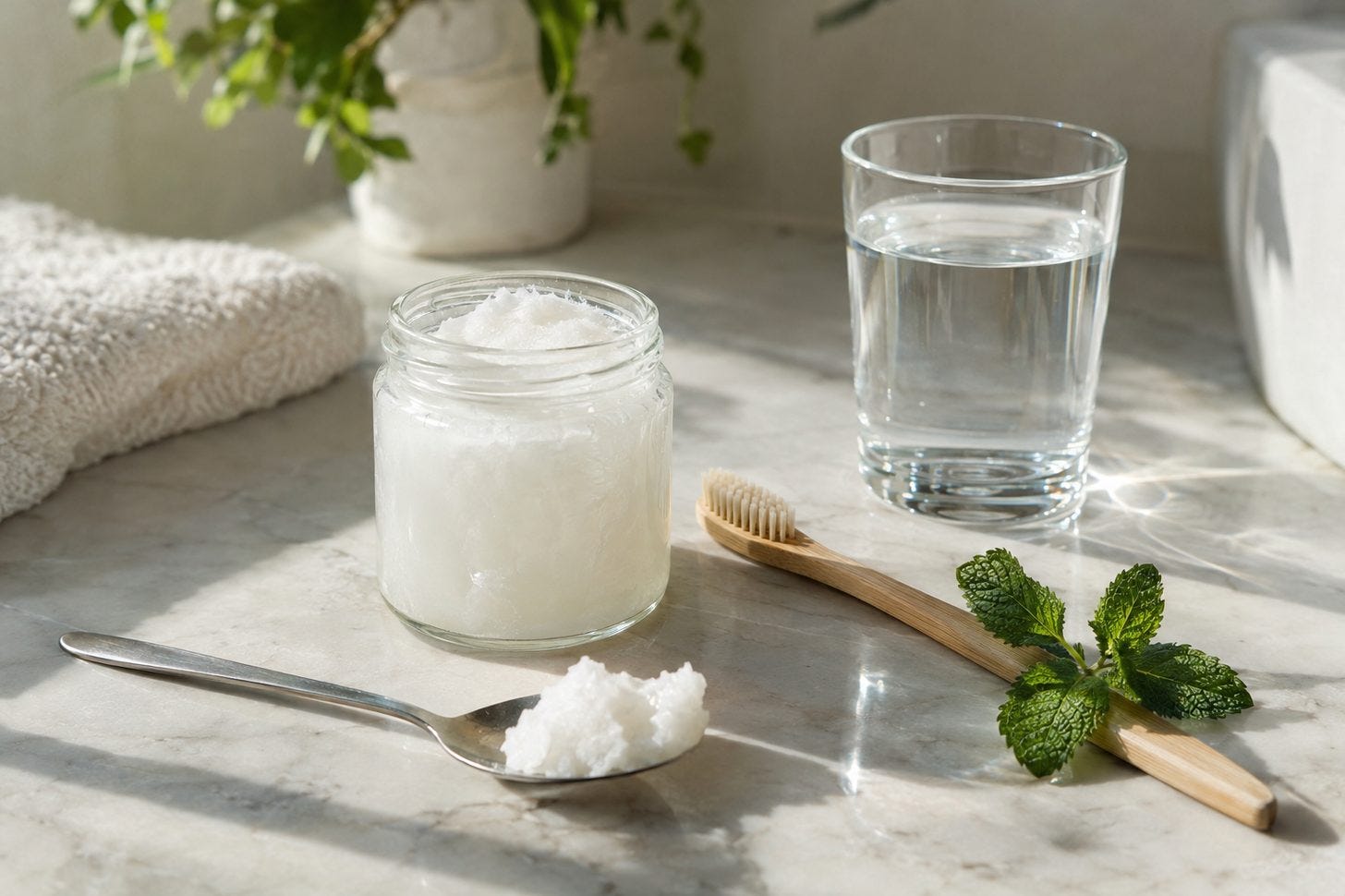
Swishing a spoonful of oil around the mouth — kavala in Ayurveda — is praised in the Charaka Samhita for keeping the gums and teeth firmly rooted and the breath fresh (GreenMedInfo: Oil Pulling, Revisited). Modern research has caught up. Dental plaque, Streptococcus mutans and gingivitis are three of the top six conditions in the entire coconut oil file, and oil pulling is its top-ranked therapeutic action.
The evidence: In a prospective study of 60 adolescents with plaque-induced gingivitis (without a control group), adding coconut oil pulling to their oral hygiene routine produced a statistically significant decrease in plaque and gingival index scores from day 7 onward, continuing through the 30-day study (Peedikayil et al., Niger Med J, 2015). A systematic review of four RCTs (182 participants) found coconut oil pulling significantly reduced salivary bacterial counts (p=0.03) and plaque scores (p<0.001) (Woolley et al., Heliyon, 2020). The most comprehensive review identified 25 trials involving 1,184 participants and concluded that oil pulling probably improves gingival health; chlorhexidine mouthwash remains more effective at reducing plaque, though its disruption of beneficial oral flora is rarely measured (GreenMedInfo).
As I concluded in my June 2026 review, oil pulling “belongs in the category of low-risk, high-access supportive practices: not necessarily a stand-alone cure, but a credible tool whose benefits are now supported by enough research to take seriously” (GreenMedInfo).
Go deeper: Oil Pulling, Revisited: What the Best Evidence Actually Shows
5. It repairs eczema-damaged skin — better than mineral oil
Most baby lotions and eczema creams are built on mineral oil, a petroleum byproduct. When researchers in the Philippines put virgin coconut oil head-to-head against it in children with eczema, coconut oil won decisively — reducing severity nearly twice as much and producing far more “excellent” responses.
The evidence: In a randomized, double-blind trial in 117 children with mild-to-moderate atopic dermatitis, 8 weeks of virgin coconut oil reduced SCORAD severity by 68.23% versus 38.13% with mineral oil; 47% of the coconut group achieved moderate improvement and 46% excellent improvement, versus 34% and 19% with mineral oil. Coconut oil also significantly improved skin barrier function (lower transepidermal water loss) and hydration (Evangelista et al., Int J Dermatol, 2014). In a double-blind trial for dry, rough skin (xerosis), extra virgin coconut oil was as effective and safe as mineral oil (Agero & Verallo-Rowell, Dermatitis, 2004).
This is the logic behind one of my oldest rules: “you should never put on your body anything you can not, or would not eat” (GreenMedInfo: Let Food Be Your Cosmetic).
Go deeper: Let Food Be Your Cosmetic: Coconut Oil Outperforms Dangerous Petroleum Body Care
6. It clears Staph from the skin — and fights Candida
People with eczema are often colonized with Staphylococcus aureus, which drives flares and infection. In a direct comparison, virgin coconut oil cleared Staph from nearly every colonized patient; olive oil cleared half. Laboratory and animal research suggests coconut’s medium-chain fats are also strongly antifungal against Candida.
The evidence: In a randomized, double-blind trial in adults with atopic dermatitis, only 1 of 20 coconut-oil patients who were S. aureus–positive at baseline remained positive after treatment (95% cleared), versus 6 of 12 in the olive oil group (50%); coconut oil also outperformed olive oil on eczema severity scores (Verallo-Rowell et al., Dermatitis, 2008). In mice, a coconut oil diet reduced gut colonization by Candida albicans by more than 90% compared with beef tallow, and switching from tallow to coconut oil rapidly reduced existing colonization (Gunsalus et al., mSphere, 2016). The Candida finding has not yet been confirmed in human trials.
Go deeper: The Antifungal You’re Not Hearing About: Coconut Oil’s Evidence-Based Power Against Candida · Coconut Oil Fights Deadly Yeast Infections
7. It beats a pesticide for head lice
Every parent knows the dread of the head-lice note from school. The standard treatment is permethrin — an insecticide, and one lice have increasingly learned to resist. In a randomized trial, a simple spray of coconut oil and anise nearly doubled the cure rate.
The evidence: In a randomized, controlled trial in 100 people with active head-louse infestation, a coconut and anise spray cured 41 of 50 (82.0%) versus 21 of 50 (42.0%) with 0.43% permethrin lotion (P<0.0001) (Burgess et al., Eur J Pediatr, 2010).
Go deeper: 13 Evidence-Based Medicinal Properties of Coconut Oil
8. It protects the most fragile skin of all — newborns

Premature babies have skin so thin it barely functions as a barrier, leaving them vulnerable to water loss and infection. Infant oil massage is a centuries-old tradition across South Asia, and trials now show that coconut oil improves skin condition and may support growth in preterm infants.
The evidence: In an open randomized trial in Mumbai, preterm babies massaged with coconut oil four times daily had significantly greater weight-gain velocity than those massaged with mineral oil or given placebo powder, and greater length gain than placebo (Sankaranarayanan et al., Indian Pediatr, 2005). In an Australian open-label randomized trial of 72 infants born before 30 weeks, twice-daily topical coconut oil for 21 days was feasible and without adverse effects; skin condition was maintained in the coconut oil group but deteriorated with routine care (Strunk et al., Neonatology, 2018).
Go deeper: Massage Is Extremely Therapeutic, Unless You Make This Toxic Mistake
9. It eases the burden of chemotherapy
Breast cancer patients going through chemotherapy face exhaustion, poor appetite and sleep problems that can be as hard to bear as the disease itself. In a Malaysian study, women who took virgin coconut oil daily during chemotherapy reported meaningfully better quality of life.
The evidence: Sixty women with stage III–IV breast cancer were allocated by random table to virgin coconut oil or a control group from the first to the sixth cycle of chemotherapy. The coconut oil group had significantly better functioning and global quality of life scores, fewer symptoms of fatigue, shortness of breath, sleep difficulty and loss of appetite, and better breast-symptom and side-effect scores (Law et al., Lipids Health Dis, 2014). The study was not blinded, so it needs confirmation.
Go deeper: The 50 Latest Coconut Oil Benefits Backed by Science
10. It replaces petrochemicals — from hair care to the hospital
Coconut oil is one of the very few oils that actually penetrates the hair shaft, protecting it from damage — mineral oil doesn’t. And its usefulness goes beyond the bathroom: researchers have tested it as a replacement for the petroleum-based gels used in ultrasound exams, and lab studies have found that fatty acids derived from coconut oil repel insects more effectively than DEET.
The evidence: In studies on human hair, coconut oil was the only oil tested that reduced protein loss for both undamaged and damaged hair when used as a pre-wash and post-wash treatment; mineral and sunflower oils did not (Rele & Mohile, J Cosmet Sci, 2003). In laboratory bioassays led by USDA scientists, fatty acids derived from coconut oil repelled biting flies and bed bugs for two weeks and ticks for one week, with repellency “stronger and with longer residual activity than that of DEET” (Zhu et al., Sci Rep, 2018). Coconut oil has also been studied as an alternative to conventional ultrasound gel in obstetric scanning (GreenMedInfo).
Go deeper: Coconut Oil Beats Toxic DEET at Repelling Insects · The Only Dandruff Cure You’ll Ever Need
The Cholesterol Question, Honestly
Any honest review of coconut oil has to address the elephant in the room: what does it do to LDL cholesterol? The answer depends entirely on what you compare it to.
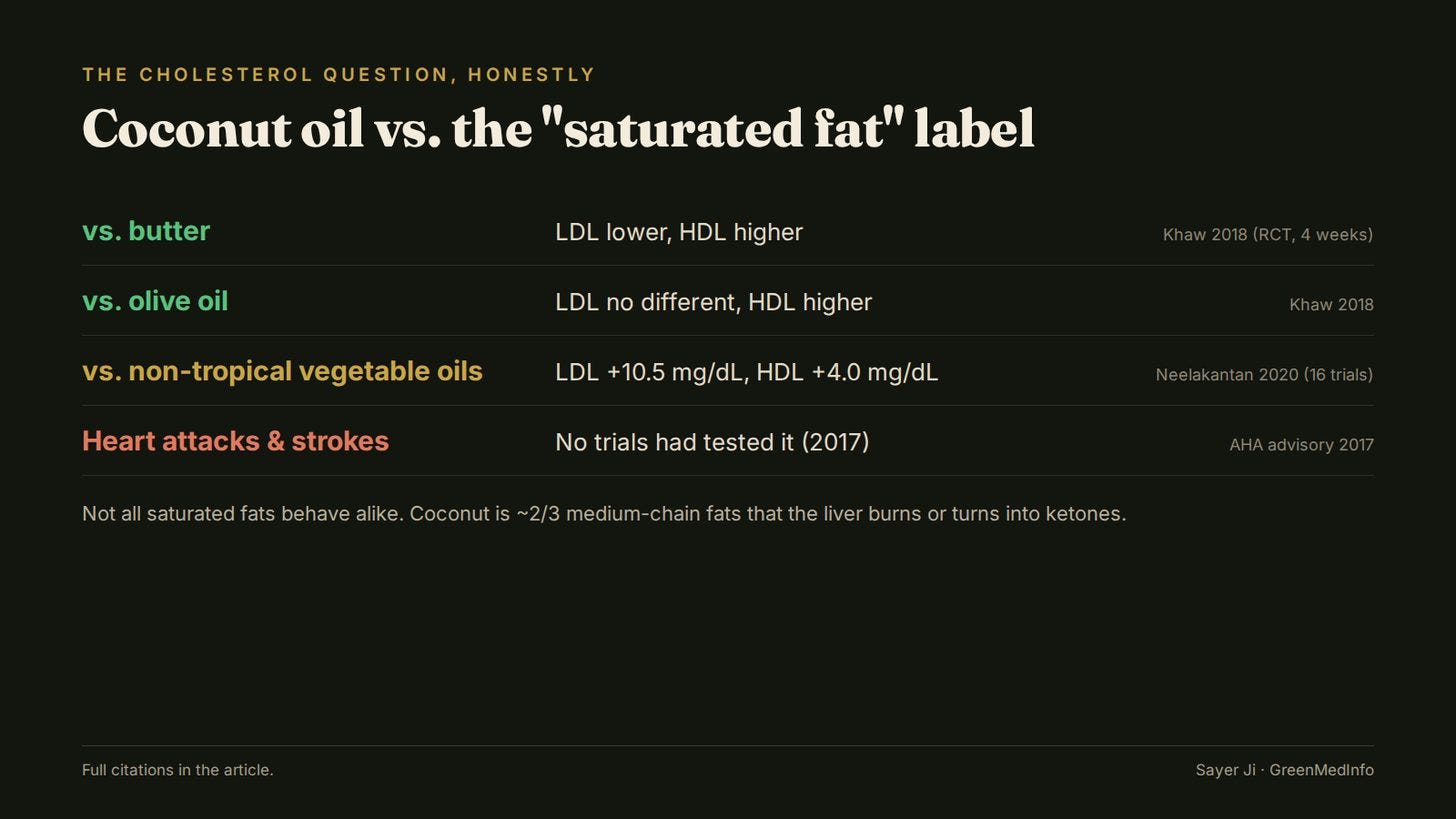
Compared with butter, coconut oil produces lower LDL and higher HDL (Khaw et al., BMJ Open, 2018).
Compared with olive oil, LDL was no different and HDL was higher in the BBC-run trial (Khaw et al., BMJ Open, 2018).
Compared with non-tropical vegetable oils overall, a meta-analysis of 16 trials found coconut oil raised LDL by about 10.5 mg/dL and HDL by about 4.0 mg/dL, with no significant effect on body weight, waist, blood sugar or inflammatory markers (Neelakantan et al., Circulation, 2020).
On actual heart attacks and strokes, the American Heart Association’s 2017 advisory that recommended against coconut oil conceded that clinical trials comparing the direct effects of coconut oil and other dietary oils on cardiovascular disease had not been reported (Sacks et al., Circulation, 2017; GreenMedInfo).
So the defensible position is this: coconut oil raises HDL, behaves far better than butter, and may modestly raise LDL compared with some liquid oils — but the claim that it causes heart disease has never been tested in an outcome trial. The populations who ate the most of it, like the Tokelauans, had little vascular disease. The fat that replaced it, partially hydrogenated oil, was eventually banned. Context matters.
How to Use It
Choose virgin (unrefined), cold-pressed coconut oil. Most of the human trials used virgin or extra virgin oil, which retains more polyphenols than refined versions.
Start low: 1 teaspoon a day, building to 1–2 tablespoons (15–30 mL), the range used in most trials. Too much too fast can cause digestive upset.
Swap, don’t stack. Use it in place of industrial seed oils, margarine or butter, not on top of an already high-fat diet.
For oil pulling: swish 1 tablespoon for 10–20 minutes, then spit it into the trash (not the sink), and rinse.
On skin and hair: apply a thin layer to damp skin; use as a pre-wash hair treatment.
Talk to your doctor if you have a lipid disorder, are pregnant, or are managing a serious condition.
Honorable Mentions
Stroke and brain injury, macular degeneration, multiple sclerosis: each appears in the GreenMedInfo file, mostly from animal and early-stage research (GreenMedInfo: Stroke; Macular Degeneration).
The white rice hack: cooking rice with coconut oil and then cooling it may increase resistant starch and lower its calorie impact — a laboratory finding worth knowing (GreenMedInfo).
Wound and burn healing: coconut oil has been shown in research to speed re-epithelialization, boost antioxidant enzymes and improve collagen cross-linking (GreenMedInfo).
Coconut water: studied separately for effects on body weight and blood sugar (GreenMedInfo).
What This Review Is — and Is Not
Coconut oil is a food, not a cure. It works best as part of a whole-food diet that removes industrial seed oils, refined sugar and ultra-processed foods.
Most human studies are small and short. The strongest are the randomized eczema, head-lice and Staph trials; the belly-fat, oil-pulling and chemotherapy data include uncontrolled or unblinded studies that need larger confirmation.
Some benefits come from MCT research. The brain trials used purified medium-chain triglycerides, which are concentrated forms of coconut’s fats.
Some results come from animals or the lab, including the Candida and insect-repellent findings, and are labeled as such.
The Bottom Line
For a generation, Americans were told that the fat which sustained Pacific island cultures for centuries was “poisoning” them. The replacement turned out to be the real hazard. Meanwhile, the research on coconut quietly piled up — 763 studies and counting — showing a food that shrinks waistlines, raises protective cholesterol, fuels the starving brain, protects teeth and gums, heals eczema, clears Staph, outperforms a pesticide for lice, protects newborn skin and eases the burden of chemotherapy.
The coconut was convicted before the trial. The evidence is now in. It’s time for a retrial.
Explore all 763 studies yourself at the GreenMedInfo Coconut Oil research page.
Consider becoming a paid member of the GreenMedInfo.com community. Without your support, our nearly 20-year project of supporting the world with free access to the science of natural healing would not have survived the constant effort to take these solutions offline. Membership has its benefits. Take a look at the link below, and thank you for your support!

I’m passionate about natural health—and helping people reclaim their vitality and bodily sovereignty. Explore the products I’ve formulated, drawing on the many years of research behind GreenMedInfo.com, my book REGENERATE, and my masterclasses on regeneration.
This article is for educational purposes and is not medical advice. Consult a qualified health professional before changing your diet, supplements or medications.
References
GreenMedInfo. Coconut Oil research page (accessed Oct 13, 2026). greenmedinfo.com/substance/coconut-oil
Prior IA, et al. Cholesterol, coconuts, and diet on Polynesian atolls: a natural experiment — the Pukapuka and Tokelau Island studies. Am J Clin Nutr. 1981. PMID 7270479
TIME. A Crusader From the Heartland: Philip Sokolof. time.com
Los Angeles Times. Attack of the Anti-Fat Man. 1995. latimes.com
CBS News. Food Industry Gadfly Still Buzzing. cbsnews.com
U.S. FDA. Final Determination Regarding Partially Hydrogenated Oils (Removing Trans Fat). fda.gov
Ji S. The Coconut Cure for Alzheimer’s: Dr. Mary Newport’s Forgotten Protocol. GreenMedInfo. 2026. Link
Ji S. 13 Evidence-Based Medicinal Properties of Coconut Oil. GreenMedInfo. Link
Ji S. Oil Pulling, Revisited: What the Best Evidence Actually Shows. GreenMedInfo. 2026. Link
Ji S. The Antifungal You’re Not Hearing About: Coconut Oil’s Evidence-Based Power Against Candida. GreenMedInfo. 2025. Link
Ji S. Let Food Be Your Cosmetic: Coconut Oil Outperforms Dangerous Petroleum Body Care Products. GreenMedInfo. 2013. Link
Liau KM, et al. An open-label pilot study to assess the efficacy and safety of virgin coconut oil in reducing visceral adiposity. ISRN Pharmacol. 2011. PMID 22164340
Assunção ML, et al. Effects of dietary coconut oil on the biochemical and anthropometric profiles of women presenting abdominal obesity. Lipids. 2009. PMID 19437058
Mumme K, Stonehouse W. Effects of medium-chain triglycerides on weight loss and body composition: a meta-analysis. J Acad Nutr Diet. 2015. PMID 25636220
Khaw KT, et al. Randomised trial of coconut oil, olive oil or butter on blood lipids and other cardiovascular risk factors. BMJ Open. 2018. PMID 29511019
Cardoso DA, et al. A coconut extra virgin oil-rich diet increases HDL cholesterol and decreases waist circumference and body mass in coronary artery disease patients. Nutr Hosp. 2015. PMID 26545671
Neelakantan N, et al. The effect of coconut oil consumption on cardiovascular risk factors: a systematic review and meta-analysis. Circulation. 2020. PMID 31928080
Sacks FM, et al. Dietary fats and cardiovascular disease: a presidential advisory from the American Heart Association. Circulation. 2017. PMID 28620111
Reger MA, et al. Effects of beta-hydroxybutyrate on cognition in memory-impaired adults. Neurobiol Aging. 2004. PMID 15123336
Fortier M, et al. A ketogenic drink improves cognition in mild cognitive impairment. Alzheimers Dement. 2021. PMID 33103819
Woolley J, et al. The effect of oil pulling with coconut oil to improve dental hygiene and oral health: a systematic review. Heliyon. 2020. PMID 32923724
Peedikayil FC, et al. Effect of coconut oil in plaque related gingivitis — a preliminary report. Niger Med J. 2015. PMID 25838632
Evangelista MT, et al. The effect of topical virgin coconut oil on SCORAD index, transepidermal water loss, and skin capacitance in mild to moderate pediatric atopic dermatitis. Int J Dermatol. 2014. PMID 24320105
Agero AL, Verallo-Rowell VM. A randomized double-blind controlled trial comparing extra virgin coconut oil with mineral oil as a moisturizer for mild to moderate xerosis. Dermatitis. 2004. PMID 15724344
Verallo-Rowell VM, et al. Novel antibacterial and emollient effects of coconut and virgin olive oils in adult atopic dermatitis. Dermatitis. 2008. PMID 19134433
Gunsalus KT, et al. Manipulation of host diet to reduce gastrointestinal colonization by the opportunistic pathogen Candida albicans. mSphere. 2016. PMID 27303684
Burgess IF, et al. Clinical trial showing superiority of a coconut and anise spray over permethrin 0.43% lotion for head louse infestation. Eur J Pediatr. 2010. PMID 19343362
Sankaranarayanan K, et al. Oil massage in neonates: an open randomized controlled study of coconut versus mineral oil. Indian Pediatr. 2005. PMID 16208048
Strunk T, et al. Topical coconut oil in very preterm infants: an open-label randomised controlled trial. Neonatology. 2018. PMID 29197867
Law KS, et al. The effects of virgin coconut oil on the quality of life of breast cancer patients. Lipids Health Dis. 2014. PMID 25163649
Rele AS, Mohile RB. Effect of mineral oil, sunflower oil, and coconut oil on prevention of hair damage. J Cosmet Sci. 2003. PMID 12715094
Zhu JJ, et al. Better than DEET repellent compounds derived from coconut oil. Sci Rep. 2018. PMID 30232355