

What 665 studies in the GreenMedInfo database reveal about the root causes of psoriasis — gluten, a leaky gut, metabolic overload and toxic triggers — and the 10 most powerful evidence-based ways to address them
If you have psoriasis, you have almost certainly heard some version of this: “It’s genetic. It’s chronic. There’s no cure. Here’s a cream — and if that doesn’t work, an injection you’ll need for the rest of your life.”
Psoriasis affects an estimated 125 million people worldwide (GreenMedInfo), and it is far more common in high-income countries — reaching about 1.5% in North America and nearly 2% in western Europe and Australasia (Parisi et al., BMJ, 2020). That geography alone is a clue. Genes load the gun. But something in the modern environment keeps pulling the trigger.
This review takes everything GreenMedInfo has gathered on psoriasis — the research database, the articles, and the philosophy behind how we read them — and asks a different question than “how do we suppress the rash?” It asks: why is the immune system attacking the skin in the first place, and what can we remove or restore to make it stop?
Part I: What 665 Studies Show
The GreenMedInfo Psoriasis page indexes 665 research abstracts, 187 natural substances, 21 therapeutic actions, 55 pharmacological actions, 9 problem substances and 25 articles (GreenMedInfo).
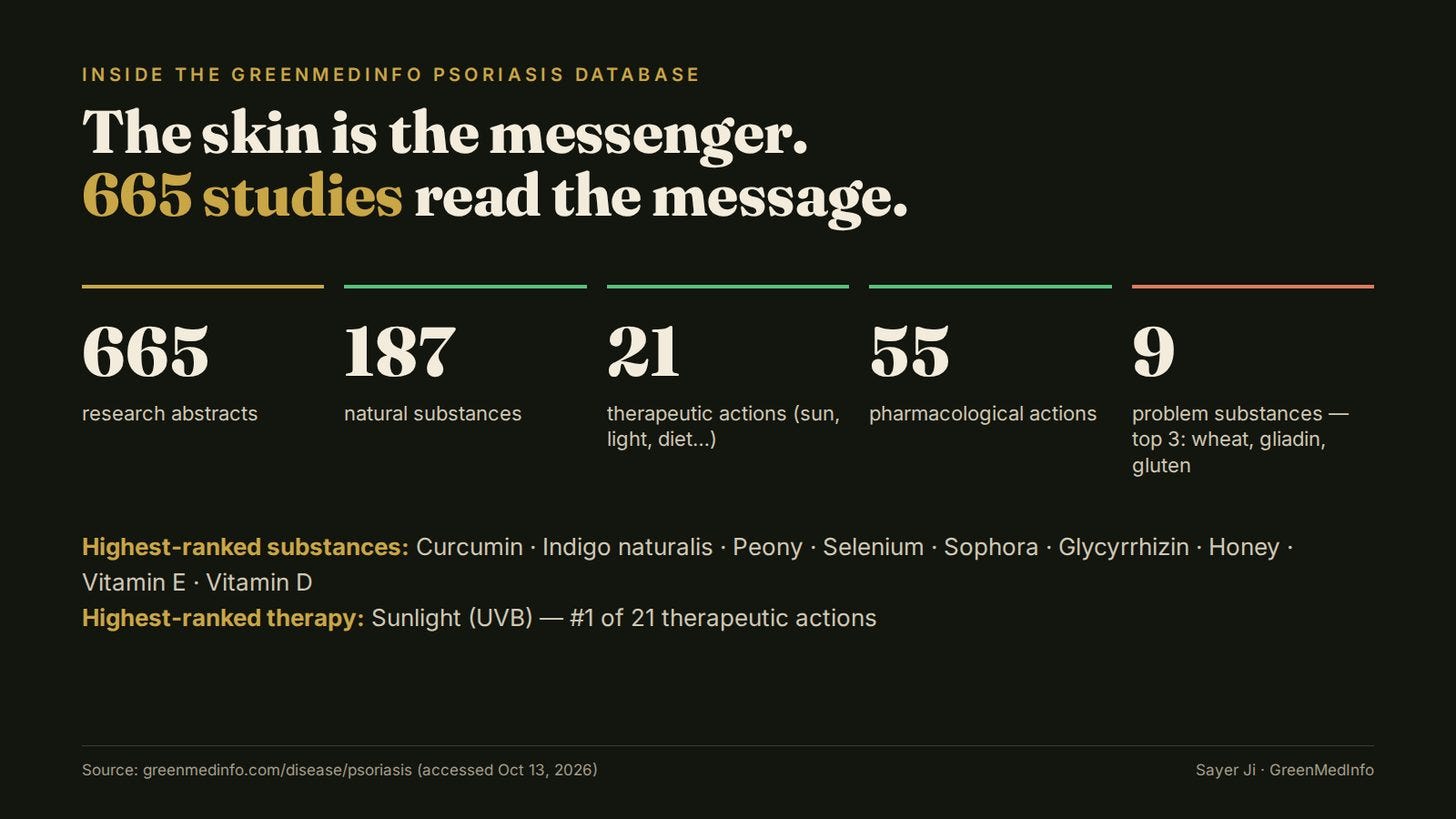
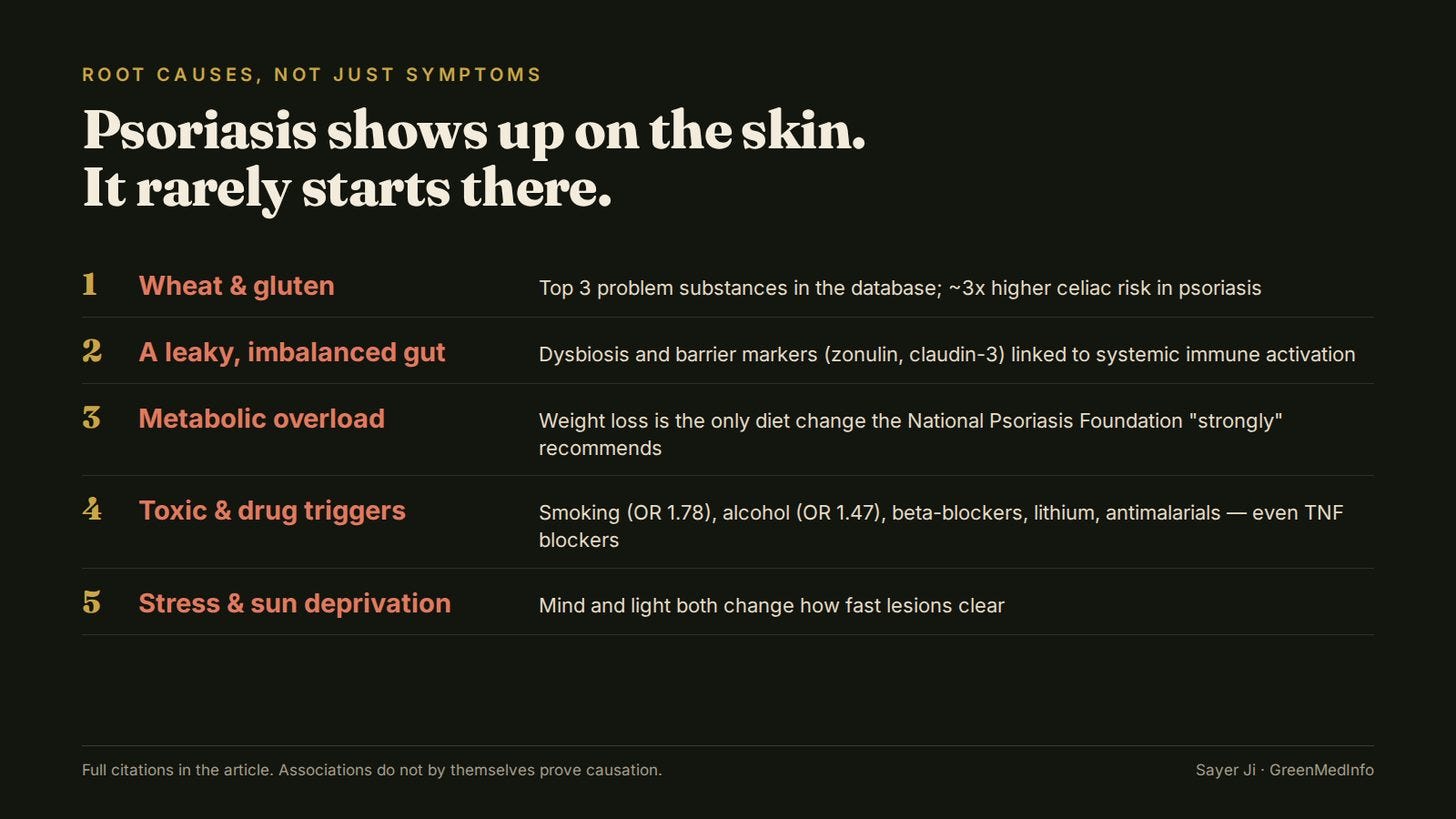
The top problem substances are not exotic chemicals. They are wheat, gliadin and gluten — the three highest-ranked problem substances in the entire file, followed by statin drugs, alcohol and NSAIDs (GreenMedInfo: Wheat; Gliadin). That single fact reframes the conversation. For a meaningful subset of people with psoriasis, the trigger may be on the dinner plate.
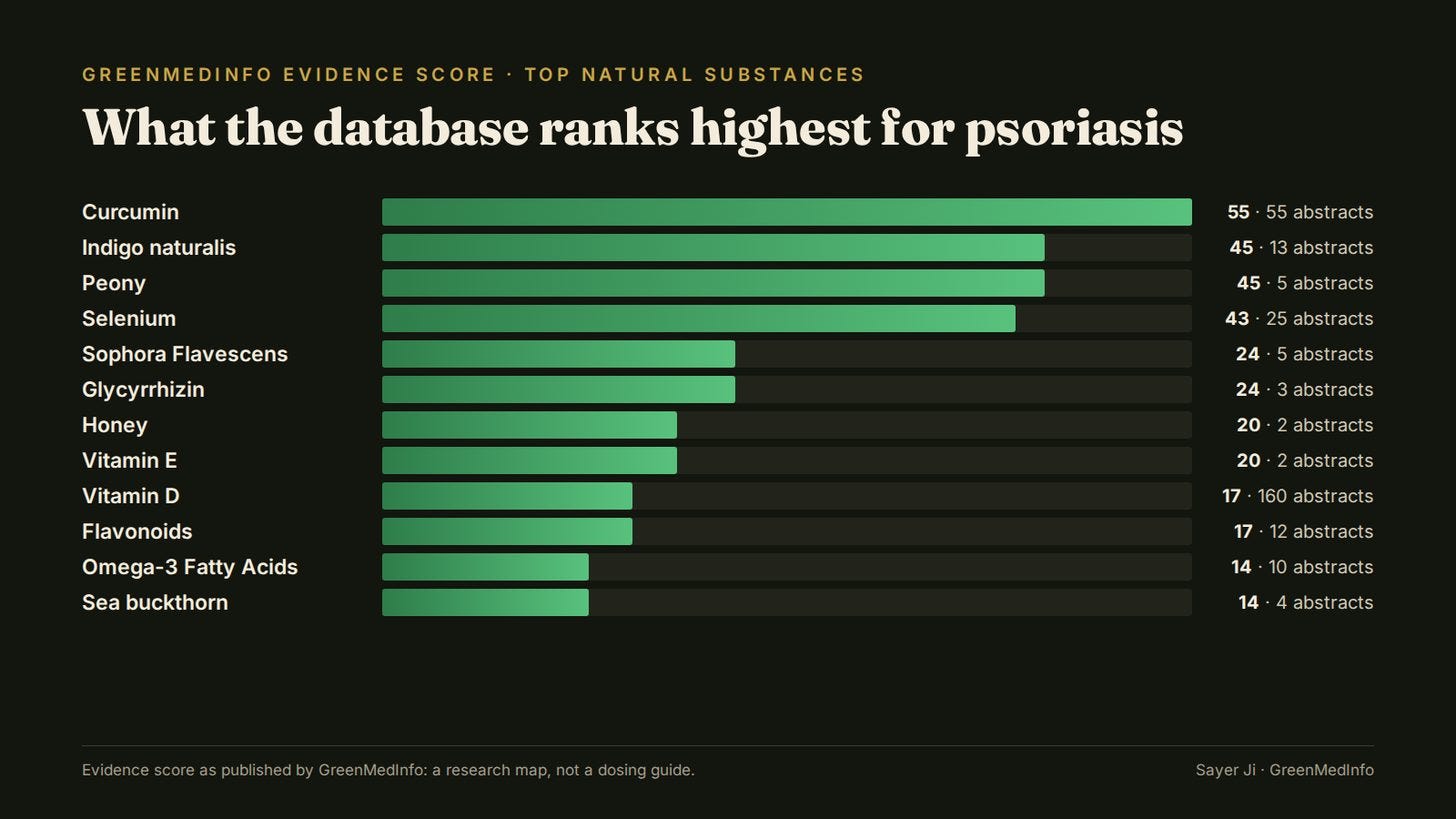
The top-ranked substances are a spice, an ancient herbal dye and a trace mineral. Curcumin (from turmeric) leads, followed by indigo naturalis (the traditional Chinese herb Qing Dai), peony, selenium, sophora, glycyrrhizin from licorice, honey, vitamin E and vitamin D. Vitamin D has the most abstracts of any substance — 160 (GreenMedInfo).
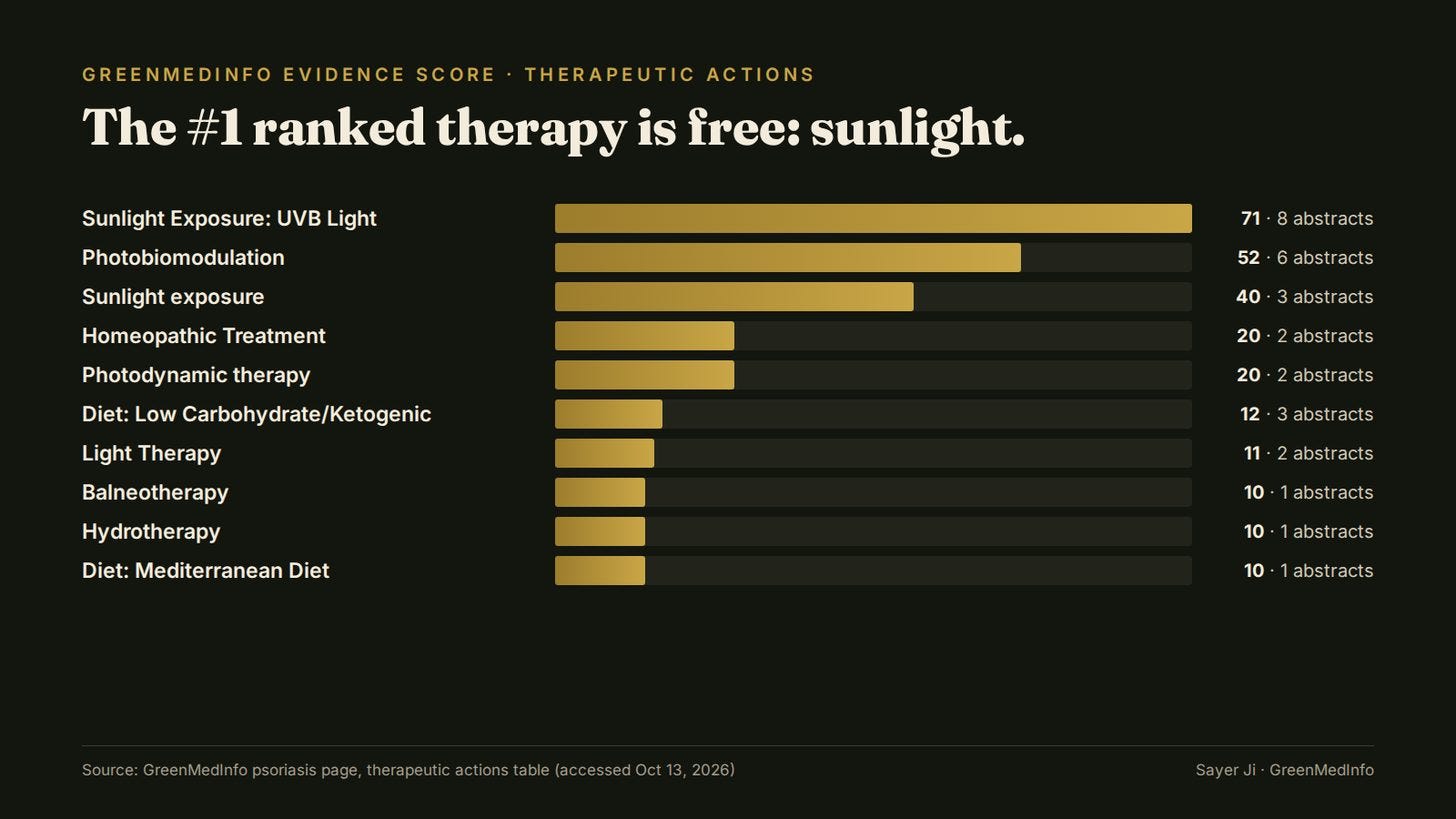
The top-ranked therapy is free. Among 21 therapeutic actions, UVB sunlight exposure ranks first, followed by photobiomodulation, general sunlight exposure, photodynamic therapy, low-carbohydrate/ketogenic diets, light therapy, balneotherapy (mineral bathing), and the Mediterranean diet (GreenMedInfo: UVB Sunlight).
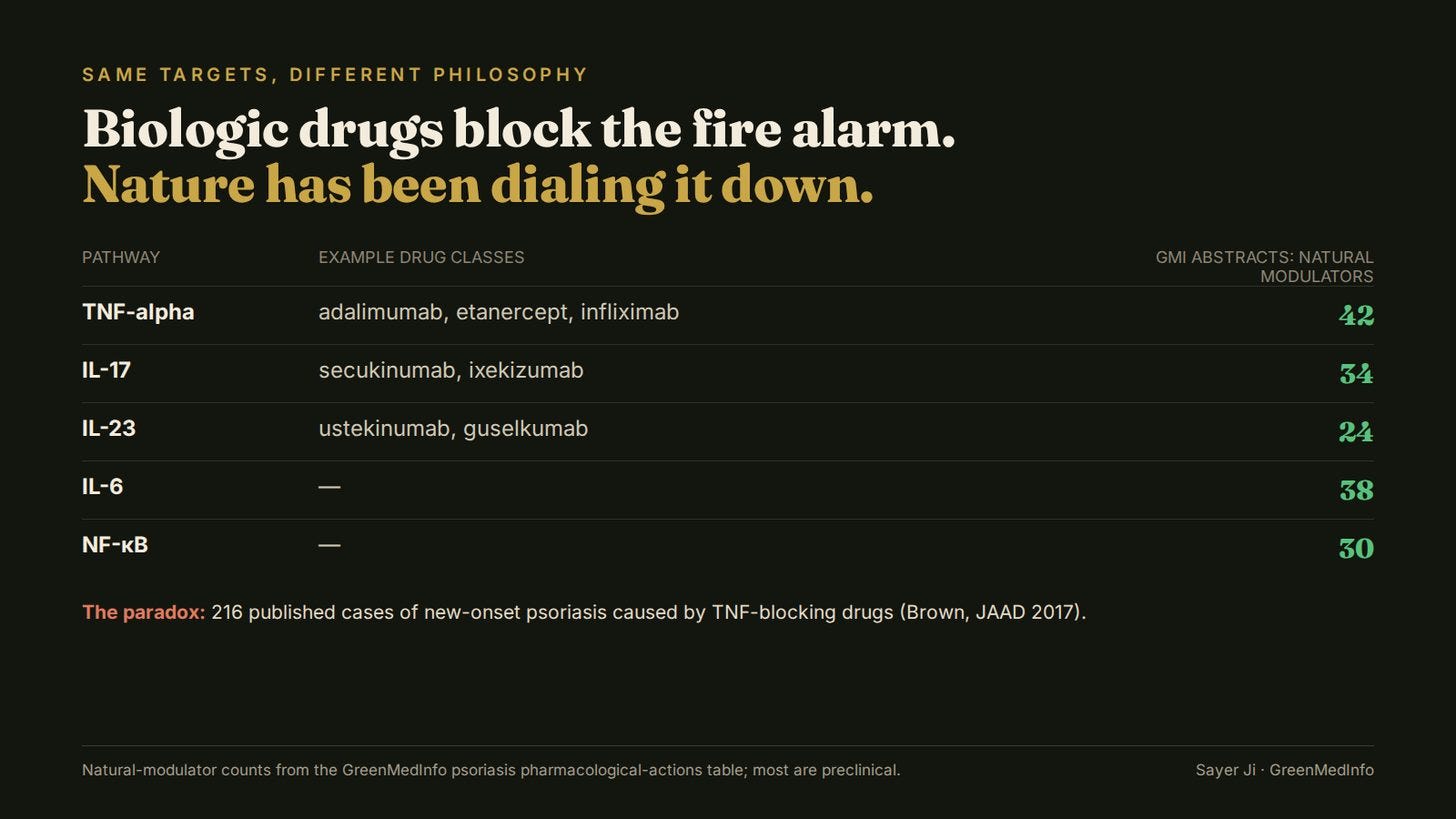
And the mechanisms map onto the very same pathways the blockbuster drugs target. The most-studied pharmacological actions in the file are anti-inflammatory activity (151 abstracts), TNF-alpha inhibition (42), IL-6 downregulation (38), IL-17 downregulation (34), NF-kappaB inhibition (30) and IL-23 downregulation (24) (GreenMedInfo). Those are precisely the targets of today’s biologic injections. Most of the natural-compound data are preclinical, so this is not a claim of equivalence — but it shows that nature has been working on the same immune circuits all along.
Part II: The Philosophy — Reading the Skin as a Messenger
1. The skin is the mirror of the gut
Psoriasis is an immune disorder that expresses itself in the skin. The skin is where we see it; it is rarely where it begins. A 2022 review of the gut microbiome in psoriasis found that disturbances in gut bacteria are correlated with elevated blood markers of a leaky intestinal barrier — claudin-3, zonulin and intestinal fatty acid-binding protein — and that this translocation “results in systemic immune activation leading to phenotypic expression of psoriasis in genetically susceptible individuals” (Wilchowski et al., J Clin Aesthet Dermatol, 2022). Researchers now speak of a “gut-brain-skin axis” linking gut flora, emotional state and skin inflammation (GreenMedInfo).
2. Wheat’s dark side was never just about celiacs
In 2008 I published “The Dark Side of Wheat,” arguing that wheat could be harmful to everyone, not just people with celiac disease. Seventeen years later, I revisited the science. Gliadin, the main gluten protein, triggers the release of zonulin — the molecule that opens the tight junctions between intestinal cells — and, as Dr. Alessio Fasano put it, it does so “irrespective of genetic expression of autoimmunity” (GreenMedInfo, 2025; Fasano, Ann N Y Acad Sci, 2012). Wheat germ agglutinin, a lectin concentrated in “healthy” whole wheat, adds a second layer of gut irritation. GreenMedInfo has catalogued 230 distinct health conditions and adverse effects associated with wheat, with psoriasis among the autoimmune conditions linked to its consumption in some patients (GreenMedInfo).
3. Suppression is not resolution
Modern biologic drugs can be life-changing for people with severe disease, and nothing here says otherwise. But they work by blocking a signal, not by asking why the signal is firing. And they carry a paradox that is rarely discussed: a systematic review identified 216 published cases of new-onset psoriasis caused by TNF-alpha–blocking drugs — the same drug class used to treat it. Patients who stopped the drug had the greatest resolution (47.7%) (Brown et al., J Am Acad Dermatol, 2017). When the body’s signaling is forced in one direction, it can find another way to express the imbalance.
4. Subtract before you add
The GreenMedInfo approach is simple to state: first remove what is provoking the immune system — the dietary triggers, the toxicants, the medications, the chronic stress — and then supply what it lacks: light, nutrients, a healthy microbiome, calm. As I wrote years ago, regeneration is the default state of the human body (GreenMedInfo). Skin, which renews itself roughly every month, is one of the clearest demonstrations of that principle.
The GreenMedInfo lens, in one sentence: psoriasis is the skin speaking for the gut, the immune system and the environment — listen to the message, remove the triggers, and the skin often follows.
Part III: The 10 Most Powerful Evidence-Based Approaches
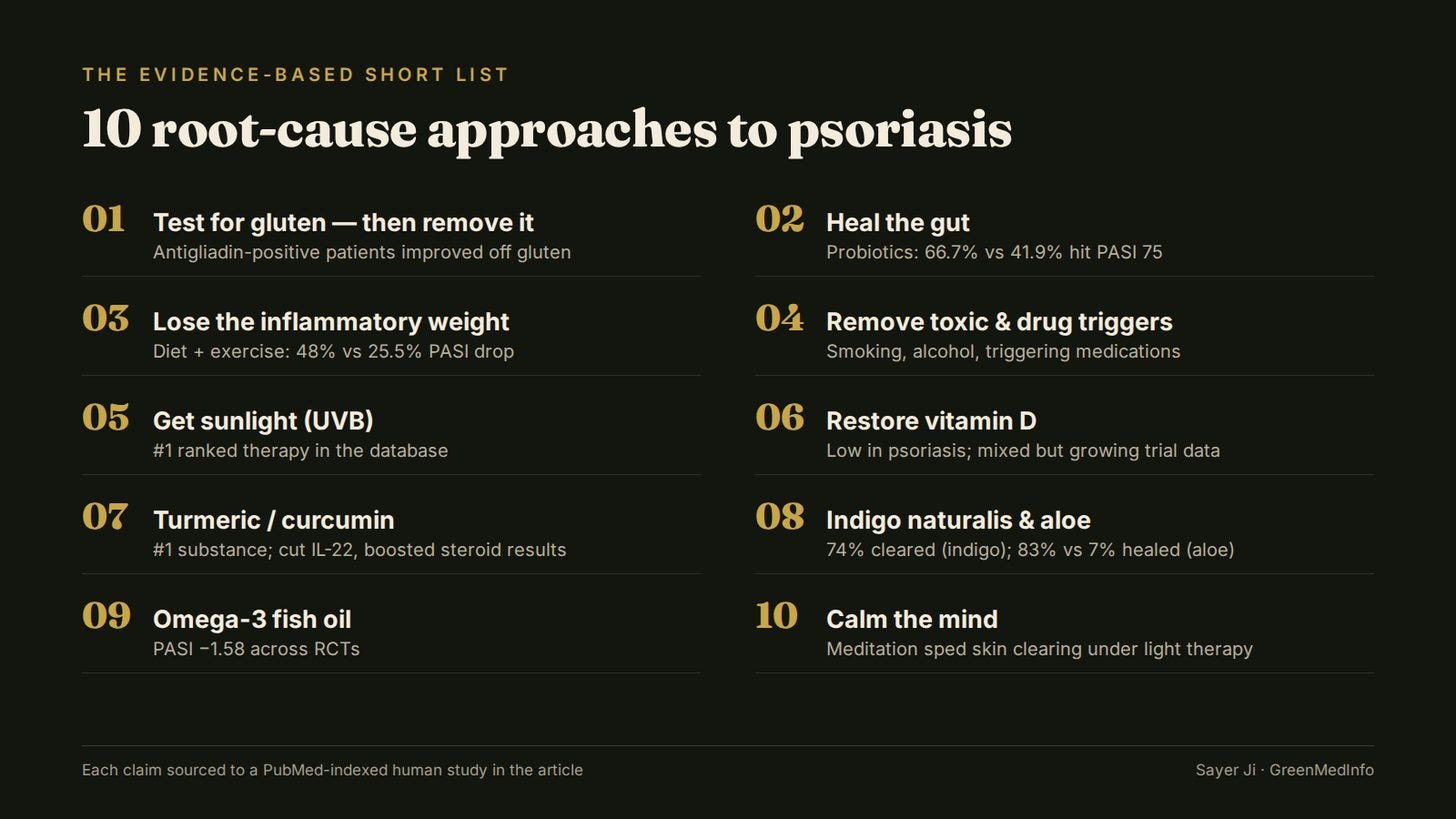
I chose these ten using two filters: how strongly each ranks in the GreenMedInfo database, and whether it has been tested in humans. The first four address root causes. The next six restore what the skin and immune system need. Each section opens with a plain-language summary, followed by a technical callout with the numbers.
1. Test for gluten sensitivity — then remove it
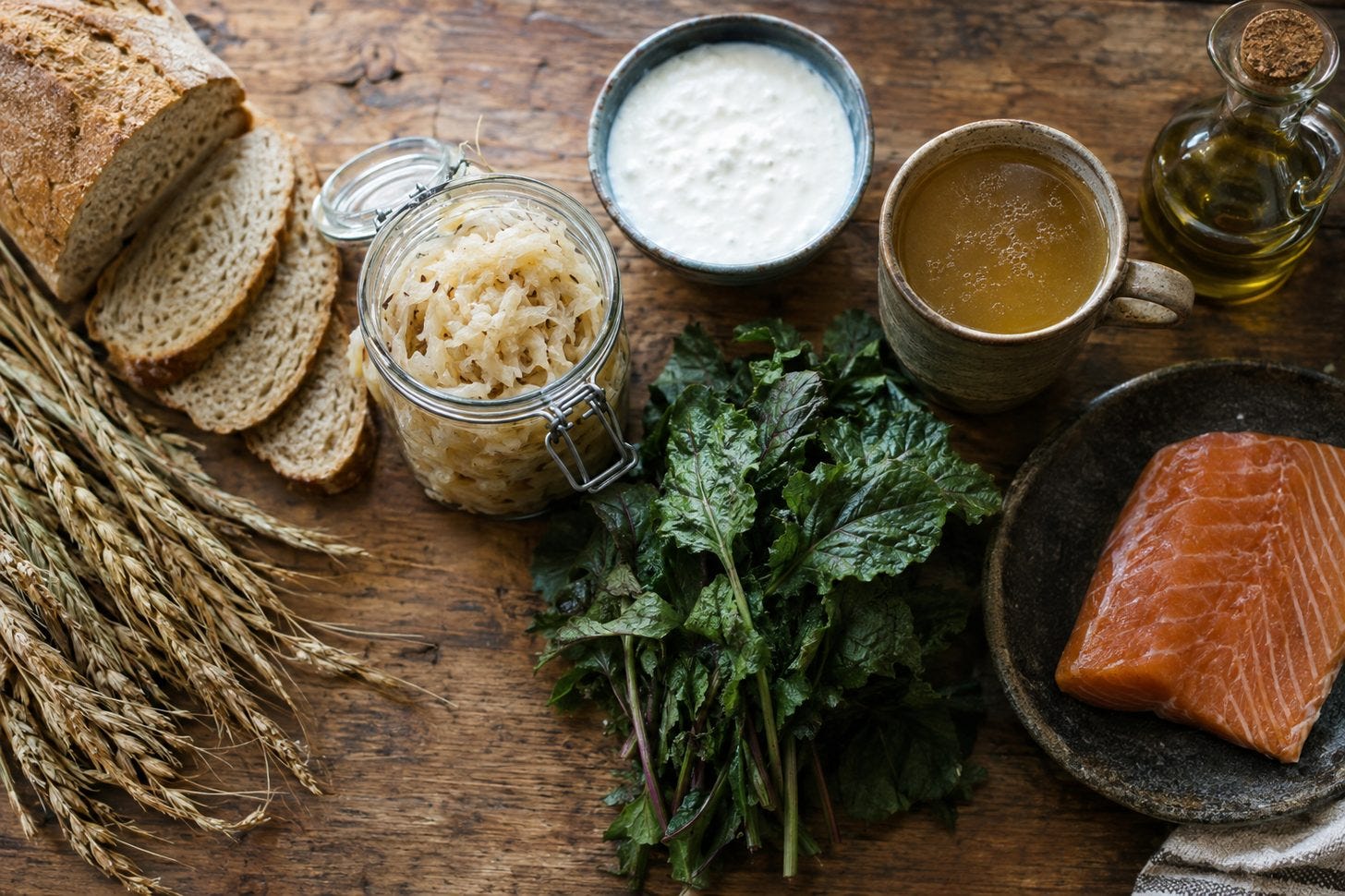
About one in six people with psoriasis carry antibodies against gliadin, the core protein in gluten. In Swedish trials, those antibody-positive patients improved on a gluten-free diet — even those whose intestinal biopsies looked normal — and most got worse again when they went back to eating gluten. People with psoriasis also have roughly three times the odds of celiac disease. This is now acknowledged by the National Psoriasis Foundation, which recommends a gluten-free trial for patients who test positive for gluten-sensitivity markers (GreenMedInfo: Gluten-Free).
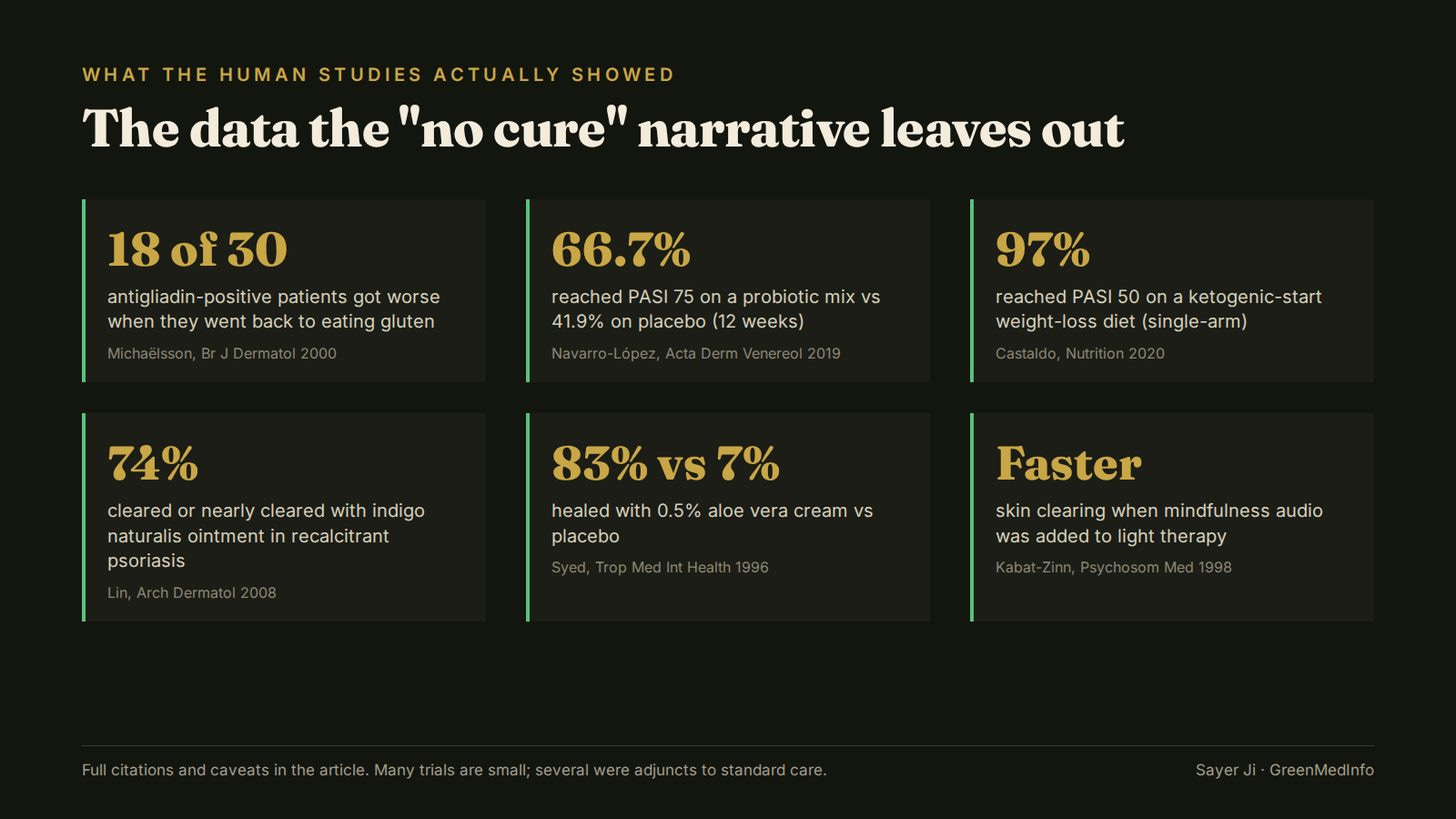
The evidence: In 33 antigliadin antibody (AGA)–positive psoriasis patients, 30 completed a gluten-free diet and showed a “highly significant decrease in mean PASI,” including those with normal duodenal histology; AGA-negative patients did not improve; psoriasis deteriorated in 18 of the 30 when their ordinary diet was resumed (Michaëlsson et al., Br J Dermatol, 2000). After 3 months gluten-free, Ki67+ proliferating cells in lesional dermis fell significantly, and overexpressed tissue transglutaminase in psoriatic skin decreased by 50% (Michaëlsson et al., Acta Derm Venereol, 2003). A meta-analysis of 12,912 psoriasis patients found a pooled odds ratio of 3.09 for celiac disease (Ungprasert et al., Indian J Dermatol, 2017). The National Psoriasis Foundation Medical Board “weakly recommend[s] a gluten-free diet only in patients who test positive for serologic markers of gluten sensitivity” (Ford et al., JAMA Dermatol, 2018).
How to apply it: Ask for celiac and gluten-sensitivity testing (tissue transglutaminase IgA, deamidated gliadin and antigliadin antibodies) before going gluten-free, since removing gluten first can mask results. If positive, commit to a strict 3-month trial. Many people without antibodies also report improvement; a careful elimination-and-reintroduction trial is a reasonable personal experiment.
2. Heal the gut — probiotics and fermented foods
If the gut barrier is a gateway to systemic inflammation, then rebuilding the microbiome should calm the skin. A Spanish randomized, double-blind trial tested exactly that, giving a three-strain probiotic alongside standard topical treatment. Two-thirds of the probiotic group achieved a 75% reduction in their psoriasis score, versus about four in ten on placebo (GreenMedInfo: Probiotics; GreenMedInfo: Heal Your Gut).
The evidence: Ninety adults with plaque psoriasis were randomized to a probiotic mixture (Bifidobacterium longum, B. lactis and Lactobacillus rhamnosus) or placebo for 12 weeks. 66.7% of the probiotic group versus 41.9% of the placebo group achieved PASI 75 (p<0.05), and 48.9% versus 30.2% reached a Physician Global Assessment of clear or almost clear (Navarro-López et al., Acta Derm Venereol, 2019). Six months after the study ended, the probiotic group had a lower risk of relapse.
How to apply it: Eat fermented vegetables, kefir or yogurt (if dairy-tolerant) and plenty of fiber-rich plants. Consider a multi-strain probiotic. Bone broth and the “remove, replace, repair, rebalance” approach are classic gut-healing frameworks (GreenMedInfo).
3. Lose the inflammatory weight — low-glycemic, Mediterranean and ketogenic eating
Belly fat is not inert storage; it is an inflammatory organ that pumps out the same signaling molecules that drive psoriasis. That is why weight loss is the only dietary change the National Psoriasis Foundation “strongly” recommends. In randomized trials, diet and exercise nearly doubled the improvement compared with advice alone, and a ketogenic-start weight-loss program produced dramatic results in a single-arm study. Low-carbohydrate/ketogenic diets rank #5 among therapeutic actions in our file (GreenMedInfo: Ketogenic).
The evidence: The National Psoriasis Foundation reviewed 55 studies and “strongly recommend[ed] dietary weight reduction with a hypocaloric diet in overweight and obese patients with psoriasis” (Ford et al., JAMA Dermatol, 2018). In an Italian RCT of overweight patients on systemic therapy, a 20-week diet-plus-exercise program produced a median PASI reduction of 48% versus 25.5% with information only (P=0.02) (Naldi et al., Br J Dermatol, 2014). In a Danish RCT, a low-energy diet produced 15.4 kg more weight loss and significantly improved quality of life (DLQI, P=0.02), with a trend toward PASI improvement (P=0.06) (Jensen et al., JAMA Dermatol, 2013). In a single-arm study of drug-naïve overweight patients, a very-low-calorie ketogenic phase followed by a Mediterranean-like diet reduced PASI by a mean of 10.6 points; 97.3% achieved PASI 50 and 64.9% PASI 75 (Castaldo et al., Nutrition, 2020). In 35,735 French adults, those with severe psoriasis had lower adherence to the Mediterranean diet (Phan et al., JAMA Dermatol, 2018).
How to apply it: Remove sugar, refined flour and ultra-processed food first. Build meals around vegetables, olive oil, wild fish, legumes, nuts and herbs. A supervised ketogenic phase can jump-start weight loss for those who need it.
4. Remove the toxic and drug triggers
Some of the most powerful interventions are things you stop doing. Smoking is now considered a causal risk factor for psoriasis. Heavier drinking is associated with higher risk. And a list of common medications is well known to trigger or worsen psoriasis — including blood pressure beta-blockers, lithium, antimalarials like hydroxychloroquine, and, paradoxically, TNF-blocking biologics. GreenMedInfo also lists statin drugs and NSAIDs among its problem substances for psoriasis, and has documented the heavy metals, carcinogens and immune-skewing plasticizers found in tattoo inks, which can trigger underlying psoriasis at the injection site (GreenMedInfo: Alcohol; GreenMedInfo: Tattoo Inks).
The evidence: A meta-analysis of 146,934 psoriasis patients found current smoking associated with an odds ratio of 1.78 and former smoking 1.62 (Armstrong et al., Br J Dermatol, 2014); Mendelian randomization supports a causal effect of smoking initiation (OR 1.46) and lifetime smoking (OR 1.96) on psoriasis (Wei et al., Br J Dermatol, 2022). Alcohol consumption was associated with psoriasis (OR 1.47), with odds rising 4% per additional daily gram (Choi et al., J Dtsch Dermatol Ges, 2024), though the genetic analysis above found no causal link for alcohol. “Strong associations have been documented for beta-blockers, lithium, antimalarial drugs such as (hydroxy)chloroquine, interferons, imiquimod, and terbinafine” (Balak & Hajdarbegovic, Psoriasis (Auckl), 2017). A systematic review identified 216 cases of TNF-inhibitor–induced psoriasis (Brown et al., J Am Acad Dermatol, 2017).
How to apply it: Quit smoking — it is the single most evidence-backed toxic trigger to remove. Minimize alcohol. Review every medication with your prescriber; never stop a drug abruptly. Choose fragrance-free, low-toxicity personal care products, and think twice before new tattoos during active disease.
5. Get sunlight — the #1 ranked therapy
Dermatology already uses ultraviolet B light as a frontline treatment for psoriasis — it simply delivers it through a machine. Natural sunlight, the Dead Sea’s unique low-altitude UV environment, and mineral bathing all rank highly in our database. Sunlight also works through pathways beyond vitamin D, which is why the two are not interchangeable (GreenMedInfo; GreenMedInfo: Balneotherapy).
The evidence: UVB sunlight exposure is the highest-scoring of the 21 therapeutic actions in the GreenMedInfo psoriasis file (GreenMedInfo). A Cochrane review of 13 RCTs (662 participants) found narrow-band UVB and PUVA similarly effective in several comparisons, with NB-UVB “more convenient to use” (Chen et al., Cochrane Database Syst Rev, 2013). Molecular studies of Dead Sea climatotherapy biopsies describe it as a highly effective short-term anti-inflammatory treatment (Emmanuel et al., Exp Dermatol, 2022).
How to apply it: Short, regular, non-burning exposures of affected skin to midday sun are the natural version of phototherapy. Build up gradually, never burn, and discuss it with your clinician if you have a history of skin cancer or take photosensitizing drugs.
6. Restore vitamin D
Vitamin D has more abstracts than any other substance in the psoriasis file — 160 (GreenMedInfo: Vitamin D). People with psoriasis consistently have lower blood levels, and the most widely prescribed topical psoriasis drugs are vitamin D analogues. The oral supplement trials are honestly mixed: some meta-analyses show no significant benefit, while the largest recent network analysis found a modest reduction in severity. A small Brazilian pilot study using very high doses under medical supervision reported striking improvement.
The evidence: Across 23 studies, psoriasis patients had significantly lower 25(OH)D levels than controls; four RCTs found no significant PASI difference with oral vitamin D at 3, 6 and 12 months (Formisano et al., Nutrients, 2023). By contrast, a 2025 network meta-analysis of 21 RCTs (n=1,463) found vitamin D significantly reduced PASI (mean difference −3.29), with vitamin D plus NB-UVB most consistently lowering IL-6, IL-17 and IL-23 (Chen et al., Front Nutr, 2025). In a pilot study, 35,000 IU/day of D3 for six months with a low-calcium diet and hydration significantly improved PASI in all nine psoriasis patients, without hypercalcemia (Finamor et al., Dermatoendocrinol, 2013). That dose is not for self-experimentation; GreenMedInfo’s own coverage stresses physician supervision (GreenMedInfo).
How to apply it: Test your 25(OH)D level. Prioritize sunlight; supplement D3 (with K2) to correct deficiency, under guidance.
7. Turmeric and curcumin — the database’s #1 substance
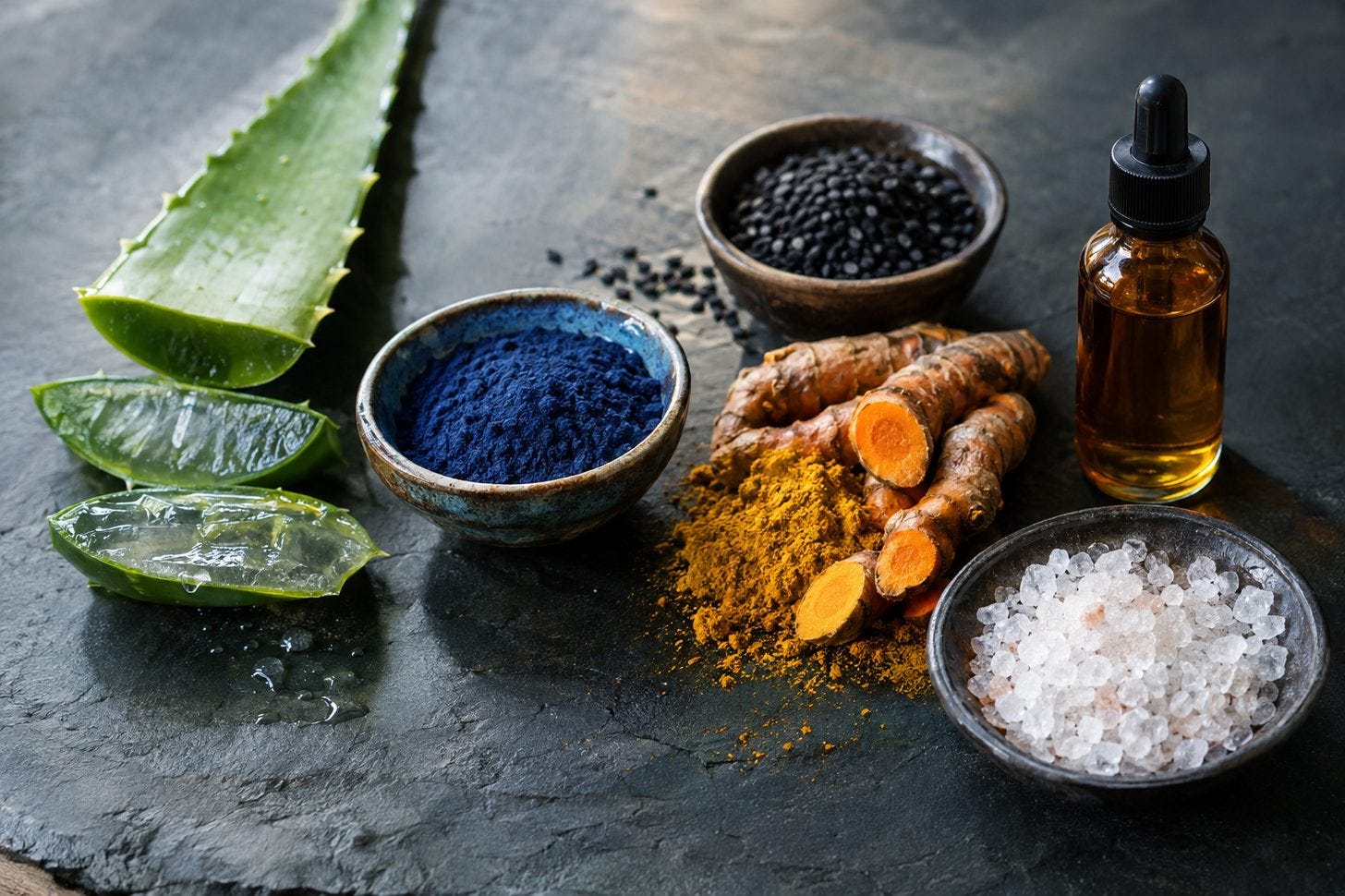
Curcumin ranks first among all 187 substances in our psoriasis file (GreenMedInfo: Curcumin). In human trials it has worked both inside and out: a highly absorbable oral form improved results when added to standard steroid creams and lowered IL-22, a key psoriasis cytokine; and a turmeric scalp tonic outperformed placebo for scalp psoriasis.
The evidence: In 63 patients with mild-to-moderate psoriasis, adding oral lecithin-bound curcumin (Meriva, 2 g/day) to topical steroids for 12 weeks produced a greater PASI reduction than steroids alone and significantly reduced serum IL-22 (Antiga et al., Biomed Res Int, 2015). In a randomized placebo-controlled trial in 40 patients with scalp psoriasis, a twice-daily turmeric tonic for 9 weeks significantly reduced redness, scaling and thickness and improved quality of life (P<0.05) (Bahraini et al., J Cosmet Dermatol, 2018).
How to apply it: Cook with turmeric, black pepper and fat daily. For therapeutic use, choose a bioavailable formulation. Use caution with blood thinners and gallbladder disease.
8. Indigo naturalis and aloe vera — topical botanicals with remarkable trials
Indigo naturalis — the deep-blue powder known in Chinese medicine as Qing Dai — is the #2 substance in our psoriasis file (GreenMedInfo: Indigo Naturalis). In a Taiwanese trial in patients whose psoriasis had resisted other treatment, roughly three in four cleared or nearly cleared on the treated side. Aloe vera, the familiar kitchen-windowsill plant, produced one of the most striking placebo-controlled results in the entire dermatology literature (GreenMedInfo: Aloe Vera; GreenMedInfo article).
The evidence: In an observer-blind, vehicle-controlled, intrapatient RCT in 42 patients with recalcitrant plaque psoriasis, indigo naturalis ointment reduced the combined scaling, redness and thickness score (6.3 vs 12.8) and plaque area (38.5% vs 90% of baseline), with 74% achieving clearance or near-clearance on the treated lesion (P<.001) (Lin et al., Arch Dermatol, 2008). An oil extract of indigo naturalis has also been tested in a randomized trial for psoriatic nails (Lin et al., JAMA Dermatol, 2015). In a double-blind, placebo-controlled trial in 60 patients, 0.5% aloe vera extract cream “cured” 25 of 30 patients (83.3%) versus 2 of 30 on placebo (6.6%; P<0.001) (Syed et al., Trop Med Int Health, 1996). Later aloe trials have been less dramatic, so this result deserves replication.
How to apply it: Pure aloe gel can be applied to plaques several times daily. Indigo naturalis is used topically in specially prepared ointments or oils — work with a practitioner experienced in Chinese medicine, and note that it stains.
9. Omega-3 fish oil
The fats in wild fish help resolve inflammation. Pooled trials show omega-3s modestly reduce psoriasis severity, redness and scaling — with the clearest benefit when combined with conventional treatment. They also improve the cardiovascular and metabolic risk factors that travel with psoriasis (GreenMedInfo: Omega-3).
The evidence: A meta-analysis of RCTs found omega-3 supplementation reduced PASI by 1.58 points (95% CI −2.24 to −0.92; P<0.001), along with erythema and scaling (Clark et al., Clin Rheumatol, 2019). A systematic review of 18 RCTs found fish oil alone had no significant effect on PASI, but combined with conventional treatment it reduced PASI by 3.92 points and lesion area, and improved obesity and cardiovascular risk factors (Chen et al., Nutr Rev, 2020). This matters because severe psoriasis carries a roughly threefold relative risk of heart attack in a 30-year-old (Gelfand et al., JAMA, 2006).
How to apply it: Eat wild salmon, sardines and mackerel two to three times weekly, or use a quality fish or algal oil.
10. Calm the mind
Almost everyone with psoriasis knows stress makes it flare. What fewer people know is that the reverse has been demonstrated: in a randomized trial led by Jon Kabat-Zinn, patients who listened to a guided mindfulness recording during light therapy cleared their skin significantly faster than those who received light therapy alone. The mind is not separate from the skin.
The evidence: Thirty-seven patients with psoriasis about to start UVB or PUVA were randomized to mindfulness-based audiotaped instructions during treatment or to light therapy alone. The meditation groups reached both the “halfway point” (p=.013) and the “clearing point” (p=.033) significantly more rapidly (Kabat-Zinn et al., Psychosom Med, 1998). Meditation, vagus nerve stimulation and electroacupuncture all appear among the therapeutic actions in the GreenMedInfo file (GreenMedInfo).
How to apply it: Ten to twenty minutes of daily meditation, breathwork or prayer. Protect your sleep. Treat stress as a physiological trigger, not a character flaw.
Honorable Mentions
Selenium: the #4 substance in the database; levels are low in psoriasis and other skin diseases (GreenMedInfo: Selenium; GreenMedInfo article).
Pycnogenol (pine bark): in a registry study, 150 mg/day added to standard care improved severity scores and skin moisture, shortened treatment time by 32% and cut costs by 36.4% (Belcaro et al., Panminerva Med, 2014).
Black seed (Nigella sativa): oral plus topical use has been reported to help psoriasis in clinical studies (GreenMedInfo).
Sea buckthorn, peony, sophora, licorice (glycyrrhizin), honey and vitamin E all rank in the top tier of the 187-substance list, with an evolving mix of preclinical and early human data (GreenMedInfo).
What This Review Is — and Is Not
This is not a claim that any single food, herb or supplement cures psoriasis. The strongest evidence supports combining trigger removal with restorative therapies.
The evidence varies in strength. Randomized trials (probiotics, weight loss, curcumin, indigo naturalis, aloe, omega-3, mindfulness) carry more weight than observational associations (smoking, alcohol, Mediterranean diet), which carry more weight than small pilot studies and laboratory data.
Some results are honestly mixed — oral vitamin D and fish oil alone are the clearest examples — and I have reported them as such.
Many of these trials were adjuncts to standard care rather than replacements for it.
Work with a qualified practitioner, especially before changing medications, starting high-dose supplements, or if you have psoriatic arthritis.
The Bottom Line
For decades, people with psoriasis have been told to manage the symptom for life. The research tells a more hopeful story. Gluten-sensitive patients improve when gluten leaves the plate — and relapse when it returns. A probiotic moved two-thirds of patients to a 75% improvement. Diet and exercise nearly halved disease severity. A kitchen-windowsill plant and an ancient blue herb outperformed placebo by wide margins. Even a meditation recording made the skin clear faster.
The skin is not the enemy. It is the messenger. When we listen — and remove what is provoking the immune system — regeneration becomes possible.
Explore all 665 studies yourself at the GreenMedInfo Psoriasis research page.
Consider becoming a paid member of the GreenMedInfo.com community. Without your support, our nearly 20-year project of supporting the world with free access to the science of natural healing would not have survived the constant effort to take these solutions offline. Membership has its benefits. Take a look at the link below, and thank you for your support!

I’m passionate about natural health—and helping people reclaim their vitality and bodily sovereignty. Explore the products I’ve formulated, drawing on the many years of research behind GreenMedInfo.com, my book REGENERATE, and my masterclasses on regeneration.
This article is for educational purposes and is not medical advice. Consult a qualified health professional before changing your diet, supplements or medications.
References
GreenMedInfo. Psoriasis research page (accessed Oct 13, 2026). greenmedinfo.com/disease/psoriasis
Parisi R, et al. National, regional, and worldwide epidemiology of psoriasis. BMJ. 2020. PMID 32467098
Wilchowski SM, et al. The role of the gut microbiome in psoriasis. J Clin Aesthet Dermatol. 2022. PMID 35382440
Fasano A. Zonulin, regulation of tight junctions, and autoimmune diseases. Ann N Y Acad Sci. 2012. PMID 22731712
Ji S. Beyond the Gluten-Free Fad: The Unchanged Truth About Wheat’s Universal Toxicity. GreenMedInfo. 2025. Link
Brown G, et al. TNF-α inhibitor-induced psoriasis: systematic review. J Am Acad Dermatol. 2017. PMID 27720274
Michaëlsson G, et al. Psoriasis patients with antibodies to gliadin can be improved by a gluten-free diet. Br J Dermatol. 2000. PMID 10651693
Michaëlsson G, et al. Gluten-free diet in psoriasis patients with antibodies to gliadin results in decreased expression of tissue transglutaminase and fewer Ki67+ cells in the dermis. Acta Derm Venereol. 2003. PMID 14690336
Ungprasert P, et al. Psoriasis and risk of celiac disease: systematic review and meta-analysis. Indian J Dermatol. 2017. PMID 28216724
Ford AR, et al. Dietary recommendations for adults with psoriasis or psoriatic arthritis from the National Psoriasis Foundation. JAMA Dermatol. 2018. PMID 29926091
Navarro-López V, et al. Efficacy and safety of oral administration of a mixture of probiotic strains in patients with psoriasis: RCT. Acta Derm Venereol. 2019. PMID 31453631
Naldi L, et al. Diet and physical exercise in psoriasis: RCT. Br J Dermatol. 2014. PMID 24641585
Jensen P, et al. Effect of weight loss on the severity of psoriasis: RCT. JAMA Dermatol. 2013. PMID 23752669
Castaldo G, et al. Aggressive weight-loss program with a ketogenic induction phase for chronic plaque psoriasis. Nutrition. 2020. PMID 32222582
Phan C, et al. Mediterranean anti-inflammatory dietary profile and severity of psoriasis. JAMA Dermatol. 2018. PMID 30046840
Armstrong AW, et al. Psoriasis and smoking: systematic review and meta-analysis. Br J Dermatol. 2014. PMID 24117435
Wei J, et al. Alcohol consumption and smoking in relation to psoriasis: Mendelian randomization. Br J Dermatol. 2022. PMID 35764530
Choi J, et al. Dose-response analysis between alcohol consumption and psoriasis. J Dtsch Dermatol Ges. 2024. PMID 38679782
Balak DM, Hajdarbegovic E. Drug-induced psoriasis: clinical perspectives. Psoriasis (Auckl). 2017. PMID 29387611
Chen X, et al. Narrow-band UVB vs broad-band UVB or PUVA for psoriasis. Cochrane Database Syst Rev. 2013. PMID 24151011
Emmanuel T, et al. Climatotherapy at the Dead Sea for psoriasis is a highly effective anti-inflammatory treatment in the short term. Exp Dermatol. 2022. PMID 35196397
Formisano E, et al. Psoriasis and vitamin D: systematic review and meta-analysis. Nutrients. 2023. PMID 37571324
Chen D, et al. Effectiveness and safety of dietary supplements in the adjunctive treatment of psoriasis: network meta-analysis. Front Nutr. 2025. PMID 41459063
Finamor DC, et al. A pilot study assessing prolonged high daily doses of vitamin D in psoriasis and vitiligo. Dermatoendocrinol. 2013. PMID 24494059
Antiga E, et al. Oral curcumin (Meriva) is effective as an adjuvant treatment and reduces IL-22 in psoriasis vulgaris. Biomed Res Int. 2015. PMID 26090395
Bahraini P, et al. Turmeric tonic as a treatment in scalp psoriasis: RCT. J Cosmet Dermatol. 2018. PMID 29607625
Lin YK, et al. Indigo naturalis ointment in recalcitrant psoriasis: randomized, observer-blind, vehicle-controlled trial. Arch Dermatol. 2008. PMID 19015420
Lin YK, et al. Indigo naturalis extracted in oil (Lindioil) for psoriatic nails: RCT. JAMA Dermatol. 2015. PMID 25738921
Syed TA, et al. Management of psoriasis with aloe vera extract in a hydrophilic cream. Trop Med Int Health. 1996. PMID 8765459
Clark CCT, et al. Efficacy of ω-3 supplementation in patients with psoriasis: meta-analysis. Clin Rheumatol. 2019. PMID 30778861
Chen X, et al. Efficacy of fish oil in psoriasis: systematic review of 18 RCTs. Nutr Rev. 2020. PMID 31995220
Gelfand JM, et al. Risk of myocardial infarction in patients with psoriasis. JAMA. 2006. PMID 17032986
Kabat-Zinn J, et al. Mindfulness meditation-based stress reduction and rates of skin clearing in psoriasis. Psychosom Med. 1998. PMID 9773769
Belcaro G, et al. Improvement in psoriasis with Pycnogenol supplementation. Panminerva Med. 2014. PMID 24637472