


What 3,872 studies in the GreenMedInfo database reveal about protecting — and rebuilding — the human brain, plus the 10 most powerful evidence-based approaches


In May 2008, Dr. Mary Newport, a Florida neonatologist, watched her husband Steve try to draw a clock. He produced a few small circles and some numbers scattered at random. His doctor told her he was “beyond moderate” Alzheimer’s. Two days later — after staying up all night reading patent filings — she began stirring coconut oil into his breakfast. Two weeks later he drew the clock again. This time it looked like a clock. Within months he could read again. His humor returned. (GreenMedInfo)
One story is not a clinical trial. But it points to a question the pharmaceutical model spent thirty years refusing to ask: what if Alzheimer’s is not a fixed, genetically sealed fate — but the downstream expression of things we can actually change?
That question is no longer fringe. In 2024, the Lancet Standing Commission on dementia concluded that roughly 45% of dementia cases are potentially preventable or delayable by addressing 14 modifiable risk factors across the lifespan (The Lancet Commission). Nearly half. And that estimate does not even include most of the nutritional, botanical, metabolic and environmental factors catalogued in the research you are about to see.
This is a comprehensive review of everything GreenMedInfo has gathered on Alzheimer’s disease: what the database contains, the philosophy behind how we read it, and the ten approaches that I believe have the strongest human evidence behind them today.
Part I: What 3,872 Studies Show
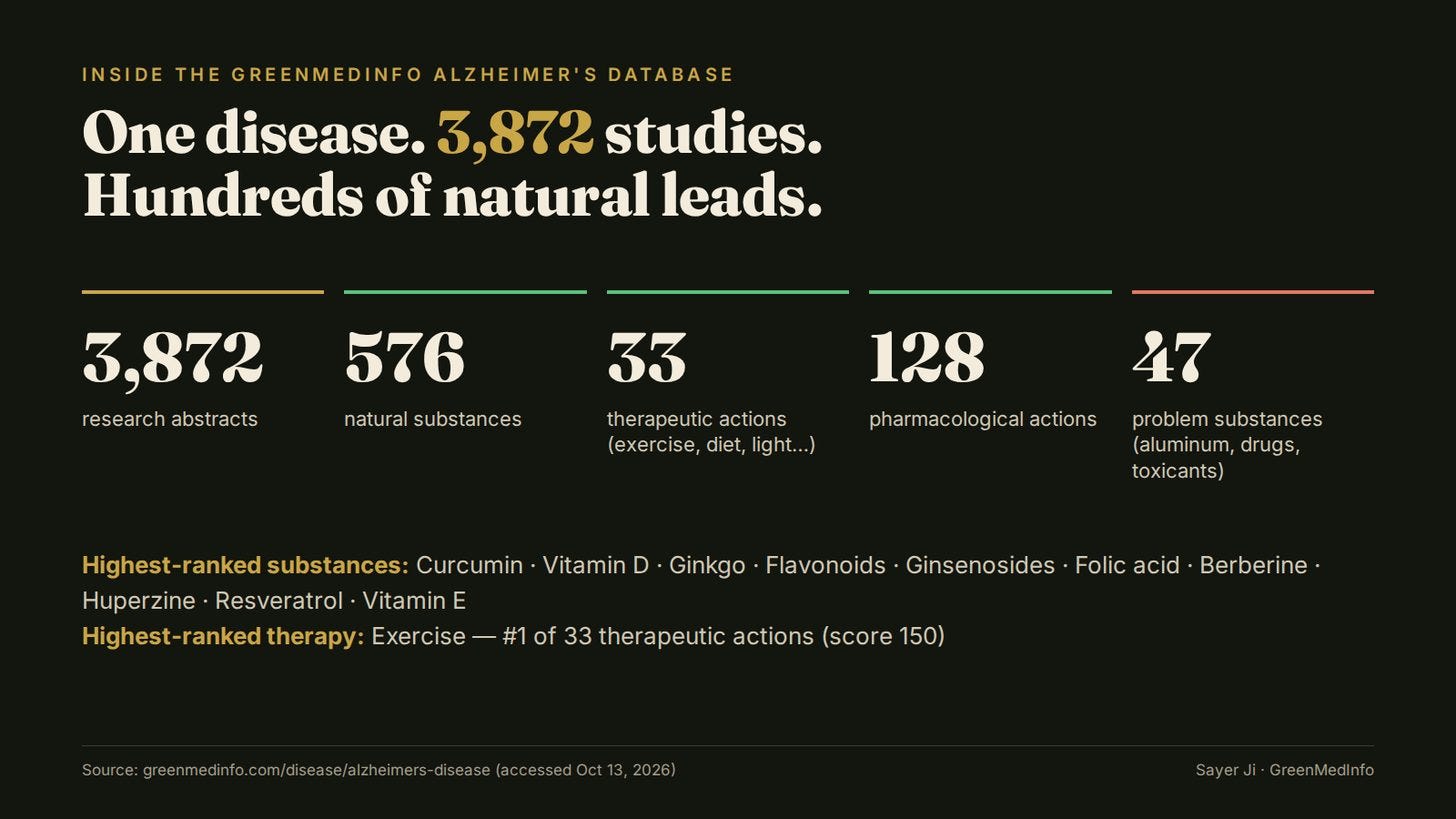
The GreenMedInfo Alzheimer’s Disease page is one of the largest disease files in our database. As of this writing it indexes 3,872 research abstracts, 576 natural substances, 33 therapeutic actions (exercise, diet, light, sound, touch), 128 pharmacological actions, 47 problem substances, and 206 articles (GreenMedInfo).
A few patterns jump out the moment you sort the data.
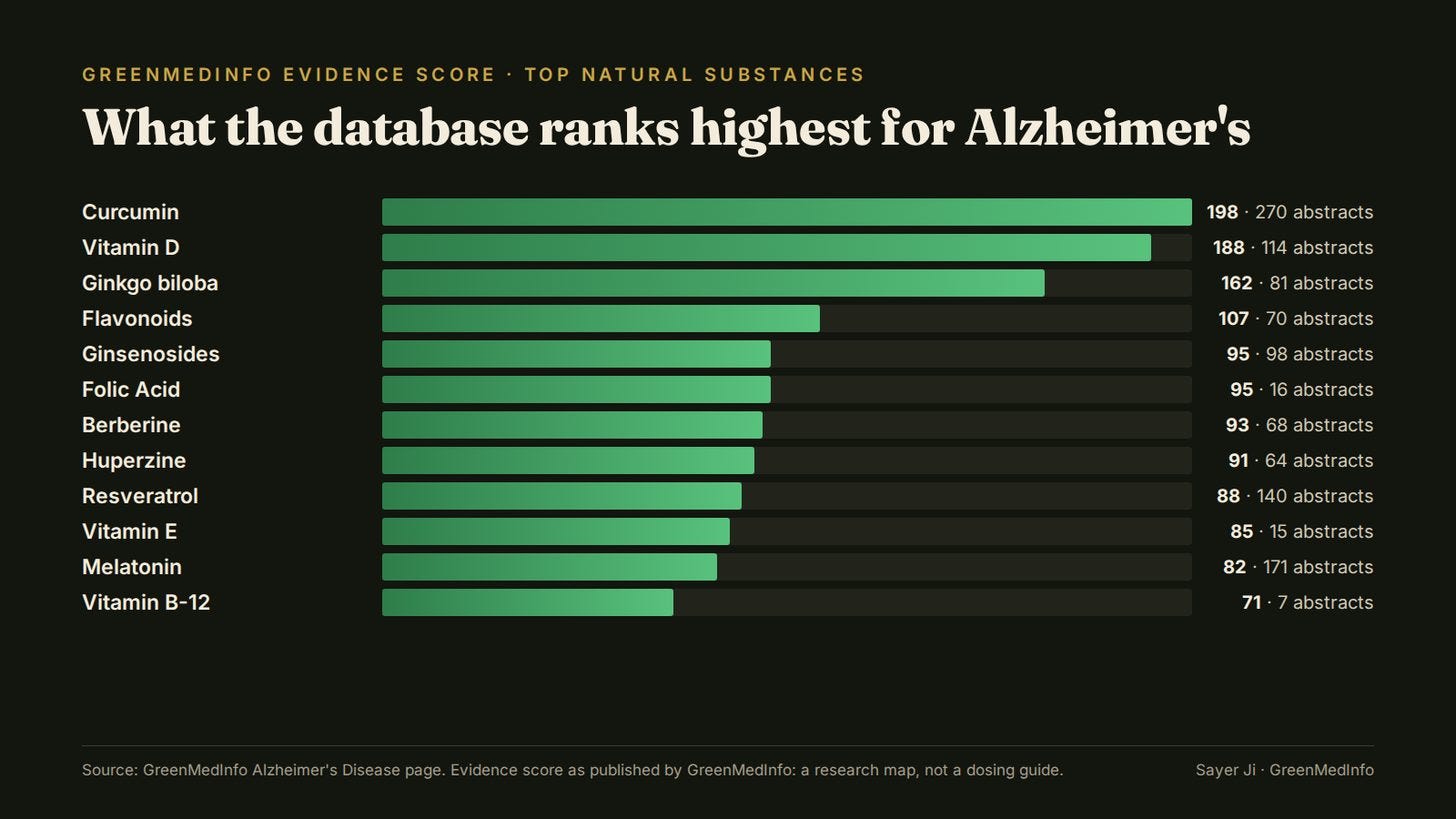
The top-ranked substances are foods, nutrients and ancient medicinal plants. Curcumin (from turmeric) leads with 270 abstracts, followed by vitamin D, ginkgo biloba, flavonoids, ginsenosides (from ginseng), folic acid, berberine, huperzine, resveratrol, vitamin E and melatonin (GreenMedInfo).
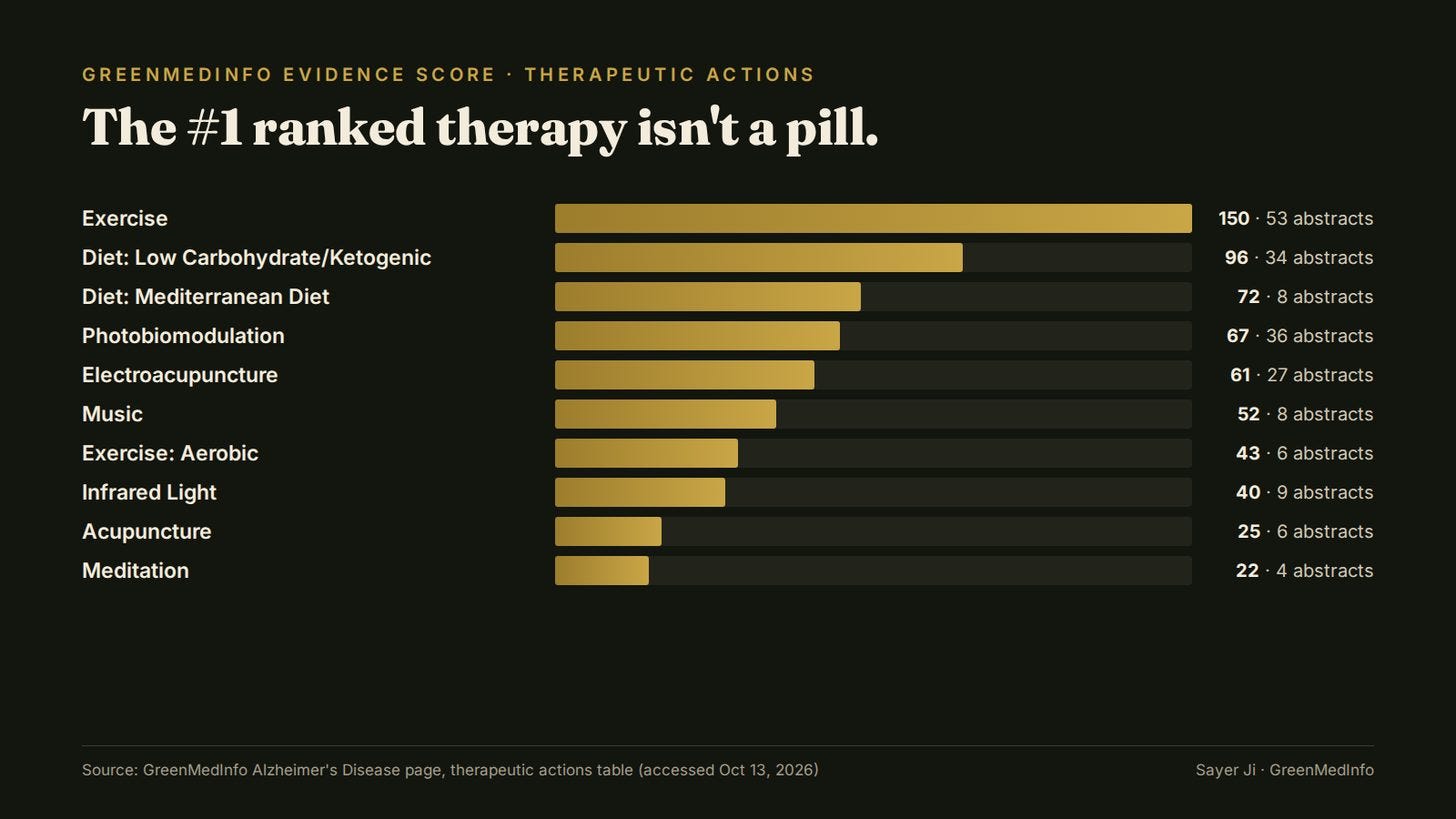
The top-ranked therapy is not a substance at all. Among the 33 therapeutic actions, exercise ranks first, followed by low-carbohydrate/ketogenic diets, the Mediterranean diet, photobiomodulation (red and near-infrared light), electroacupuncture and music (GreenMedInfo).
The mechanisms converge. The most-studied pharmacological actions are not “amyloid removal.” They are neuroprotection (2,055 abstracts), antioxidant activity (507), anti-inflammatory activity (480), anti-apoptosis — preventing cell death (177), and the dampening of inflammatory messengers like TNF-alpha, IL-1 beta and IL-6, NF-kappaB inhibition and Nrf2 activation (GreenMedInfo). In other words, the literature keeps describing a brain that is inflamed, oxidatively stressed, energy-starved and under-defended — not one that simply has too much of one sticky protein.
And the database tracks what harms. Of the 47 problem substances, aluminum compounds rank highest. Lead, glyphosate, micro- and nanoplastics, benzodiazepines, proton-pump inhibitors, artificially sweetened and sugar-sweetened beverages also appear. Notably, two of the most-prescribed Alzheimer’s drugs, donepezil (Aricept) and memantine, are themselves indexed under problem substances — a reflection of research on their limits and adverse effects (GreenMedInfo).
Part II: The Philosophy — Why We Read the Evidence Differently
1. Regeneration is the default state
In 2012 I wrote that so-called “incurable” neurodegenerative conditions such as Alzheimer’s can be slowed, if not partially reversed — because “regeneration, after all, is the default state of the human body” (GreenMedInfo). That sentence was considered heretical then. Today, adult neurogenesis is textbook science, and controlled trials — some described below — show measurable changes in brain volume and function from food, nutrients and movement.
2. The plaque is the smoke, not the fire
For three decades, nearly all Alzheimer’s drug development was built on the amyloid hypothesis: sticky beta-amyloid plaques cause the disease, so remove the plaques and you cure the disease. The results speak for themselves.
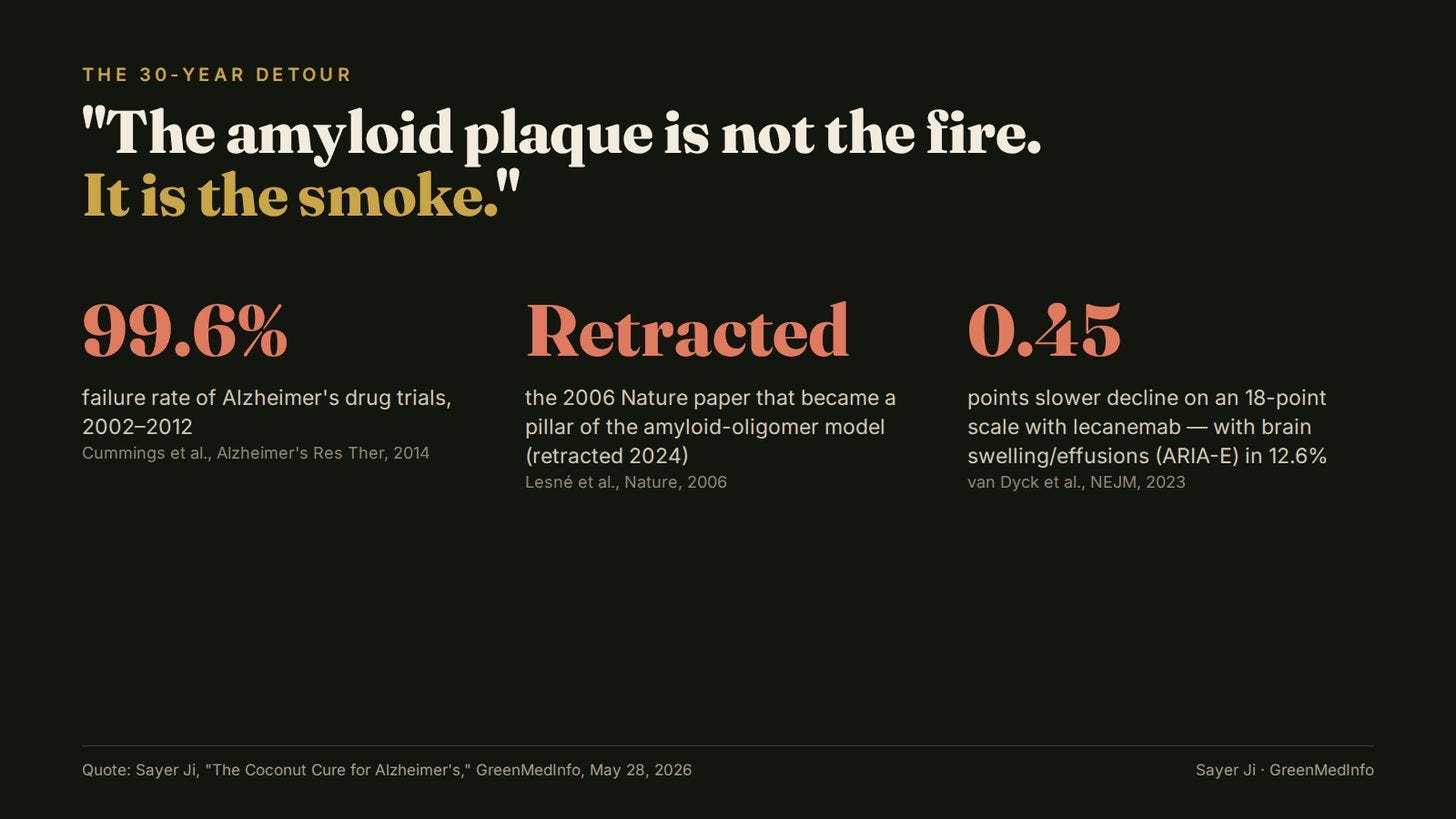
Between 2002 and 2012, Alzheimer’s drug candidates had a 99.6% failure rate (Cummings et al., Alzheimer’s Research & Therapy, 2014).
The 2006 Nature paper that became one of the most-cited supports for the toxic amyloid-oligomer model is now formally a retracted publication (Lesné et al., Nature, 2006 — retracted).
Lecanemab, the flagship anti-amyloid antibody, removed amyloid dramatically yet slowed decline by only 0.45 points on an 18-point scale over 18 months — while causing brain swelling or effusions (ARIA-E) in 12.6% of recipients (van Dyck et al., NEJM, 2023).
As I put it earlier this year: “The amyloid plaque is not the fire. It is the smoke. The fire is metabolic — a slow starvation of neurons cut off from their fuel by insulin signaling that the modern diet, environmental toxic load, and chronic inflammation have systematically corrupted” (GreenMedInfo).
3. Alzheimer’s as “type 3 diabetes”
The metabolic view has deep roots. Brown University neuropathologist Dr. Suzanne de la Monte documented brain insulin resistance and insulin deficiency in Alzheimer’s and framed the condition as “type 3 diabetes” (de la Monte & Wands, J Diabetes Sci Technol, 2008). If neurons are starving for fuel, then one of the most rational interventions is to restore their energy supply — which is exactly what ketones, low-glycemic eating and exercise do.
4. A roof with 36 holes
Dr. Dale Bredesen’s analogy is the best summary of why single-target drugs keep failing: imagine a roof with 36 holes. A drug that patches one hole perfectly still leaves 35 leaks (GreenMedInfo). His first report on a personalized, multi-target program described subjective or objective cognitive improvement in 9 of 10 patients within 3–6 months (Bredesen, Aging, 2014). Small and uncontrolled — but the principle has since been tested in randomized trials, as you’ll see in Approach #3.
5. The calcified gland and the sleeping brain
I have also proposed that pineal gland calcification — a “benign” finding in most adult brain scans — may be a convergent mechanism linking melatonin loss, disrupted sleep, impaired brain waste clearance and amyloid accumulation (GreenMedInfo; GreenMedInfo hypothesis paper). This is a hypothesis, clearly labeled as such, and it informs Approach #9.
6. The self is not erased
Finally, there is something the disease model rarely admits: the person may still be in there. A 2026 case report described an 80-year-old woman with advanced Alzheimer’s who, roughly 19 hours after a single high dose of psilocybin-containing mushrooms, began speaking spontaneously about her life, with weeks of improved continence, mobility and social engagement (Lago et al., Frontiers in Neuroscience, 2026). The authors are explicit that this “does not imply disease reversal” — and so am I (GreenMedInfo). But it suggests that residual capacity may persist far longer than we assumed. That changes how we should treat every patient: as someone still reachable.
The GreenMedInfo lens, in one sentence: treat the brain as a living, self-repairing system that has been overloaded and under-fed — remove what injures it, supply what it lacks, and let regeneration do the rest.
Part III: The 10 Most Powerful Evidence-Based Approaches
I chose these ten by combining two filters: how strongly each ranks in the GreenMedInfo database, and — more importantly — whether it has been tested in humans, ideally in randomized controlled trials. Each section has a plain-language summary first, then a technical callout with the numbers.
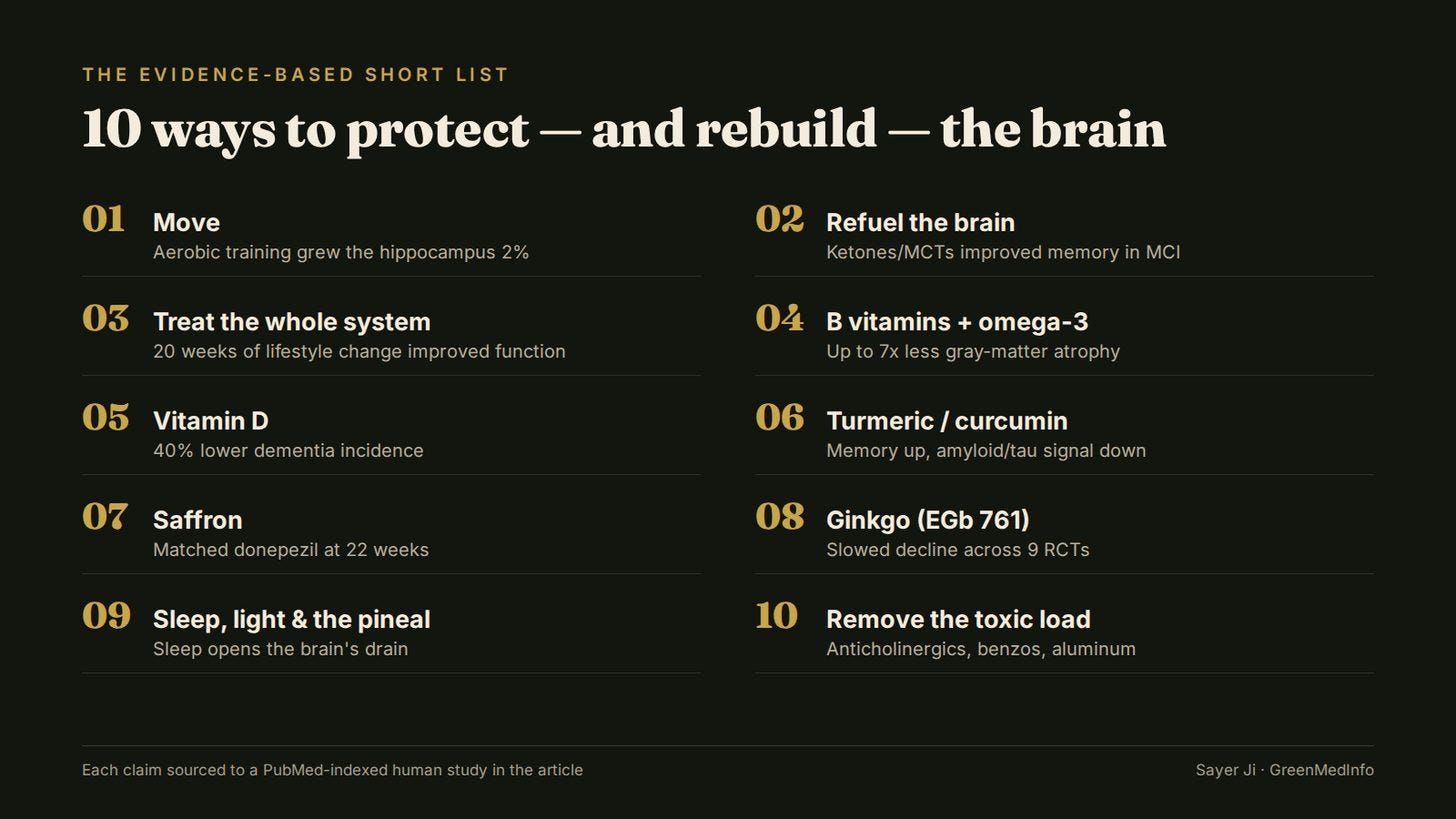
1. Move — the brain’s most potent “drug”

If exercise came in a capsule, it would be the best-selling brain drug in history. In a randomized trial, a year of brisk walking literally grew the memory center of the brain in older adults. Across dozens of trials, moderate exercise improves thinking in people over 50 — whether their cognition starts out normal or impaired. It ranks first among the therapeutic actions in our Alzheimer’s file (GreenMedInfo: Exercise).
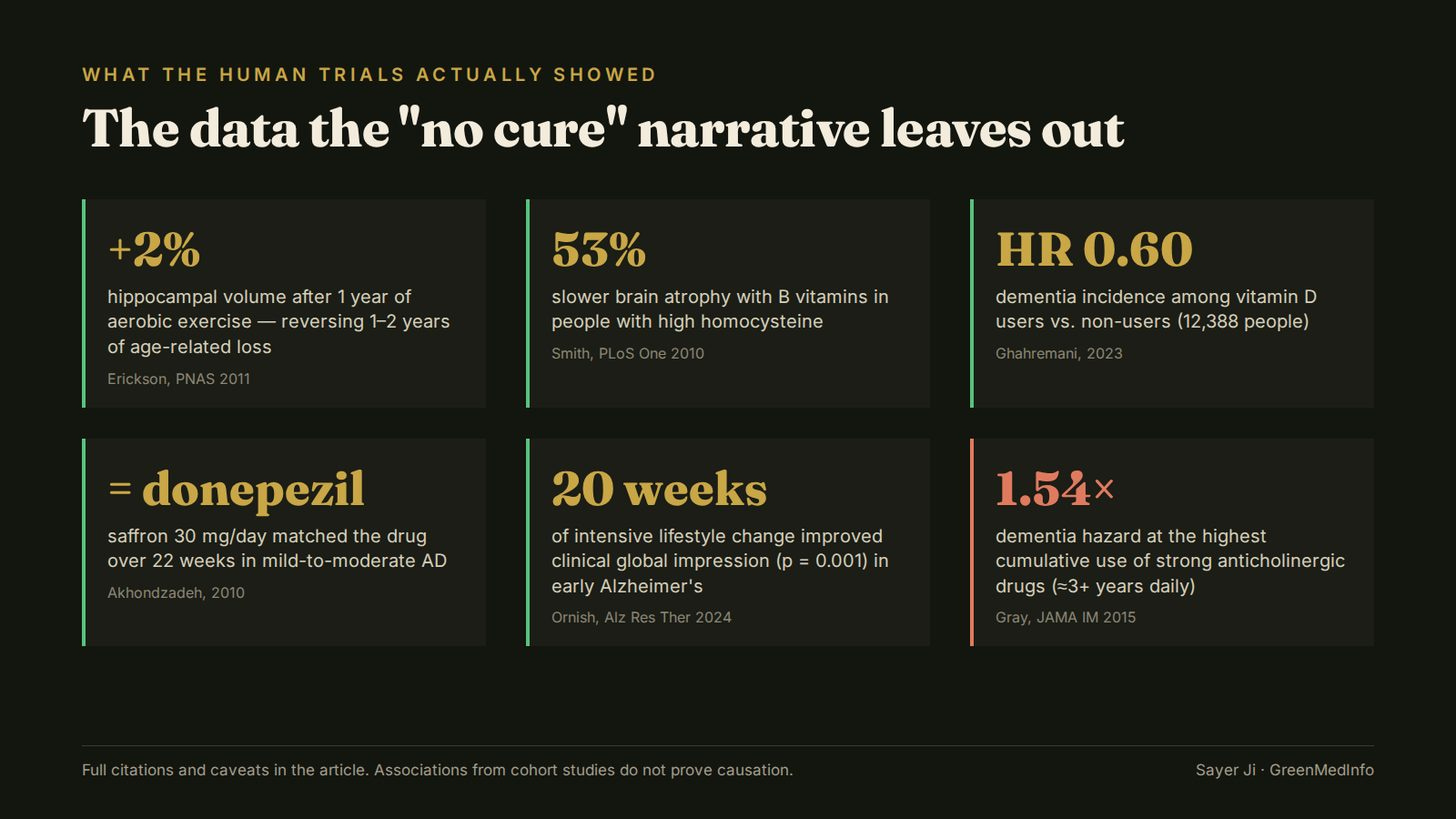
The evidence: In a randomized controlled trial of 120 older adults, aerobic training increased anterior hippocampal volume by 2%, “effectively reversing age-related loss in volume by 1 to 2 y,” and improved spatial memory (Erickson et al., PNAS, 2011). A meta-analysis of 39 RCTs in adults over 50 found exercise improved cognitive function (standardized effect 0.29; 95% CI 0.17–0.41), with benefits linked to 45–60 minute sessions of at least moderate intensity, independent of baseline cognitive status (Northey et al., Br J Sports Med, 2018).
How to apply it: Aim for 45–60 minutes of moderate activity on most days — brisk walking, cycling, swimming, dancing — plus two sessions of resistance training per week. Walking with others adds social connection, itself a Lancet Commission risk factor.
2. Refuel the starving brain — ketones, MCTs and low-glycemic eating
The Alzheimer’s brain struggles to burn glucose, often years before symptoms. But neurons have a backup fuel: ketones, which the liver makes from fat and which enter brain cells without needing insulin. Medium-chain triglycerides (MCTs) — about two-thirds of coconut oil by weight — are converted into ketones within hours. Low-carbohydrate/ketogenic diets rank #2 among therapeutic actions in our file, and the Mediterranean diet ranks #3 (GreenMedInfo: Ketogenic; GreenMedInfo: Mediterranean Diet).
The evidence: In 20 adults with Alzheimer’s or mild cognitive impairment (MCI), a single MCT drink raised blood beta-hydroxybutyrate within 90 minutes (P=0.007), and “higher ketone values were associated with greater improvement in paragraph recall” (P=0.02); benefits on the ADAS-cog were seen in APOE4 non-carriers (Reger et al., Neurobiol Aging, 2004). In a 6-month randomized trial in MCI, a ketogenic MCT drink (15 g twice daily; n=39 vs 44 placebo) significantly improved free and cued recall, verbal fluency, naming and Trail-Making errors versus placebo (Fortier et al., Alzheimer’s & Dementia, 2021). Note: this trial was partly industry-supported (Nestlé Health Science).
How to apply it: Cut refined sugar and flour first. Build meals around vegetables, olive oil, fish, nuts and legumes. If adding coconut or MCT oil, start with a teaspoon per meal and increase gradually as tolerated to avoid digestive upset (GreenMedInfo).
3. Treat the whole system — multidomain lifestyle programs
This is the “36 holes” principle put to the test. When researchers combine diet, exercise, cognitive training, stress reduction, social support and cardiovascular care into one program, the results are consistent across three major randomized trials — including the first to report improvement in people already diagnosed with early Alzheimer’s.
The evidence: FINGER randomized 1,260 at-risk Finns aged 60–77 to a two-year multidomain program or general health advice; the intervention improved or maintained cognition (between-group difference 0.022 SD/year, p=0.030) (Ngandu et al., Lancet, 2015). US POINTER (2,111 participants) found a structured, higher-intensity lifestyle program improved global cognition more than a self-guided one (by 0.029 SD/year, P=.008), with consistent benefit in APOE4 carriers (Baker et al., JAMA, 2025). In the first randomized trial of intensive lifestyle change in people with MCI or early dementia due to Alzheimer’s (n=51), 20 weeks of a plant-based diet, exercise, stress management and group support produced significant between-group differences on CGIC (p=0.001), CDR-SB (p=0.032) and CDR Global (p=0.037); the plasma Aβ42/40 ratio rose in the intervention group and fell in controls (p=0.003) (Ornish et al., Alzheimer’s Research & Therapy, 2024).
How to apply it: Don’t pick one thing. Stack them. Structure matters: in POINTER, the guided program beat the do-it-yourself version. Find a coach, a group, or a practitioner who will hold you to a plan.
4. B vitamins + omega-3 — slowing the shrinking brain
High homocysteine, an amino acid that rises when B vitamins run low, is linked to faster brain shrinkage. The Oxford VITACOG trial showed that three inexpensive B vitamins slowed that shrinkage — dramatically so in the regions Alzheimer’s attacks first. A follow-up analysis revealed something crucial: the B vitamins only worked when people also had good omega-3 levels. Folic acid and B12 both rank in the top tier of our database (GreenMedInfo: Folic Acid; Vitamin B12; Omega-3).
The evidence: In 271 adults over 70 with MCI, folic acid 0.8 mg, B12 0.5 mg and B6 20 mg daily for 24 months reduced the rate of whole-brain atrophy (0.76%/year vs 1.08%/year on placebo, P=0.001); in those with homocysteine above 13 µmol/L, atrophy was 53% lower (Smith et al., PLoS One, 2010). Imaging analysis showed B vitamins reduced atrophy in Alzheimer’s-vulnerable gray-matter regions “by as much as seven fold,” with benefit confined to those with above-median homocysteine (Douaud et al., PNAS, 2013). When omega-3 levels were low, B vitamins had no effect on cognitive decline; with good omega-3 status, 33% of B-vitamin recipients had CDR scores above zero versus 59% on placebo, with DHA the stronger contributor (Oulhaj et al., J Alzheimer’s Dis, 2016). Disclosure: an author holds patents on B-vitamin use in Alzheimer’s/MCI.
How to apply it: Ask for a homocysteine test. Eat leafy greens, legumes, eggs and wild fish; consider methylated B vitamins and a quality DHA-rich fish or algal oil, ideally with professional guidance on dose.
5. Vitamin D — the sunshine hormone and the brain
Vitamin D ranks #2 among all 576 substances in our Alzheimer’s file (GreenMedInfo: Vitamin D). In one of the largest analyses to date, older adults who took vitamin D had 40% fewer new dementia diagnoses over the follow-up period than those who didn’t.
The evidence: Among 12,388 participants in the National Alzheimer’s Coordinating Center dataset, vitamin D exposure was associated with longer dementia-free survival and lower dementia incidence (hazard ratio 0.60; 95% CI 0.55–0.65) (Ghahremani et al., Alzheimer’s & Dementia: DADM, 2023). This is an observational cohort, which shows association, not proof of causation.
How to apply it: Test your 25(OH)D level. Get sensible midday sun when possible; supplement D3 (often with K2) when levels are low.
6. Turmeric and curcumin — the database’s #1 substance
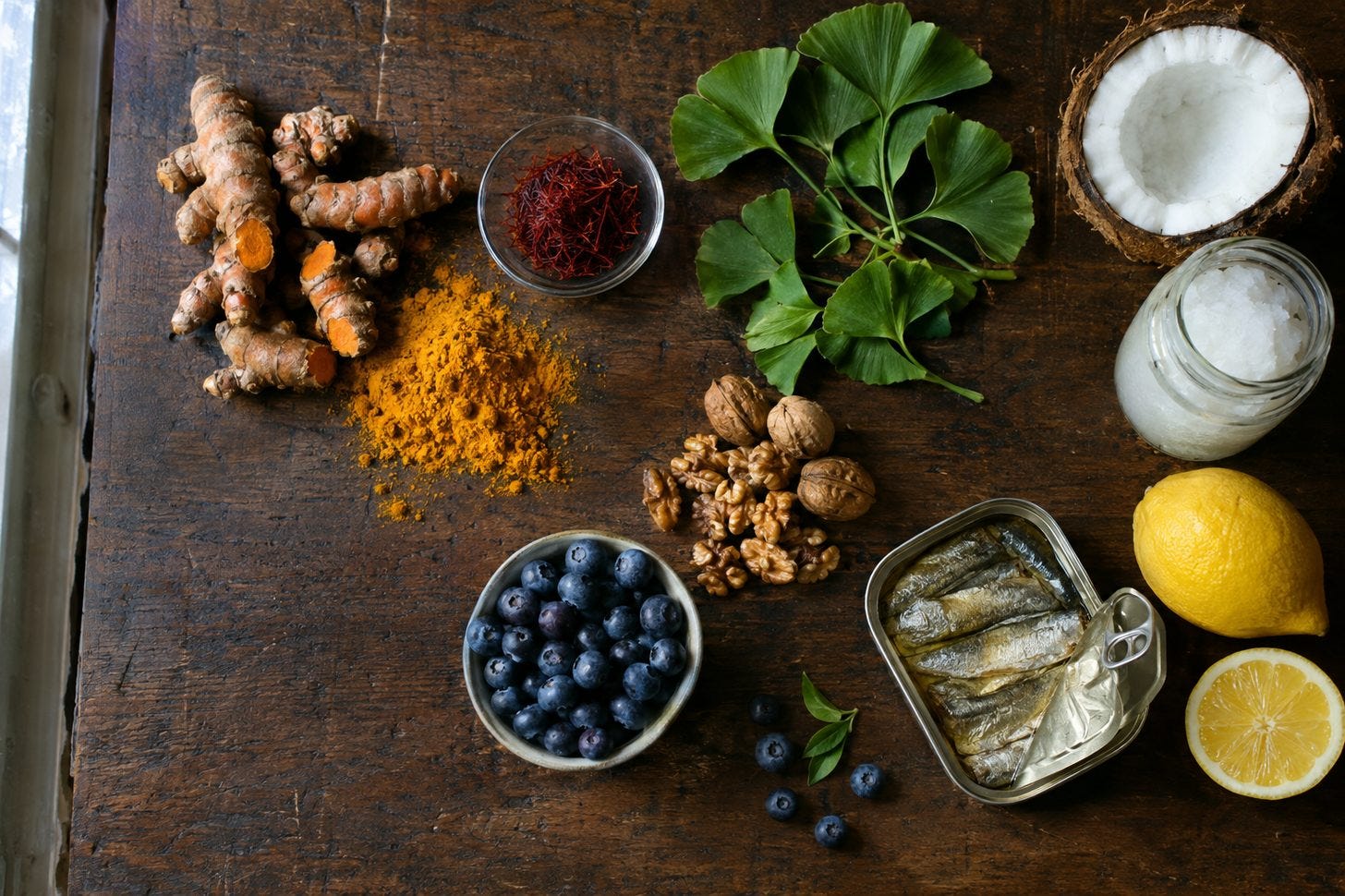
Curcumin leads the entire GreenMedInfo Alzheimer’s file, with 270 abstracts and the highest evidence score of any substance (GreenMedInfo: Curcumin). It is notable that India — where turmeric has been eaten daily for thousands of years — has long been noted for low Alzheimer’s prevalence (GreenMedInfo). The best human data come from a UCLA trial that used a highly absorbable curcumin and measured both memory and brain scans.
The evidence: In a double-blind RCT, 40 non-demented adults aged 51–84 took bioavailable curcumin (Theracurmin, 90 mg twice daily) or placebo for 18 months. Curcumin improved long-term memory retrieval (effect size 0.63, p=0.002), visual memory and attention; on FDDNP-PET, amyloid/tau signal decreased in the amygdala and was stable in the hypothalamus, where it rose with placebo (between-group p=0.02) (Small et al., Am J Geriatr Psychiatry, 2018). In a Japanese case series, three Alzheimer’s patients given 764 mg/day turmeric (100 mg curcumin) for 12 weeks showed marked reductions in agitation, anxiety and apathy, and in caregiver burden (Hishikawa et al., Ayu, 2012).
How to apply it: Cook with turmeric generously, with black pepper and fat. For therapeutic use, choose a bioavailable formulation. Use caution with blood thinners and gallbladder disease.
7. Saffron — the spice that matched the drug
Saffron, the crimson threads of the crocus flower, has been tested head-to-head against donepezil (Aricept) — and performed as well. It also outperformed placebo in a separate trial. These are small trials and need replication, but the comparison is striking (GreenMedInfo: Saffron).
The evidence: In a 16-week double-blind RCT in 46 patients with mild-to-moderate Alzheimer’s, saffron 30 mg/day produced significantly better cognitive outcomes than placebo (ADAS-cog P=0.04; CDR-SB P=0.04) (Akhondzadeh et al., J Clin Pharm Ther, 2010). In a 22-week double-blind trial in 54 patients, saffron 30 mg/day was “effective similar to donepezil” 10 mg/day (Akhondzadeh et al., Psychopharmacology, 2010).
How to apply it: The trials used 15 mg twice daily of standardized extract. Saffron in cooking is wonderful, but therapeutic doses typically require a quality supplement.
8. Ginkgo biloba — the oldest tree, the most-tested extract
Ginkgo is the #3 substance in our Alzheimer’s file (GreenMedInfo: Ginkgo). Its standardized extract, EGb 761, has been tested in thousands of patients. It appears best at stabilizing people who already have cognitive impairment — especially those with mood or behavioral symptoms — rather than preventing dementia in healthy elders.
The evidence: A meta-analysis of 9 RCTs (2,561 patients, 22–26 weeks) found EGb 761 at 240 mg/day stabilized or slowed decline in cognition, daily function, behavior and global impression, especially in patients with neuropsychiatric symptoms (Tan et al., J Alzheimer’s Dis, 2015). Honest caveat: in the GEM prevention trial of 3,069 cognitively normal or MCI adults aged 75+, ginkgo did not reduce the incidence of dementia (DeKosky et al., JAMA, 2008).
How to apply it: Look for extracts standardized like EGb 761 (240 mg/day in trials). Ginkgo can increase bleeding risk with anticoagulants.
9. Sleep, light and the pineal — let the brain clean itself
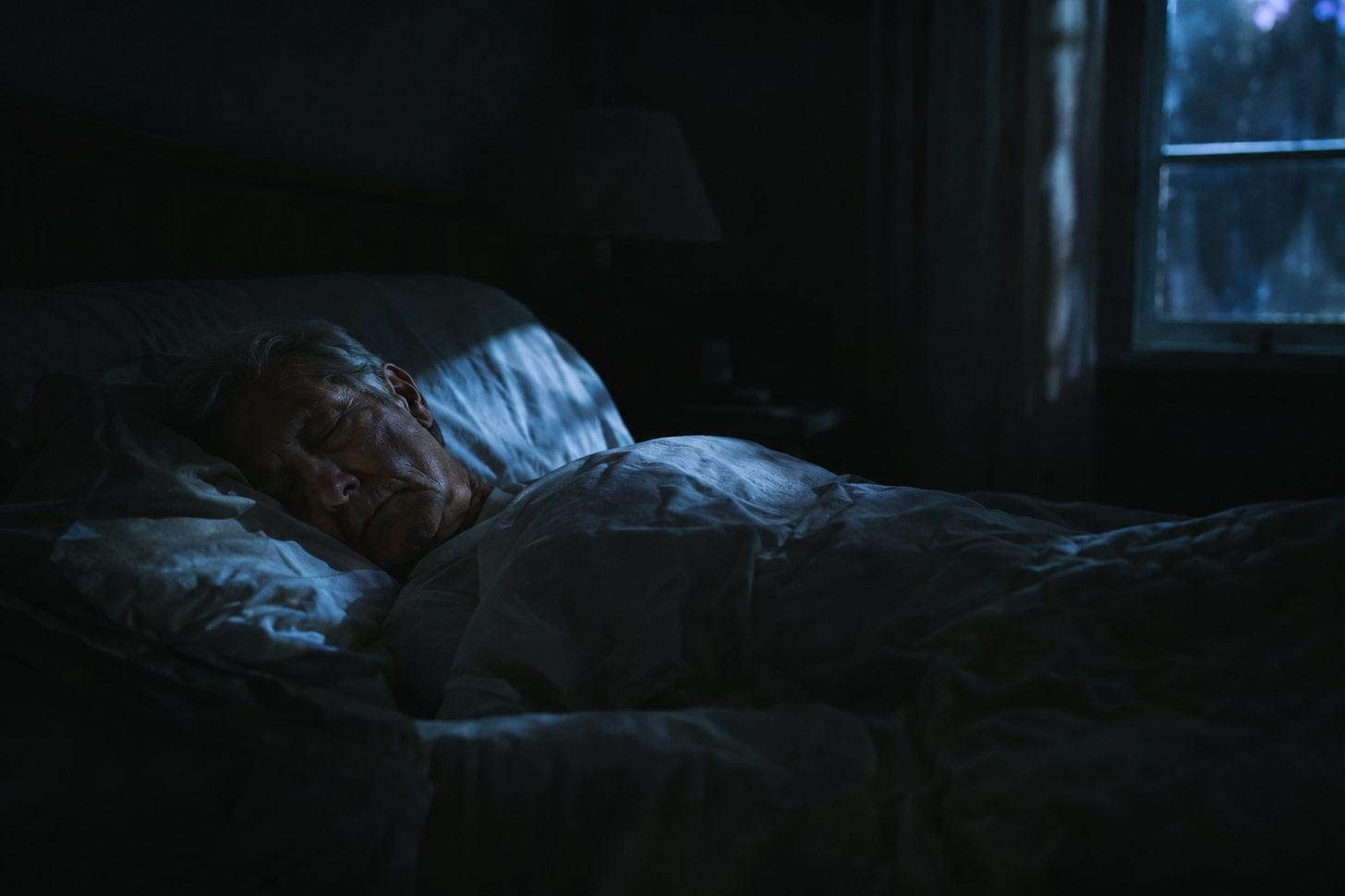
Your brain has a plumbing system, the glymphatic system, that flushes out metabolic waste — including amyloid — and it works mainly while you sleep. Poor sleep means a dirtier brain. Melatonin, the hormone made by the pineal gland, governs this rhythm and has 171 abstracts in our Alzheimer’s file (GreenMedInfo: Melatonin). Light therapy (photobiomodulation) is the #4 ranked therapy, though most of that evidence is still preclinical (GreenMedInfo: Photobiomodulation).
The evidence: In mice, natural sleep was associated with a 60% increase in the brain’s interstitial space, sharply increasing the exchange of cerebrospinal and interstitial fluid that clears waste (Xie et al., Science, 2013). In 279 memory-clinic patients and 37 controls, Alzheimer’s patients had a significantly higher degree of pineal calcification (mean 76.2%) than controls (64.5%; P=0.021) and less uncalcified pineal tissue (Mahlberg et al., Neurobiol Aging, 2008).
How to apply it: Protect 7–8 hours of sleep. Get morning daylight, dim and warm the lights at night, and keep screens out of the bedroom. Screen for sleep apnea. Discuss low-dose melatonin with your practitioner.
10. Remove the toxic load — subtract before you add
Some of the most powerful interventions are things you stop doing. Common medications with “anticholinergic” effects — older antihistamines like diphenhydramine, tricyclic antidepressants and bladder drugs — and benzodiazepine sedatives are associated with significantly higher dementia risk. Aluminum compounds are the top-ranked problem substances in our Alzheimer’s file (GreenMedInfo: Aluminum; Benzodiazepines; Micro/Nanoplastics).
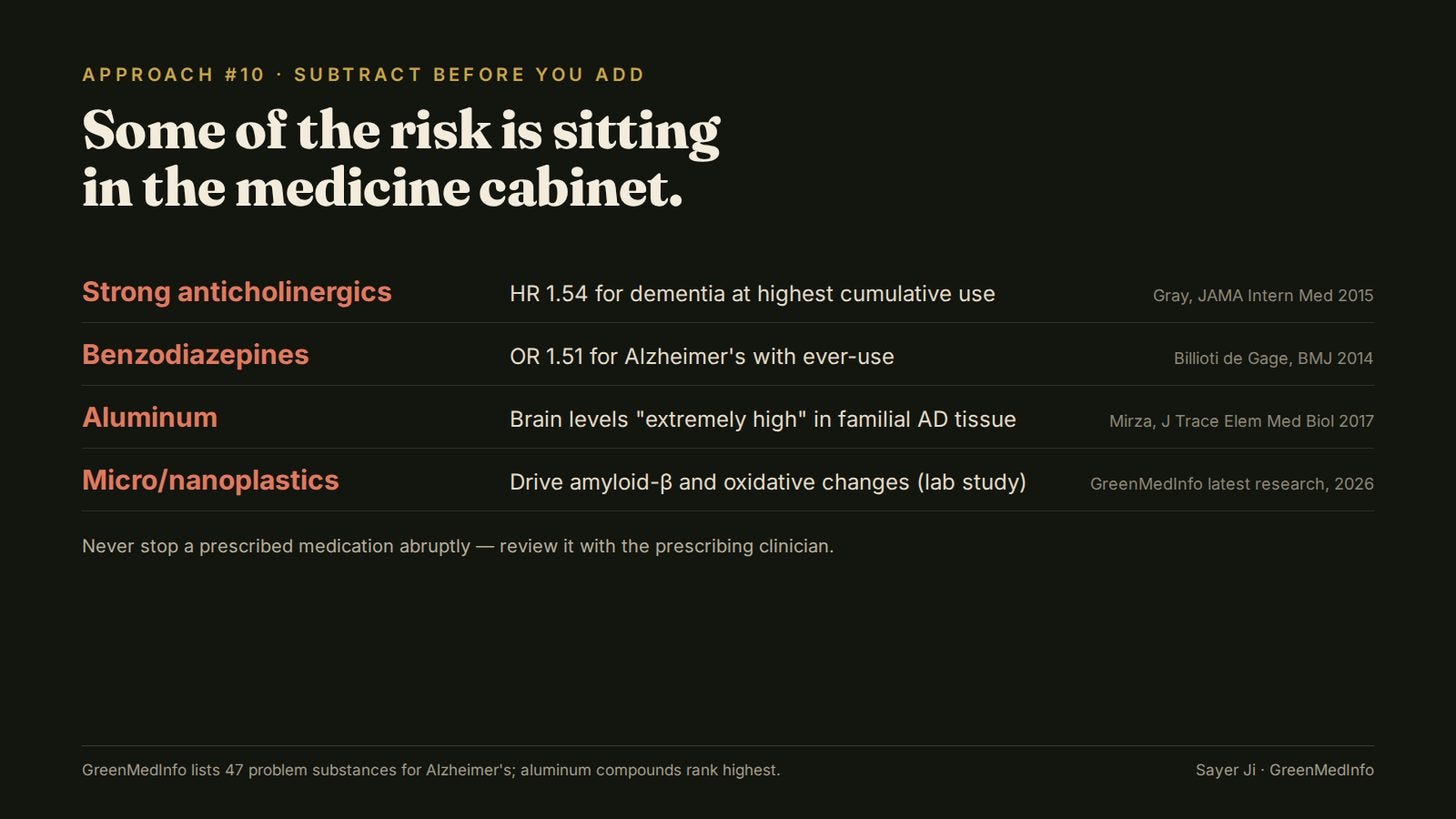
The evidence: In 3,434 adults 65+ followed for a mean of 7.3 years, the highest cumulative use of strong anticholinergics (more than 1,095 total standardized daily doses) carried an adjusted dementia hazard ratio of 1.54 (95% CI 1.21–1.96), with a clear dose-response (Gray et al., JAMA Intern Med, 2015). In a case-control study of 1,796 Alzheimer’s cases and 7,184 controls, benzodiazepine ever-use was associated with an adjusted odds ratio of 1.51 (Billioti de Gage et al., BMJ, 2014). Brain tissue from familial Alzheimer’s cases contained aluminum at concentrations “higher than all previous measurements of brain aluminium except cases of known aluminium-induced encephalopathy” (Mirza et al., J Trace Elem Med Biol, 2017). These are associations and do not by themselves prove causation.
How to apply it: Review every medication with your doctor or pharmacist — never stop one abruptly. Filter your water, cook in stainless steel or cast iron instead of aluminum, store food in glass, and choose organic produce where you can.
Honorable Mentions
Vitamin E: In the VA’s TEAM-AD trial of 613 patients with mild-to-moderate Alzheimer’s, 2,000 IU/day of alpha-tocopherol slowed functional decline by about 19% per year versus placebo — roughly a 6.2-month delay (Dysken et al., JAMA, 2014). High doses should be medically supervised.
Lion’s Mane mushroom: In a small 16-week double-blind trial in 30 adults with MCI, it improved cognitive scores at weeks 8, 12 and 16; benefits faded after stopping (Mori et al., Phytother Res, 2009; GreenMedInfo).
Music, electroacupuncture, meditation and yoga all rank among the top therapeutic actions in our file (GreenMedInfo: Music).
Resveratrol, huperzine, bacopa, EGCG from green tea, sulforaphane from broccoli sprouts and dozens of other compounds appear throughout the 576-substance list, with an evolving mix of preclinical and early human data (GreenMedInfo).
What This Review Is — and Is Not
I want to be precise, because precision is what makes this work defensible.
This is not a claim that any single food or supplement cures Alzheimer’s. The strongest evidence supports combined, whole-system approaches.
The evidence varies in strength. Randomized trials (exercise, multidomain programs, B vitamins, ketogenic MCTs, curcumin, saffron, ginkgo, vitamin E) carry more weight than cohort associations (vitamin D, anticholinergics, benzodiazepines), which carry more weight than case reports and animal studies.
Most of these trials are small and short compared with drug trials — largely because no one can patent turmeric or a walk in the woods. That is a funding problem, not a biology problem.
Work with a qualified practitioner, especially if you take medications, have a diagnosis, or are caring for someone who does.
The Bottom Line
For thirty years, families were told the same thing: there is nothing you can do. The research says something very different. A year of walking can grow the hippocampus. Three B vitamins can slow brain shrinkage. A spoonful of fat can light up a fuel-starved neuron within hours. Twenty weeks of comprehensive lifestyle change can move the needle in people already diagnosed.
The brain was never designed to fail. It was designed to regenerate — when we stop injuring it and start feeding it what it needs.
Explore all 3,872 studies yourself at the GreenMedInfo Alzheimer’s Disease research page.
Consider becoming a paid member of the GreenMedInfo.com community. Without your support, our nearly 20-year project of supporting the world with free access to the science of natural healing would not have survived the constant effort to take these solutions offline. Membership has its benefits. Take a look at the link below, and thank you for your support!

I’m passionate about natural health—and helping people reclaim their vitality and bodily sovereignty. Explore the products I’ve formulated, drawing on the many years of research behind GreenMedInfo.com, my book REGENERATE, and my masterclasses on regeneration.
This article is for educational purposes and is not medical advice. Consult a qualified health professional before changing your diet, supplements or medications.
References
GreenMedInfo. Alzheimer’s Disease research page (accessed Oct 13, 2026). greenmedinfo.com/disease/alzheimers-disease
Livingston G, et al. Dementia prevention, intervention, and care: 2024 report of the Lancet standing Commission. Lancet. 2024;404:572-628. PMID 39096926
Cummings JL, et al. Alzheimer’s disease drug-development pipeline: few candidates, frequent failures. Alzheimers Res Ther. 2014. PMID 25024750
Lesné S, et al. A specific amyloid-beta protein assembly in the brain impairs memory. Nature. 2006 (retracted). PMID 16541076
van Dyck CH, et al. Lecanemab in early Alzheimer’s disease. N Engl J Med. 2023. PMID 36449413
de la Monte SM, Wands JR. Alzheimer’s disease is type 3 diabetes — evidence reviewed. J Diabetes Sci Technol. 2008. PMID 19885299
Bredesen DE. Reversal of cognitive decline: a novel therapeutic program. Aging. 2014. PMID 25324467
Lago M, et al. Transient multidomain functional improvement in advanced Alzheimer’s disease following high-dose psilocybin-containing mushroom administration: a case report. Front Neurosci. 2026. PMID 42292331
Erickson KI, et al. Exercise training increases size of hippocampus and improves memory. PNAS. 2011. PMID 21282661
Northey JM, et al. Exercise interventions for cognitive function in adults older than 50. Br J Sports Med. 2018. PMID 28438770
Reger MA, et al. Effects of beta-hydroxybutyrate on cognition in memory-impaired adults. Neurobiol Aging. 2004. PMID 15123336
Fortier M, et al. A ketogenic drink improves cognition in mild cognitive impairment: results of a 6-month RCT. Alzheimers Dement. 2021. PMID 33103819
Ngandu T, et al. FINGER: a 2 year multidomain intervention… Lancet. 2015. PMID 25771249
Baker LD, et al. Structured vs self-guided multidomain lifestyle interventions: the US POINTER randomized clinical trial. JAMA. 2025. PMID 40720610
Ornish D, et al. Effects of intensive lifestyle changes on the progression of MCI or early dementia due to Alzheimer’s disease. Alzheimers Res Ther. 2024. PMID 38849944
Smith AD, et al. Homocysteine-lowering by B vitamins slows the rate of accelerated brain atrophy in MCI. PLoS One. 2010. PMID 20838622
Douaud G, et al. Preventing Alzheimer’s disease-related gray matter atrophy by B-vitamin treatment. PNAS. 2013. PMID 23690582
Oulhaj A, et al. Omega-3 fatty acid status enhances the prevention of cognitive decline by B vitamins in MCI. J Alzheimers Dis. 2016. PMID 26757190
Ghahremani M, et al. Vitamin D supplementation and incident dementia. Alzheimers Dement (Amst). 2023. PMID 36874594
Small GW, et al. Memory and brain amyloid and tau effects of a bioavailable form of curcumin. Am J Geriatr Psychiatry. 2018. PMID 29246725
Hishikawa N, et al. Effects of turmeric on Alzheimer’s disease with behavioral and psychological symptoms of dementia. Ayu. 2012. PMID 23723666
Akhondzadeh S, et al. Saffron in mild to moderate Alzheimer’s disease: a 16-week placebo-controlled trial. J Clin Pharm Ther. 2010. PMID 20831681
Akhondzadeh S, et al. A 22-week randomized double-blind trial of Crocus sativus vs donepezil. Psychopharmacology. 2010. PMID 19838862
Tan MS, et al. Efficacy and adverse effects of ginkgo biloba for cognitive impairment and dementia: a meta-analysis. J Alzheimers Dis. 2015. PMID 25114079
DeKosky ST, et al. Ginkgo biloba for prevention of dementia (GEM). JAMA. 2008. PMID 19017911
Xie L, et al. Sleep drives metabolite clearance from the adult brain. Science. 2013. PMID 24136970
Mahlberg R, et al. Pineal calcification in Alzheimer’s disease: an in vivo study using computed tomography. Neurobiol Aging. 2008. PMID 17097768
Gray SL, et al. Cumulative use of strong anticholinergics and incident dementia. JAMA Intern Med. 2015. PMID 25621434
Billioti de Gage S, et al. Benzodiazepine use and risk of Alzheimer’s disease: case-control study. BMJ. 2014. PMID 25208536
Mirza A, et al. Aluminium in brain tissue in familial Alzheimer’s disease. J Trace Elem Med Biol. 2017. PMID 28159219
Dysken MW, et al. Effect of vitamin E and memantine on functional decline in Alzheimer disease: TEAM-AD. JAMA. 2014. PMID 24381967
Mori K, et al. Improving effects of Hericium erinaceus on mild cognitive impairment. Phytother Res. 2009. PMID 18844328
SAYER JI..Off topic...do you have anything re: ARTERIAL STENOSIS and relaxing the arteries of the Heart...x2 narrowing in the LAD , x1 in the Cflx ????? thanks...LOVE your works